HAZARDOUS CHEMICAL
WASTE DISPOSAL FORM
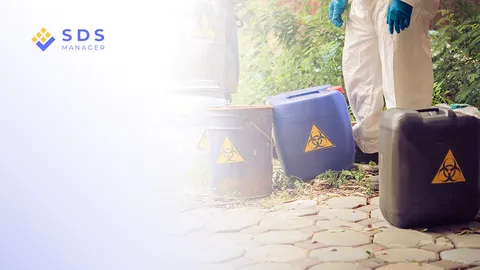
A Hazardous Chemical Waste Disposal Form is a standardized document used to record detailed
information about hazardous waste before it is collected and disposed of by authorized personnel or
waste management contractors.
It ensures that everyone involved, from lab personnel to waste handlers, has accurate, consistent
information about the waste being managed.
This form is designed for any organization or role involved in generating, handling, or managing
hazardous chemical waste, including:
01
HAZARDOUS CHEMICAL WASTE DISPOSAL FORM
Chemical composition and concentration
Hazard classification (e.g., flammable, toxic, corrosive)
Physical state and properties
Container details and quantities
Storage and pickup location
Handling and safety precautions
This form typically includes:
Regulatory compliance
Safety assurance
Environmental protection
Tracability and accountability
Efficient waste management
Using a hazardous waste disposal form is essential for several reasons:
Note: The templates/guides in our Content Library were created by the SDS Manager Team to help you manage site
operations effectively. They are provided as reference tools and should be tailored to match your specific project
needs, company policies, and industry standards. SDS Manager does not guarantee that these templates meet
legal, regulatory, or contractual requirements. Users are responsible for reviewing and adapting each template to
ensure compliance with their operational and legal obligations.
01
Laboratories
Industrial and manufacturing facilities
Environmental Health and Safety (EHS) teams
Healthcare and institutional facilities
Waste management and disposal contractors
That’s the end of the preview
Download the PDF to read the full report.
Free PDF
Hazardous Chemical Waste Disposal Form
A Hazardous Chemical Waste Disposal Form acts as a formal record that captures essential information about the waste, enabling safe collection, transportation, treatment, and disposal.
Manual Handling Risk Assessment Template
This Manual Handling Risk Assessment Template helps organisations systematically identify hazardous manual handling tasks, assess the level of risk, and implement effective control measures to protect workers and remain compliant with regulations.View resource →
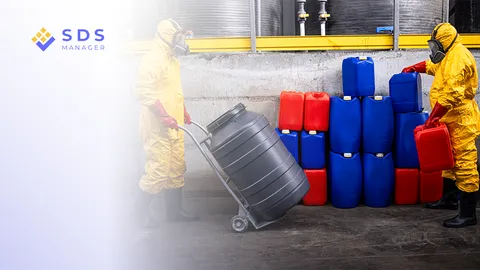
Chemical Spill Response Procedure and Safety Guidelines
The Chemical Spill Procedures and Safety Guidelines outline what a chemical spill procedure is, why it is important, who it is intended for, and the step-by-step actions required to effectively manage both minor and major spills.View resource →
Chemical Hygiene Plan Template - Editable PDF
This easy-to-use Chemical Hygiene Plan (CHP) template provides clear guidance, practical procedures, and compliance-ready content to help you build a safe lab environment. Use this free CHP template to establish consistent chemical safety practices.View resource →
Chemical Inventory Template - Editable PDF
Maintain a safe and compliant workplace with this detailed Chemical Inventory Template. Record and monitor all hazardous and non-hazardous chemicals, including their quantities, CAS numbers, manufacturers, and GHS Hazard Classifications.View resource →