In today's fast-paced world, the manufacturing and healthcare sectors are constantly evolving, driven by innovation, technological advancements, and a renewed focus on sustainability. Amidst these changes, chemical safety remains a paramount concern, essential for protecting workers, patients, and the environment. As we move through 2025, several key trends are emerging that will shape how these industries manage chemical hazards.
The Ever-Evolving GHS and SDS Landscape
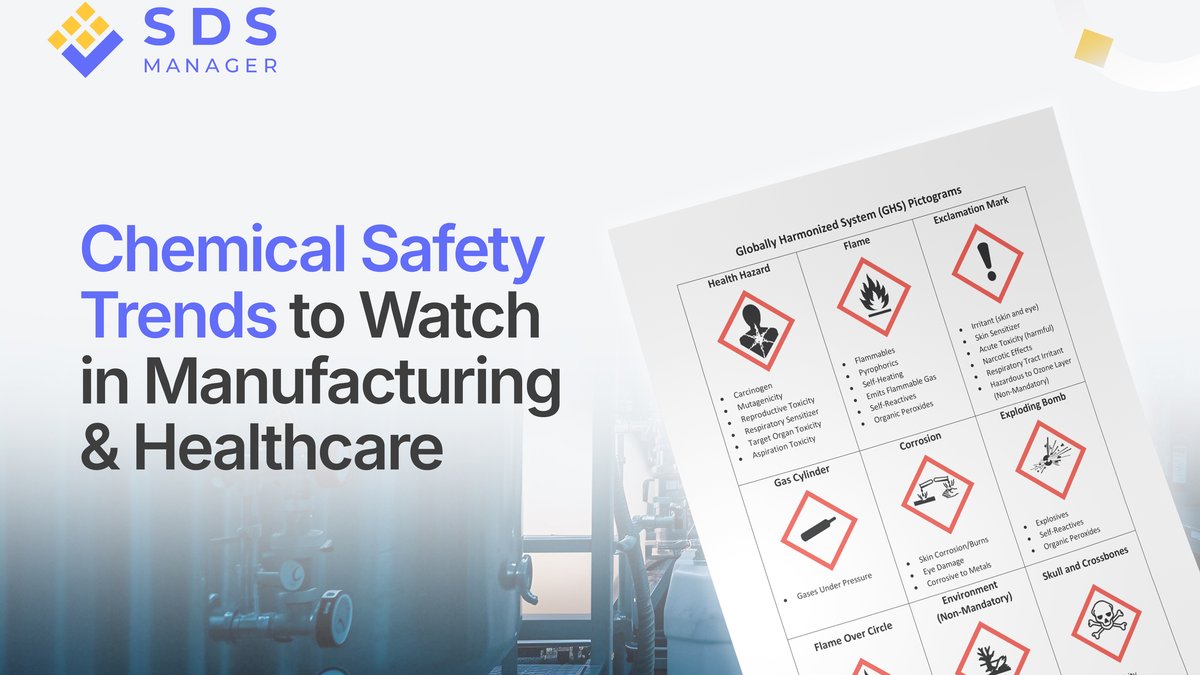
The Globally Harmonized System (GHS) is the foundation of chemical hazard communication in Australia and worldwide. Since completing its transition to GHS 7 on 1 January 2023, Australia now operates under a single mandatory standard for classifying, labelling, and preparing SDS for all hazardous chemicals, and in 2025, full compliance with GHS 7 remains the benchmark for every manufacturer, importer, and workplace across the country.
For Australian manufacturers and importers specifically, GHS 7 introduced important changes, including new and revised precautionary statements, updated hazard classifications for aerosols and flammable gases (now split into subcategories 1A and 1B), and clarified requirements for Category 2B eye irritants. All SDS must follow the mandatory 16-section format as set out in Safe Work Australia's Code of Practice for the Preparation of Safety Data Sheets for Hazardous Chemicals. Overseas SDS are not automatically compliant; they must be reviewed and updated to include Australian manufacturer or importer contact details and an Australian emergency contact number before use in Australian workplaces.
In healthcare, where a vast array of chemicals is used daily, GHS 7 compliance is equally critical. Healthcare facilities must ensure their chemical inventories are linked to current, compliant SDSs and that staff are trained on interpreting the updated hazard information — enabling healthcare professionals to make fast, informed decisions for both patient care and their own personal safety.
Looking ahead, Australian businesses should also be preparing for the Workplace Exposure Limits (WEL) transition. From 1 December 2026, the WEL list will replace the current Workplace Exposure Standards (WES) list under the Model WHS Regulations. This change directly affects SDS Section 8 (Exposure Controls / Personal Protection) — businesses should begin reviewing their SDS libraries now to ensure Section 8 data will align with the new WEL list before the deadline. This is particularly relevant for manufacturing and healthcare facilities that handle airborne chemicals regularly. The best way to manage this proactively is through chemical compliance software that flags when SDS content needs to be updated against new regulatory standards.
The Rise of Digitalization in Chemical Management
The days of overflowing binders of paper SDS are steadily fading. Digitalisation is transforming chemical safety management across both manufacturing and healthcare in Australia, and it is no longer simply a matter of convenience. Under the Model WHS Regulations, PCBUs are legally required to ensure SDS are readily accessible to workers at the point of use and during emergencies. For organisations managing chemicals across multiple sites, shifts, or remote locations, paper-based systems cannot reliably meet this standard, making digital SDS management a compliance necessity, not just a best practice.
Chemical data management software platforms are becoming indispensable across Australian workplaces, offering:
- Centralized Databases: Easy access to millions of SDSs, ensuring a comprehensive and up-to-date library.
- Automated Updates: Real-time notifications for SDS revisions, guaranteeing that safety information is always current.
- Instant Access: Features like QR codes on labels link directly to SDSs, providing immediate information on the worksite, whether on a factory floor or in a hospital lab.
- Streamlined Inventory: Integration with chemical inventory systems helps track what chemicals are on-site, where they are, and their associated hazards.
- Enhanced Reporting: Digital tools make it easier to generate compliance reports for audits and inspections, demonstrating adherence to regulations.
This shift isn't just about efficiency; it's about making critical safety information readily available, reducing the risk of human error, and improving emergency response capabilities.
Prioritizing Sustainable Chemistry and Green Practices
Beyond compliance, there's a growing push for sustainability in chemical use and production across Australia. Both manufacturing and healthcare are increasingly exploring "green chemistry" principles, with this shift driven by a combination of regulatory pressure, government policy, and genuine organisational commitment to reducing environmental impact.
In Australia, the green chemistry trend is gaining momentum through several policy levers. The government's National Packaging Targets, which aim to make all packaging reusable, recyclable, or compostable, are driving manufacturers to rethink chemical formulations in packaging materials. Safe Work Australia's ten-year Australian Work Health and Safety Strategy 2023–2033 also reflects a broadening of WHS obligations to include environmental and long-term health impacts, encouraging businesses to consider the full lifecycle of chemicals used in their operations.
In practice, both industries are focusing on:
- Safer Chemical Design: Developing chemicals that are inherently less hazardous to human health and the environment.
- Waste Reduction: Implementing processes that minimize waste generation and promote recycling and reuse of materials.
- Renewable Feedstocks: Shifting away from petroleum-based raw materials towards bio-based and renewable alternatives.
- Energy Efficiency: Adopting energy-efficient production methods to reduce the carbon footprint of chemical processes.
In manufacturing, this means rethinking production processes, exploring new formulations, and investing in technologies that support these principles. For healthcare, it involves consciously selecting safer cleaning products, reducing hazardous waste from medical procedures, and implementing sustainable disposal methods.
Investing in Robust Training and Communication
Even with the most comprehensive SDSs and digital systems, human understanding and adherence are paramount. Therefore, increased employer responsibilities for training and communication are a significant trend.
- Targeted Training: Training programs must be updated to reflect new GHS classifications, label elements, and SDS formats. This isn't just about showing a video; it's about ensuring workers truly understand the hazards they face and the protective measures required.
- Proactive Communication: Fostering a culture where employees feel empowered to ask questions, report concerns, and actively participate in safety discussions is crucial.
- Recordkeeping: Maintaining meticulous records of all chemical inventories, SDSs, training sessions, and incident reports is more important than ever for demonstrating compliance during inspections.
The interplay of these trends highlights a common thread: a move towards more proactive, transparent, and technologically-driven chemical safety management. For both manufacturing and healthcare, staying ahead of these developments isn't merely a regulatory obligation; it's a strategic investment in worker well-being, operational efficiency, and a more sustainable future.
How SDS Manager Can Help
SDS Manager is designed to support organizations navigating this evolving landscape. Key features include:
- Automated SDS Updates: Stay compliant with the latest GHS revisions and regulatory changes without the need for manual tracking.
- QR Code Access: Place QR codes on secondary labels or throughout your facility to ensure instant employee access to the most current SDSs.
- Chemical Inventory Integration: Easily track chemicals across locations and link them to up-to-date SDSs, helping reduce redundancy and ensure accuracy.
- Multilingual Interface and Role-Based Access: Provide workers at every level with the information they need, in the language they understand, while maintaining control over who can view, edit, or manage SDSs.
Getting Started Is Easy
- Contact Us For Free Setup Support
- Uncover Features Designed With Your Challenges In Mind
- Book A 1:1 Consultation To Discuss Unique Compliance Needs
Take the First Step Toward Smarter Safety Data Sheet Management: Start Your Free Trial Today!