Managing facility safety is a heavy responsibility. Every year, thousands of workplace fires put lives at risk and cause significant damage.
Fortunately, most of these incidents are preventable. Real fire safety in the workplace goes beyond just hanging a few exit signs.
It means knowing your specific risks and ensuring the team can react without panic. This guide covers the necessary steps to keep your workplace protected.
Common Hazards to Improve Fire Safety in the Workplace
If you want to stop fires, you have to know where they start. You might expect industrial machinery to be the main culprit, but standard office environments pose surprisingly high risks.
Electrical issues actually top the list at 45%. We are talking about simple things like overloaded power strips, frayed wires, or that space heater under a desk.
Kitchen equipment isn't far behind at 30%. A toaster oven in the breakroom is often more dangerous than heavy machinery.
If you manage a warehouse, focus on combustible storage like cardboard or chemicals. These are fuel waiting for a spark.
Keep an eye out for warning signs like warm outlets, flickering lights, or burning smells. Now that you know what to watch for, let's focus on building a program that works.
Building a Strategy for Fire Safety in the Workplace
Prevention beats emergency response every time, but you need both working together. Here is how to build a complete fire safety program.
Conducting Comprehensive Fire Risk Assessments
Start by walking through your facility to identify fire sources. Specifically, check electrical equipment, heating systems, hot work (welding/cutting) areas, and chemical storage locations.
Write down your findings and create action plans to address each problem. This sets up accountability and ensures hazards don't get overlooked. Use our flammable chemical lists template to help you with your report.
Be sure to update these assessments regularly. Do this whenever you add new equipment, change layouts, or modify operations.
Putting Good Housekeeping and Maintenance in Place
Good housekeeping is your passive defense against fire. It starts with the basics, such as keeping walkways and exit routes completely clear of clutter.
But you also need to look at invisible risks. In offices, this means regular waste disposal. In manufacturing, it implies strict schedules to control combustible dust.
Ensure your safety systems are ready to work. Check fire extinguishers monthly and get them professionally serviced annually.
Test smoke alarms and replace batteries on schedule. Well-maintained smoke alarms can reduce fire fatalities by about 35%.
Training Your Team for Emergency Response
Even the best plan falls apart if your people panic. That is why training is less about compliance and more about muscle memory.
OSHA requires annual education, but a once-a-year lecture isn't enough. To make it stick, you need hands-on practice.
When an employee physically holds an extinguisher or walks the evacuation route, their confidence doubles. They stop thinking about what the manual said and just act.
Learning Fire Extinguisher Basics
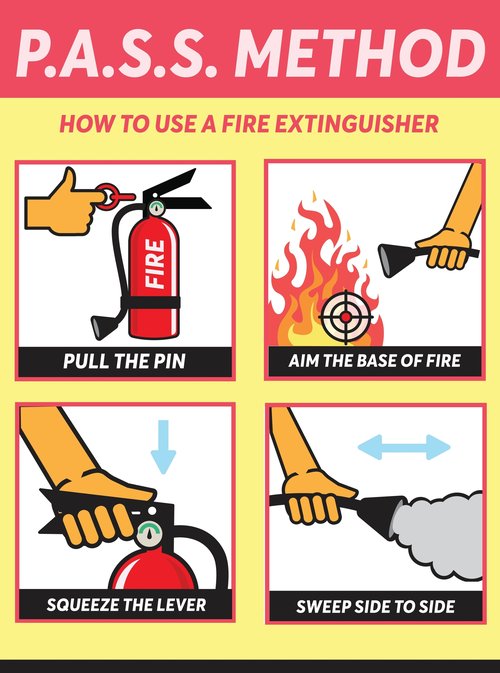
Make sure every employee understands the PASS technique:
- Pull the safety pin.
- Aim at the base of the fire.
- Squeeze the handle.
- Sweep side to side.
Remember that extinguishers work only for small, contained fires. If flames reach the ceiling or smoke fills the room, evacuate immediately.
Running Regular Fire Drills
Most workplaces should run drills twice a year minimum. Facilities handling hazardous materials should increase to quarterly intervals.
Regular training improves response times by an average of 25 seconds. After each drill, sit down with your team to evaluate performance.
Identify what worked and where confusion happened. This feedback loop is the difference between a safe evacuation and a tragedy.
Creating a Comprehensive Emergency Action Plan
Even with strong prevention measures, you need a solid plan for when fire strikes. Clear procedures save lives by removing confusion and making evacuations swift.
Designing Clear Evacuation Routes and Procedures
You must clearly mark evacuation routes throughout your facility. All exits need illuminated signs visible even in smoke.
It is also critical to post evacuation maps showing these locations throughout the building. This ensures information is always accessible.
Always plan for redundancy. Having multiple exit options gives employees backup escape routes if primary paths get blocked.
Assign specific people to maintain these pathways. You must ensure they never become storage areas.
Establishing Assembly Points and Wardens
Pick specific outdoor locations where employees gather after evacuating. These assembly points need to be at least 20 feet from the building.
You should also designate at least one fire warden who understands emergency procedures. Organizations with more than 50 employees typically need multiple wardens.
These leaders get specialized training in evacuation procedures. They are responsible for checking spaces before exiting and tracking personnel.
Final Thoughts
Fire safety requires ongoing commitment, but getting started is straightforward. Begin by checking your facility for hazards and identifying risks.
Next, create or update your emergency action plan. Set up evacuation routes, assign clear responsibilities, and put regular training in place.
The preparations you make today could save lives tomorrow.
Frequently Asked Questions
What are the primary causes of workplace fires?
Electrical malfunctions lead at 45 % , followed by cooking equipment at 30 % . Regular maintenance, proper storage practices, and employee training prevent most incidents.
How frequently should workplaces conduct fire drills?
Most workplaces should run drills twice a year at a minimum. However, facilities handling hazardous materials should increase to quarterly drills.
Who bears responsibility for workplace fire safety?
Employers hold legal responsibility for putting safety measures in place (often under OSHA regulations), but effective fire safety requires every employee to understand their role in prevention and emergency response.
What should a workplace fire evacuation plan include?
Your plan needs evacuation routes, assembly points, fire warden assignments, and employee accounting procedures. You should also post clear evacuation maps throughout your facility

Zarif Ahmed

An engineer and safety writer by profession, focusing on chemical management, regulatory development, and the patterns that shape workplace practice over time.