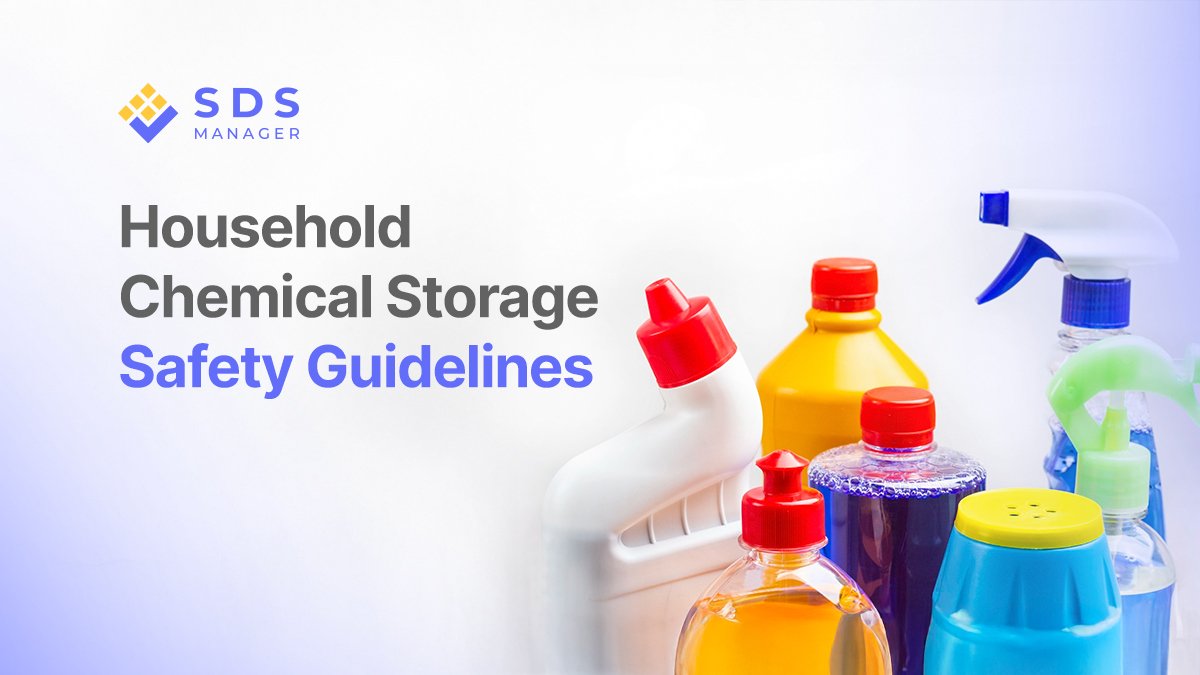
Proper chemical storage in your home is important for the safety of your family, pets, and property. Many everyday products such as bleach, oven cleaner, gasoline, etc., can pose serious hazards if stored incorrectly.
Let’s dive into the practical steps you can take to make your household chemical storage safer.
7 Essential Guidelines for Safe Household Chemical Storage
1. Choose the Right Location
The first step in safe chemical storage is selecting a secure and appropriate place.
Store all chemicals in cabinets or closets with locks, keeping them out of reach of children and pets. Limit access so that only responsible adults handle these substances. Avoid storing them in common areas such as kitchens, bathrooms, or play spaces.
Safe storage locations include locked utility rooms, high shelves in garages or sheds, and designated chemical storage cabinets, ensuring that hazardous items are both accessible when needed and protected from accidental exposure.
2. Separate Chemicals by Type
Not all chemicals play nicely together. Certain combinations can cause dangerous reactions. It’s important to understand which types of chemicals should be kept separate to maintain a safe home environment.
Follow this segregation guideline:
- Flammables: Keep away from heat sources and open flames.
- Corrosives: Store acids and bases separately.
- Oxidizers: Keep away from organic materials and flammables.
- Household cleaners: Never mix bleach with ammonia or vinegar. Use clear labeling to mark which items should never be mixed.
By following these segregation practices, you significantly reduce the risk of accidents and maintain a safer storage system for all your household chemicals.
3. Keep Containers Closed and Intact
A chemical’s danger increases when its container leaks or spills, so it’s important to handle and store containers carefully.
Always close caps tightly after use to prevent leaks, and avoid storing chemicals in old or cracked containers that may fail over time.
Never transfer chemicals into food or drink bottles, as this can lead to accidental ingestion and serious harm.
4. Maintain Optimal Storage Conditions
Temperature, light, and humidity can significantly affect the stability of chemicals, making proper storage conditions essential.
Always store chemicals away from direct sunlight to prevent degradation, and keep them in a cool, dry place to maintain their integrity. Additionally, avoid placing chemicals near heat sources such as water heaters or stoves, as excessive heat can increase the risk of spills, leaks, or dangerous reactions.
5. Label Everything Clearly
Even if you think you’ll remember what each container holds, it’s normal to forget.
Always include the product name and any hazard information on every container.
It’s also helpful to mark the date of purchase or first use, so you can track the age of the chemical.
Replace any missing or damaged labels immediately to ensure that everyone in the household can identify and handle chemicals safely at all times.
6. Monitor and Rotate Inventory
Regular checks help prevent accidents before they occur and keep your chemical storage organized.
Make it a habit to perform monthly inspections, looking for leaks, rust, or any signs of container damage.
Dispose of expired or unused chemicals safely, and always follow local guidelines for hazardous waste disposal to ensure both your household and the environment remain protected.
7. Have Safety Equipment Ready
Even with the best storage practices, accidents can still happen, so it’s important to have essential safety equipment on hand.
Keep a fire extinguisher rated for chemical fires nearby, along with a spill containment kit or absorbent materials to manage leaks or spills.
Additionally, always have gloves, goggles, and masks available when handling chemicals to protect yourself from burns, fumes, or other hazards.
What are the requirements for safe storage of chemicals?
To store household chemicals safely, follow these four essential principles:
- Separation: Keep incompatible chemicals apart (e.g., bleach and ammonia).
- Security: Lock chemicals away from children, pets, and unauthorized users.
- Storage: Keep items in their original, labeled containers and upright.
- Shelter: Protect chemicals from heat, cold, and direct sunlight.
These steps minimize the risk of fire, poisoning, or chemical reactions.
Final Thoughts
Following these chemical storage safety guidelines reduces the risk of accidents, poisoning, and fire.
Lock up chemicals, maintain container integrity, and dispose of hazardous materials responsibly. Regular review of your storage practices keeps your home safe for everyone.

Samiha Fairooz Audrika

Samiha is a workplace safety expert and writer at SDS Manager. She translates complex safety standards into clear, practical guidance rooted in real-world challenges and industry insight. Her work helps businesses strengthen compliance, protect workers, and make safer decisions with confidence.