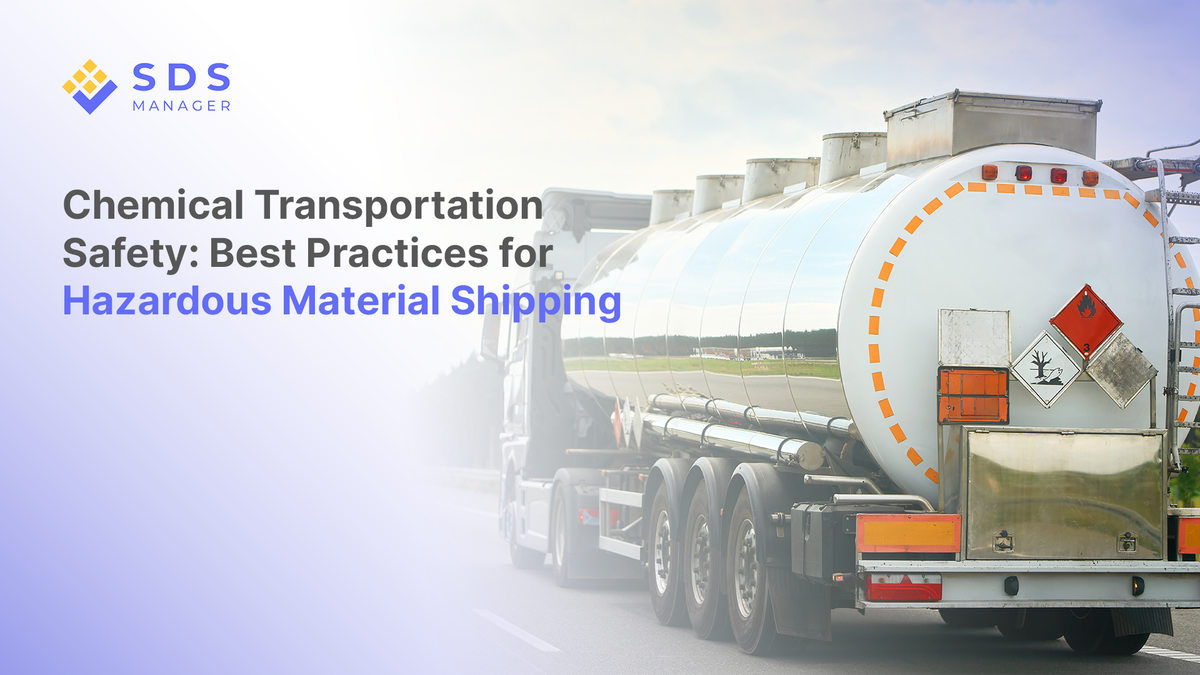
Chemical transportation safety is not just about getting a product from Point A to Point B. It’s about ensuring that the journey happens without endangering the public, the environment, or the workforce.
A single lapse in protocol can lead to catastrophic consequences, regulatory fines, and irreparable reputational damage.
This guide advises you on the best practices and operational standards necessary to maintain a secure and compliant chemical supply chain.
Chemical Transportation Laws
The rules governing hazmat transportation in the U.S. are extensive, creating a "chain of safety" that tracks dangerous materials from production to consumption.
The Hazardous Materials Transportation Act of 1975 (HMTA) is the legal foundation. It unified previously scattered regulations under the Department of Transportation (DOT).
The HMTA’s goal is to protect people and the environment from risks during transport. It gives the DOT the authority to define what is hazardous and to create all the detailed rules, which are compiled in Title 49 of the Code of Federal Regulations (49 CFR).
Compliance requires working with several key agencies:
- PHMSA: The DOT branch that writes and enforces the specific hazmat transportation regulations.
- OSHA: Focuses on worker safety when handling chemicals at loading and unloading facilities.
- EPA: Regulates the transport of hazardous waste and manages the environmental cleanup of spills.
- FMCSA: Governs the safety of trucking companies and drivers moving the shipments on public roads.
Chemical Transportation Safety: Best Practices
Moving beyond legal compliance, a culture of safety is built on a foundation of best practices that proactively mitigate risks. The following are key best practices that should be integral to any hazardous material shipping operation:
1. Proper classification
Accurate classification is the foundation of chemical transportation safety. Each chemical must be identified by DOT hazard classes to determine packaging, labeling, and documentation. Misclassification can lead to incompatible packaging, spills, and regulatory penalties. Correct identification ensures safe and compliant hazmat transportation.
2. Approved packaging and secure containment
Safe transport requires certified packaging suited to the chemical’s hazard class. Containers must be checked for leaks, cracks, or corrosion, and closures properly secured. Material compatibility and secondary containment help prevent reactions or spills, reducing risks during transporting hazardous materials and ensuring transportation remains safe and uninterrupted.
3. Clear labeling and hazard communication
Clear, accurate labels are essential for chemical transportation safety. They must display shipping names, UN/NA numbers, hazard pictograms, and handling instructions. You can use a transport label generator to make accurate labels. Errors in labeling can cause delays and safety hazards, while proper labeling enables quick, informed decisions in emergency situations.
4. Thorough documentation
Shipping papers, SDSs, and emergency response information must clearly outline hazards and handling instructions. Missing or inaccurate documents can delay chemical products transport and hinder emergency response. Use a reliable SDS authoring software to create accurate and compliant SDSs.
5. Employee training
All personnel involved in transporting hazardous materials must complete DOT-required hazmat training covering hazard recognition, safe handling, and emergency procedures. Regular refresher training keeps teams up to date, reducing human error and strengthening overall hazardous material shipping safety.
6. Secure loading and unloading
Loading and unloading must follow strict procedures to minimize risk. Containers should be stable, valves and caps secured, and incompatible chemicals separated. Using proper handling equipment ensures safe movement and protects shipment integrity, supporting overall chemical transportation safety during transit.
7. Route planning and vehicle monitoring
Careful route planning is essential for safely transporting hazardous materials. Routes should avoid high-risk areas, and factors like traffic, weather, and road conditions must be considered. Real-time monitoring of vehicles and cargo allows rapid response to issues, ensuring safe and compliant hazardous material shipping from start to finish.
Precautions for transporting hazardous chemicals
Effective hazardous material shipping depends on proactive risk management. The following precautions help minimize the chance of spills, fires, or exposure incidents during transit:
Risk assessments before shipping
Evaluate the physical and chemical hazards, the temperature or pressure sensitivity, and the potential impact of an accidental release.
Use of proper PPE
Drivers and handlers may require safety gloves, chemical-resistant clothing, or respiratory protection depending on the load and type of chemical.
Temperature and pressure controls
Some chemicals require controlled environments to remain stable during transport.
Emergency response planning
Every shipment must include:
- Spill response kits
- Contact information for emergency coordinators
- Clear communication instructions
- Access to SDSs
Preparedness ensures fast, efficient response in case of an incident.
Vehicle condition checks
Vehicles used in hazmat transportation must pass routine safety inspections, including brakes, lights, cargo securement, and tank condition.
Step-by-Step Guidelines for Transporting Chemicals
Follow this actionable checklist for every shipment:
- Classify & Identify: Determine the exact hazard class and UN/ID number of your material.
- Select & Prepare Packaging: Choose a UN-certified, compatible package. Assemble, mark, and label it correctly.
- Complete Documentation: Fill out the Shipper’s Declaration and ensure emergency info is attached.
- Review Placarding: Verify if the total load weight and hazard class require vehicle placards (remember the 1001-pound aggregate rule).
- Safe Handling & Staging: Use proper PPE, segregate incompatibles, and employ secondary containment during temporary storage.
- Carrier Handoff: Provide the carrier with all required paperwork and verify they are properly licensed for hazmat transportation.
- Retain Records: Keep shipping papers, training certifications, and other records for the legally required period (typically 3 years for training, 2 years for shipping papers after material is accepted).
Final Thoughts
Safe chemical transport means a clear understanding of chemical transportation laws, practical experience, and a commitment to doing things the right way. By following these best practices and clear guidelines, companies can greatly reduce the risks that come with transporting hazardous materials.
Don't wait for an inspection to find the gaps in your process. Conduct a mock audit of your hazmat shipping workflow this week. Stay on the right side of regulations, and create a stronger, more reliable chemical supply chain.

Samiha Fairooz Audrika

Samiha is a workplace safety expert and writer at SDS Manager. She translates complex safety standards into clear, practical guidance rooted in real-world challenges and industry insight. Her work helps businesses strengthen compliance, protect workers, and make safer decisions with confidence.