Laboratory work involves the regular use of hazardous chemicals, biological agents, and specialized machinery. To manage these risks, facilities use a standardized system of visual warnings.
These lab safety symbols provide immediate information about hazards and the precautions required to handle them. They serve as a universal language that communicates safety requirements regardless of a person's native language.
This article lists the primary categories of safety signs based on standard laboratory safety protocols. We will cover biological threats, chemical risks, physical hazards, and mandatory protective gear requirements.
Why Labs Use Standard Hazard/Safety Symbols
Text-based warnings can be difficult to read quickly or may be written in a language the user does not understand. Laboratory hazard signs solve this by using internationally recognized shapes and colors.
Standardization, such as the Globally Harmonized System (GHS) or ISO 7010, ensures that hazard communication is consistent across different regions. This consistency reduces the likelihood of accidents during chemical handling and storage.
Visual Cues and Recognition
Safety signs are categorized by color and shape to indicate the type of information:
- Yellow Triangles: Generally used for warnings.
- Blue Circles: Indicate mandatory actions.
- Green Rectangles or Squares: Reserved for emergency information, such as exit routes or safety equipment.
- Red Circles with a Slash: Typically indicate prohibition (actions that are not allowed) or fire hazards.
Types of Lab Safety Symbols
I. Warning and General Hazard Symbols
Warning signs show that a possible threat exists in a specific area. These symbols tell staff to be careful and follow certain rules while working in that zone.

A General Warning symbol usually means there are hazardous materials or environments nearby. It acts as a broad alert to pay extra attention to your surroundings.
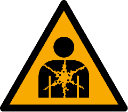
The Health Hazard symbol marks chemicals or biological factors that can harm human health over time.
II. Biological and Chemical Hazard Signs
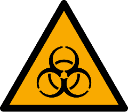
Biological hazards include things like germs, toxins, or viruses. These are often grouped by biosafety levels (BSL 1 to 4), where a higher level requires more control.
Chemical hazard symbols identify substances that can harm people or the environment. These include:
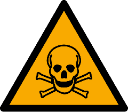
Poison symbol marks highly toxic materials that can be fatal or cause severe illness if ingested, inhaled, or absorbed.

Carcinogenic symbol indicates materials that can potentially lead to cancer upon contact or inhalation.
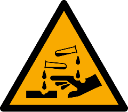
Corrosive symbols indicate liquids or substances that can cause skin burns or eye damage.
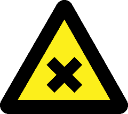
Signs for Harmful Irritants warn about chemicals that might cause itchy skin or breathing problems if they are touched or inhaled.
III. Physical Material Hazard Symbols
Physical hazards include things like heat, radiation, and electricity.
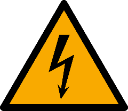
Symbols for High Voltage and Electric Hazard warn about the risk of getting an electric shock.
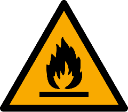
Flammable symbol indicates materials that can catch fire easily.
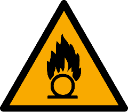
Oxidizing symbol is used to identify substances that can provide oxygen to a fire, making it burn more intensely.

Explosive Material icons mark chemicals that can react suddenly or blow up if they are handled incorrectly.
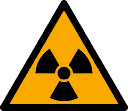
Radioactive / Radiation symbol warns of ionizing radiation hazards that require specialized handling and shielding.
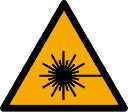
Laser Hazard informs staff of the presence of laser beams that can cause eye or skin damage.
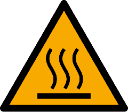
Hot Surface symbol warns of equipment or surfaces that are hot enough to cause burns upon contact.
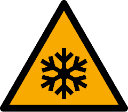
Cold (Cryogenic) Hazard symbol informs people working with extremely low-temperature from getting frozen while with materials like liquid nitrogen.
IV. Entry and Working Requirement Symbols
Some signs show what must be done before entering a room. These personal protective equipment (PPE) signs tell you what gear to wear, such as gloves, glasses, or lab coats. Inspect PPE to make sure it is in working order to prevent avoidable incidents.

Safety Gloves symbol requires staff to use gloves that protect the hand for the current task.

Safety Glasses symbols warn that eye protection must be worn to prevent injury from splashes or debris.

Labcoat symbol notifies personnel that a lab coat is required to protect skin and clothing.
Other icons show where to find laboratory emergency equipment symbols. These include Hand Wash Stations, Eye Wash Stations, and Shower Stations for cleaning up after an accident.

Eyewash Station symbols point to equipment used to flush hazardous substances out of the eyes.
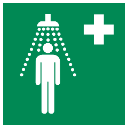
Safety Shower Station symbol indicates where to find a full-body shower for cleaning up after a major chemical spill
Location symbols also point toward safety tools. These include Fire Extinguishers, First Aid kits, Fire Blankets, and Emergency Bells to use if something goes wrong.
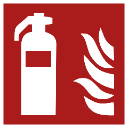
Fire Extinguisher symbol marks the location of tools used to put out small fires.

Fire Blanket symbol points toward blankets used to smother small fires or wrap around a person whose clothes are on fire.

First Aid Location symbol identifies where medical kits are stored for minor injuries.

Emergency Bell symbol indicates the location of an alarm used to alert others of a dangerous situation.
V. Prohibition and Restricted Entry Signs
Prohibition signs show actions or objects that are not allowed in a certain area. These signs are usually circles with a red line through the middle.
Restricted Entry signs ensure that only authorized people enter high-risk zones. Food and Drink Prohibited icons help prevent people from accidentally eating or drinking something dangerous.

No Eating or Drinking / Food and Drink Prohibited: Helps prevent people from accidentally ingesting dangerous materials.
Other signs include No Open Flame, and No Electronics. These rules help keep the lab a controlled environment and prevent fires or tripping accidents.

No Open Flame: Prohibits fire-producing tools in areas with flammable materials to prevent explosions.
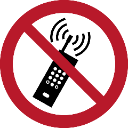
No Electronics: Restricts the use of electronic devices that might cause interference or ignite a fire.
Final Thoughts
Using standard safety signs is a practical way to maintain a safe working environment. These symbols reduce the time needed to identify a threat, which is helpful in busy or high-stress situations.
Consistent signage also supports a stronger culture of safety. When every hazard is clearly marked, it reinforces the importance of following protocols and wearing protective equipment.
By using these universal icons, labs help everyone, from students to visiting researchers, to navigate the space safely. Clear communication is the first step in preventing workplace injuries and protecting valuable research.
Frequently Asked Questions
Why are lab safety symbols standardized?
Standardization ensures that hazard information is understood globally, regardless of the local language. ISO 7010 sets the global standard for hazard and safety symbols worldwide.
What does a yellow triangular sign indicate?
A yellow triangle is a warning sign. It indicates a potential hazard that requires caution but is not necessarily an immediate prohibition.
Where should lab safety symbols be placed?
Signs should be placed at eye level near the entrance to a lab or directly on the equipment and storage units containing hazardous materials.
Can one chemical have multiple symbols?
Yes, many chemicals have multiple hazards. For example, a substance can be both flammable and toxic, requiring two different pictograms.
What is the difference between red and blue signs?
Red signs typically indicate a prohibition (something you must not do) or a fire hazard. Blue signs indicate a mandatory action (something you must do).

Zarif Ahmed

An engineer and safety writer by profession, focusing on chemical management, regulatory development, and the patterns that shape workplace practice over time.