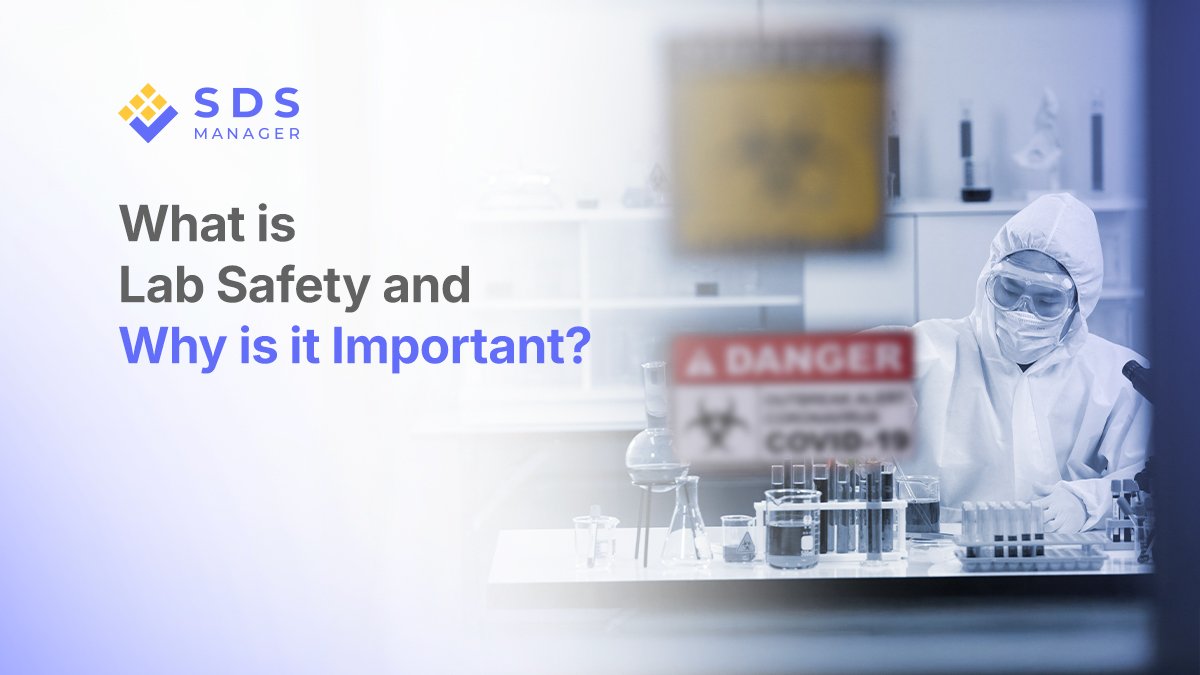
Laboratory safety refers to the systems, behaviors, and controls that prevent injuries, exposures, and incidents in lab environments. It's important because laboratories concentrate hazards that can cause serious harm when controls fail.
Labs are essential to research, quality control, healthcare, and manufacturing. What is less visible is how quickly routine tasks can escalate into incidents without disciplined safety practices.
This article walks you through the foundations of safe laboratory operations, explains why they demand constant attention, and outlines practical measures you can reinforce immediately.
What Is Lab Safety?
Lab safety is the structured approach to identifying, controlling, and monitoring risks associated with laboratory work. It combines written standards, engineered controls, training, and individual accountability.
In practical terms, it governs how chemicals are stored and handled, how biological materials are contained, how equipment is operated, and how waste is managed. It also defines expectations for behavior, documentation, and emergency response.
In EHS, Lab safety is an operational discipline embedded into daily workflows, procurement decisions, and change management. When implemented correctly, it reduces variability and prevents reliance on individual judgment during high-risk tasks.
Why Lab Safety Matters in High-Risk Environments
Labs concentrate chemical, biological, physical, and sometimes radiological hazards in confined spaces.
Globally, incident data and regulatory investigations show that laboratory injuries most frequently involve chemical burns, eye damage, and inhalation exposures. Safety authorities consistently identify weak hazard communication, unclear chemical labeling, and insufficient task-specific training as common contributing factors.
Strong lab safety programs:
- Protect personnel from acute and chronic harm
- Preserve data integrity and research continuity
- Reduce regulatory violations and enforcement actions
- Demonstrate due diligence to auditors and regulators
Most importantly, they create predictability. Predictable environments are safer environments.
The Five Core Elements of the Laboratory Standard
Regulatory frameworks usually align on five foundational components. Which are:
1. Chemical Hygiene Plan
This is the governing document for laboratory operations. It defines responsibilities, procedures, and control measures specific to lab work.
2. Exposure Control Measures
These include engineering controls such as fume hoods, administrative controls like SOPs, and appropriate PPE selection.
3. Information and Training
Personnel must understand hazards before exposure occurs. Training should be task-specific and reinforced regularly.
4. Medical Consultation and Surveillance
Clear processes must exist for exposure evaluation, incident follow-up, and occupational health support.
5. Program Review and Oversight
Lab conditions change. The safety program must be reviewed, updated, and enforced consistently.
Each element supports the others. Weakness in one undermines the entire system.
Common Laboratory Hazards
Laboratory risks are rarely isolated. They often overlap.
Chemical hazards
- Toxic, corrosive, flammable, or reactive substances
- Incompatible storage leading to fires or releases
Biological hazards
- Exposure to pathogens, cell cultures, or recombinant materials
Physical hazards
- Sharps, centrifuges, pressurized systems, cryogenics
Ergonomic hazards
- Repetitive pipetting, awkward postures, prolonged standing
Recognizing these hazards early allows you to design controls before incidents occur.
Best Practices to Strengthen Lab Safety
Effective programs focus on consistency, not perfection.
- Provide easy access to safety data sheets via digital tools or binders
- Standardize procedures and enforce them uniformly
- Ensure safety data sheets are current and accessible
- Label all containers clearly and accurately
- Inspect engineering controls on a defined schedule
- Encourage near-miss reporting without blame
Effective laboratory safety depends on clarity and consistency. Defined procedures, clearly assigned responsibilities, and standardized controls reduce variation in how tasks are performed. When safety requirements are unambiguous, laboratories operate more reliably and with fewer incidents.
Conclusion
Lab safety sets the rules for working safely with chemicals, equipment, and materials. It helps people understand risks and follow safe methods every day. Without clear safety practices, even basic lab work can become dangerous.
Knowing common lab hazards and the key parts of the lab standard helps organizations put the right controls in place. Clear procedures, proper training, and well-maintained equipment reduce mistakes. This makes daily lab work safer and more consistent.
When safety is part of regular lab operations, compliance happens naturally. Fewer incidents occur, and work runs more smoothly.

Samiha Fairooz Audrika

Samiha is a workplace safety expert and writer at SDS Manager. She translates complex safety standards into clear, practical guidance rooted in real-world challenges and industry insight. Her work helps businesses strengthen compliance, protect workers, and make safer decisions with confidence.