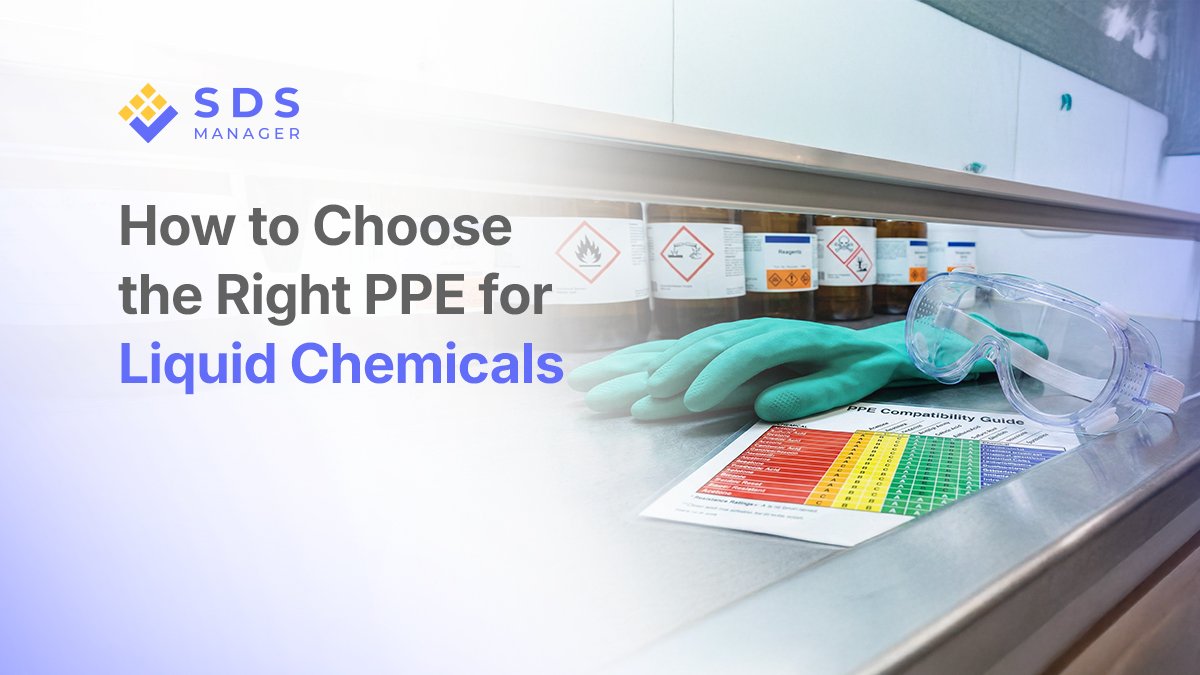
Liquid chemicals are the most common type of chemicals that are handled on a regular basis.
Whether you work in a factory, construction, a lab, or a healthcare facility, if not handled right, liquid chemicals can cause accidents without warning. A small splash can burn skin, damage eyes, or soak through clothing in seconds.
That is why understanding which PPE can protect you from liquid chemicals matters long before an incident happens.
What Risks does Liquid Chemical Exposure pose?
Liquid chemicals cause harm mainly through direct contact. Splashes to the skin or eyes are the most common, but soaking and absorption through clothing also happen during routine tasks.
Exposure usually occurs while pouring, transferring, cleaning, or responding to small spills. In many workplaces, injuries happen during short tasks, not large accidents. PPE selection needs to reflect that reality.
How to Match PPE to Liquid Chemical Hazards
PPE selection starts with knowing what you are handling and how contact could occur. Check the Safety Data Sheet for the chemical to find this information, including corrosivity, toxicity, and recommended protection.
Focus first on exposure type. Splash exposure requires different protection than contact-based exposure. If PPE does not match the exposure, it will fail even if it looks durable. Let’s review which PPE protects which part of your body.
Gloves: Chemical-Resistant Hand Protection
Glove selection matters because the wrong material fails during a spill. Nitrile, neoprene, and butyl rubber resist different chemicals.
- Nitrile: Best for petroleum-based oils and certain solvents.
- Neoprene/Butyl: Needed for acids and highly corrosive liquids.
- Laminates: Provide broad protection for complex chemical mixtures.
Thicker gloves are not always better. Check breakthrough times, often tested to BS EN ISO 374 standards in the UK, to see how long a material holds up against a specific liquid.
In labs and maintenance work, most glove failures happen at the wrist, not the palm. For high splash risks, use gauntlet-style gloves to protect your arms.
Eyewear: Blocking Liquid Splashes
Standard safety glasses fail to stop liquid from hitting your eyes. You need splash-rated goggles that seal against your face.
- Chemical Splash Goggles: These provide the primary seal against liquids.
- Face Shields: Use these only as secondary protection over goggles.
Face shields help, but they do not stop liquid from running behind eyewear. Use both goggles and a face shield when pouring corrosive liquids.
Most chemical burns happen during transfer, not storage. Safety managers often use the SDS to confirm which ppe can protect you from liquid chemicals during these high-risk tasks.
Clothing: Preventing Body Absorption
Regular lab coats only handle light splashes. For higher risks, use chemical-resistant aprons or full splash suits to prevent absorption.
- Aprons: Provide front-body protection for controlled pouring.
- Coveralls/Suits: Use for frequent or uncontrolled splashing.
- Boots: Chemical-resistant footwear prevents liquids from soaking into feet.
If liquid can splash or pool, upgrade your protection immediately. This prevents dangerous liquids from soaking into your personal footwear.
Respirators: Managing Vapors and Mists
Respirators are needed only if vapors or mists pose an inhalation risk. You must match the cartridge or filter to the specific chemical hazard.
- Cartridge Respirators: Filter out specific organic vapors or acid gases.
- Supplied-Air Systems: Required for high concentrations or low-oxygen areas.
Check your SDS to see if the chemical creates dangerous aerosols. In the UK, ensure respiratory protective equipment (RPE) is UKCA or CE marked and that workers have passed a face fit test.
Using, Removing, and Maintaining PPE Safely
Damaged or contaminated PPE can spread chemicals to your skin. Inspect every piece for tears or cracks before use.
Workers should know how to remove gear without touching the outside. If PPE is hit by a spill, replace it before your next shift.
Final Thoughts
The right PPE depends on the chemical, the task, and how contact can occur. Start by checking the SDS for exposure risks and always prioritize equipment that seals against the skin and eyes.
Regular inspections and proper removal techniques are the only ways to ensure your PPE keeps you safe until the job is done. Smart PPE choices reduce injuries during everyday tasks, not just during emergencies.
Frequently Asked Questions
What type of gloves work best for acid splashes?
Gloves made of neoprene or butyl rubber provide good resistance to many acids and corrosive liquids.
Can regular safety glasses protect against chemical splashes?
No. You need splash-rated goggles for liquid chemical hazards; glasses alone are not sufficient.
Do I always need a respirator with liquid chemicals?
Respiratory protection is required only if vapors or mists pose an inhalation risk.
Should PPE be replaced after every chemical exposure?
If PPE is damaged or contaminated, replace it before the next use.
What’s the first step in choosing the right chemical PPE?
Start with a risk assessment using the SDS to understand hazards and exposure routes.

Zarif Ahmed

An engineer and safety writer by profession, focusing on chemical management, regulatory development, and the patterns that shape workplace practice over time.