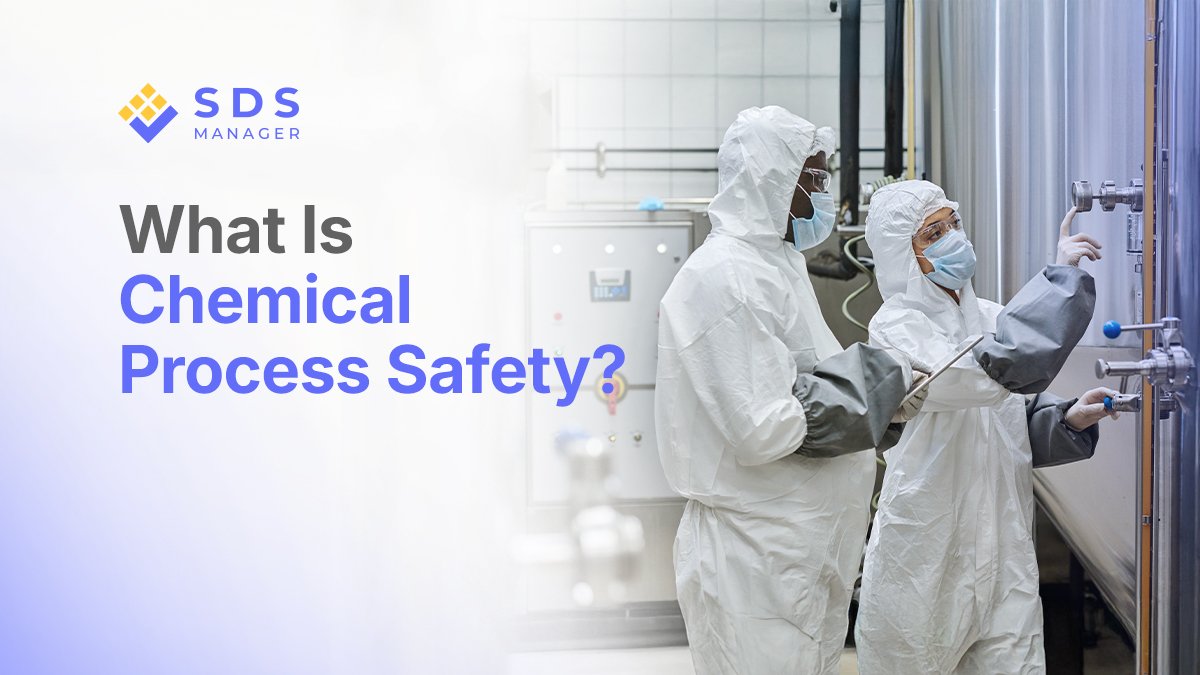
Chemical process safety is the discipline focused on preventing fires, explosions, toxic releases, and other major incidents in facilities that handle hazardous substances. It is the foundation of safe chemical manufacturing, and its purpose is simple: protect people, property, and the environment from catastrophic failure.
Let's talk about everything you need to know to prevent chemical accidents using process safety.
Why It Matters
Chemical operations involve energy, reactivity, pressure, and toxic materials. When those elements drift outside safe boundaries, the consequences escalate rapidly. Incidents such as runaway reactions, vapor cloud explosions, or uncontrolled leaks occur in seconds, leaving almost no time to intervene.
Failures in process safety have historically resulted in mass casualties, severe regulatory penalties, and long-term environmental damage. This field exists to prevent those high-impact events before they begin.
What Are the 4 Pillars of Chemical Process Safety?
The four pillars of process safety form a structured framework used across high-hazard industries to prevent catastrophic events and maintain strong operational control.
These pillars are: Commitment to Process Safety, Understanding Hazards and Risks, Managing Risk, and Learning from Experience. All these work together as an interconnected system.
Commitment to Process Safety sets the cultural and organizational foundation.
Understanding Hazards and Risks creates deep knowledge of the chemicals, equipment, and failure modes involved.
Managing Risk transforms that knowledge into engineered safeguards, procedures, and operational discipline.
Learning from Experience ensures every near miss, audit, and deviation strengthens future performance.
When all four pillars are maintained, they create a resilient safety architecture that stops small problems from evolving into large-scale emergencies.
What Hazards Does Process Safety Address?
Process safety concentrates on the dangers of chemicals, capable of causing catastrophic harm. These hazards often fall into predictable categories:
- Reactivity hazards such as uncontrolled exothermic reactions.
- Toxic exposures caused by loss of containment.
- Pressure and temperature excursions that overwhelm equipment.
- Flammable atmospheres created by leaks or improper ventilation.
- Mechanical failures like corrosion, fatigue, or vibration damage.
The discipline evaluates how these hazards interact and how small deviations can cascade into full-scale emergencies.
How Is Chemical Process Safety Implemented?
Implementation relies on a structured set of tools, standards, and regulatory expectations. Organizations typically use:
- Process hazard analyses to identify risk scenarios.
- Engineering controls such as relief systems, interlocks, and robust containment.
- Operating procedures built from engineering data, not assumptions.
- Mechanical integrity programs that keep vessels, pipes, and controls within safe limits.
- Training and competency development for every person interacting with the process.
- Management of change (MOC) to prevent undocumented modifications that compromise safeguards.
These elements function as interlocking barriers. When maintained correctly, they stop an incident long before it threatens safety.
What Happens When Process Safety Fails?
When protective layers are weakened or bypassed, catastrophic loss becomes a real possibility. Small errors such as an overlooked valve or an uncalibrated instrument compound until the process behaves unpredictably.
The resulting events can include mass chemical releases, plant-wide explosions, structural collapse, and community-level evacuations. Beyond human impact, companies face long-term operational shutdowns, punitive fines, and reputational fallout that may never fully recover.
How Can Organizations Strengthen Their Process Safety Program?
Improvements often start with visibility and control. This includes:
- Accurate chemical inventories.
- Keeping current SDSs in a digital library.
- Clear understanding of each substance’s hazards.
- Strong incident reporting and investigation.
- Continuous auditing of procedures, equipment, and documentation.
Digital platforms for managing chemical information and safety documentation offer a direct way to reinforce these protections.
Final Thoughts
Chemical process safety is not a one-time compliance exercise. It is a continuous cycle of evaluating hazards, strengthening safeguards, and learning from internal and industry incidents. The stakes are too high for complacency.
By treating process safety as a daily operational priority, an organization not only prevents disaster but also builds a culture grounded in responsibility and protection. The subject naturally leads toward broader discussions about risk, resilience, and the long-term sustainability of industrial operations.

Samiha Fairooz Audrika

Samiha is a workplace safety expert and writer at SDS Manager. She translates complex safety standards into clear, practical guidance rooted in real-world challenges and industry insight. Her work helps businesses strengthen compliance, protect workers, and make safer decisions with confidence.