Every day, we interact with thousands of chemicals in products we use, food we eat, and air we breathe. From cleaning supplies to cosmetics, these substances are everywhere.
So how do scientists make sure they're safe for us? The answer involves testing, global teamwork, and constant innovation. Let's explore how the scientific community checks and improves chemical safety to protect our health.
Testing Methods: From Lab Analysis to Risk Assessment
The Scientific Community relies on testing as the primary method for scientific evaluation because it gives us the hard facts needed to make safety decisions. It tells us which chemicals are safe and which are dangerous, helping prevent exposure to harmful substances before they cause widespread harm.
As science and testing methods improve, new evaluations can reveal risks that earlier tests missed, making sure safety measures get better as our knowledge grows.
The Testing Process
Scientists use a three-step process to understand how chemicals affect our health and environment.
Toxicity testing
This checks how substances harm living things. For example, researchers test how a cleaning chemical affects skin cells or what happens when someone breathes in fumes. They look at quick effects (like skin burns) and long term effects (like cancer risk).
Exposure assessment
Exposure assessment measures how much of a chemical people actually touch or breathe in daily life. A factory worker using industrial cleaners faces different risks than someone using household products once a week.
Risk characterization
This combines both pieces to estimate real danger. If a chemical is very toxic but people rarely touch it, the actual risk might be low. But if a slightly harmful chemical is everywhere, that's a bigger problem.
Here's the issue: less than a quarter of tens of thousands of chemicals have complete safety data. That's why researchers are creating faster ways to test.
Specific Testing Methods in Action
Scientists use different tests depending on what they need to know.
- Acute toxicity tests check immediate harmful effects, like what happens if someone accidentally swallows a product.
- Chronic toxicity tests look at long term exposure over months or years.
- Skin and eye tests help figure out if a chemical burns or irritates on contact.
- Scientists now often use artificial skin instead of animals for these tests.
- Reproductive tests check if chemicals can harm unborn babies or affect fertility.
- Environmental tests track what happens when chemicals enter nature. Do they break down quickly or stick around for years? Do they build up in fish or plants? These tests help protect our ecosystems.
The Evaluation and Re-evaluation Cycle
When a chemical first gets tested, researchers set a baseline safety profile. Years later, new studies or testing methods might reveal unknown risks.
Scientists then re-evaluate by reviewing all studies, accident reports, and health data. If evidence shows higher risk, the Environmental Protection Authority (EPA) can limit use or ban the chemical in New Zealand.
This ongoing cycle means safety standards improve over time, just like how doctors update medical advice as new research comes out.
Green Chemistry: Prevention Over Cure
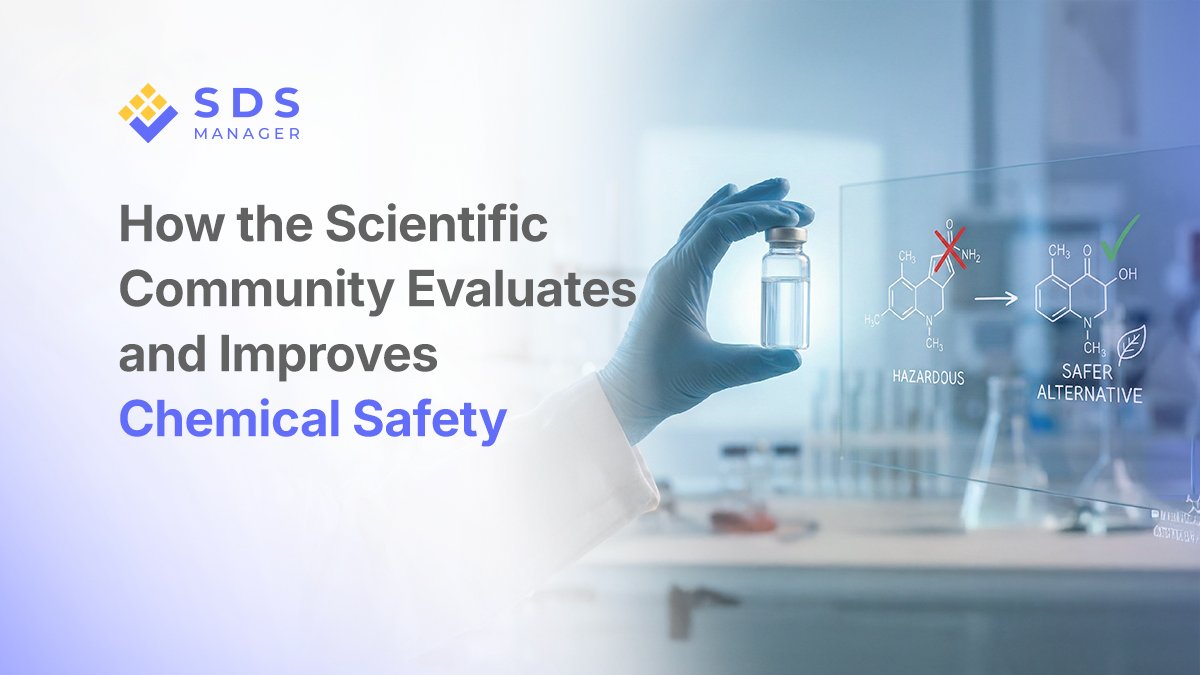
Green chemistry is about making chemicals safer and reducing waste. It focuses on using safer materials and designing products that break down safely after use.
The goal is simple: create chemicals that work well but are less harmful to people and the environment. Real world example: Pfizer created a greener process for pregabalin that cut waste from 86 kg to 17 kg per kg product and reduced energy use by 82%.
Scientists actively replace dangerous substances by finding high concern chemicals, researching safer options, and helping industries make the switch.
How Data Sharing Prevents Chemical Accidents
Safety improves when information flows freely between researchers, companies, and regulators. The Pistoia Alliance Chemical Safety Library collects accident data from across the chemical sector and shares it freely.
When one company learns a chemical caused an unexpected reaction, sharing that information helps everyone avoid the same mistake. Globally, millions of lives are lost each year due to chemical exposure. In New Zealand, around 600–900 people die prematurely every year from workplace-related diseases, including exposure to hazardous substances.
AI and Smart Technology Revolutionize Safety Testing
Advanced technology now helps scientists predict chemical behavior without lengthy traditional tests. Machine learning and AI help screen thousands of chemicals quickly, predict toxicity based on molecular structure, and spot risky substances early.
Modern monitoring tools also stop problems before they happen. Continuous air monitoring in workplaces, smart leak sensors, and predictive models all work together to catch issues before they become dangers.
However, technology can’t prevent accidents caused by human error, such as mishandling chemicals or ignoring safety rules. While technology improves safety, proper training and careful practices are still important.
Ongoing Monitoring Keeps Chemicals Under Watch
Once a chemical passes initial testing and enters the market, monitoring doesn't stop. Scientists track how chemicals perform in the real world to catch any problems that lab tests might have missed.
Workplace programs
Workplace programs collect health data from people who work with chemicals regularly. If factory workers handling a certain substance develop health issues at unusual rates, that's a warning sign.
Environmental stations
Environmental stations track chemical levels in air, water, and soil. Sensors measure pollution levels continuously, alerting authorities when levels spike. This real time data helps protect communities near industrial areas.
Poison control centers
The National Poisons Centre provides valuable feedback in New Zealand. When people accidentally get exposed to chemicals, these centers document what happened and what effects occurred.
Scientists also conduct long term studies that follow chemicals over years or decades. These investigations can reveal slow developing health effects. New Zealand regulators under the Health and Safety at Work (Hazardous Substances) Regulations 2017 and HSNO Act review chemicals to ensure they remain safe.
Final Thoughts
The scientific community's approach combines rigorous testing, international standards, smart design, and continuous learning. Progress happens through teamwork between toxicologists, chemists, engineers, regulators, and public health experts.
While challenges remain, today's tools far exceed what existed even ten years ago. Scientists can now check chemicals faster, design safer options more effectively, and prevent exposures more reliably.
Frequently Asked Questions
How long does it take to fully test a new chemical for safety?
Traditional testing takes several years. New quick testing methods provide initial screening within weeks or months, helping decide which chemicals need full evaluation.
Are chemicals tested on animals still necessary?
The scientific community is creating alternatives. While some animal testing continues for complex effects, cell cultures and computer modeling increasingly replace traditional approaches.
How do scientists decide which chemicals to test first?
They focus on production volume, likely human exposure, and existing concerns. Widely used chemicals get tested earlier.
What makes a chemical "safer" according to green chemistry?
Safer chemicals work well while being less toxic. They're less dangerous to make, produce less waste, and break down safely after use.
How can I find out if a product in New Zealand contains safe chemicals?
Look for "HSNO" compliant labels and check Safety Data Sheets (SDS), which are mandatory for hazardous substances in New Zealand workplaces. You can also search the EPA’s database for approved hazardous substances and their specific controls.

Zarif Ahmed

An engineer and safety writer by profession, focusing on chemical management, regulatory development, and the patterns that shape workplace practice over time.