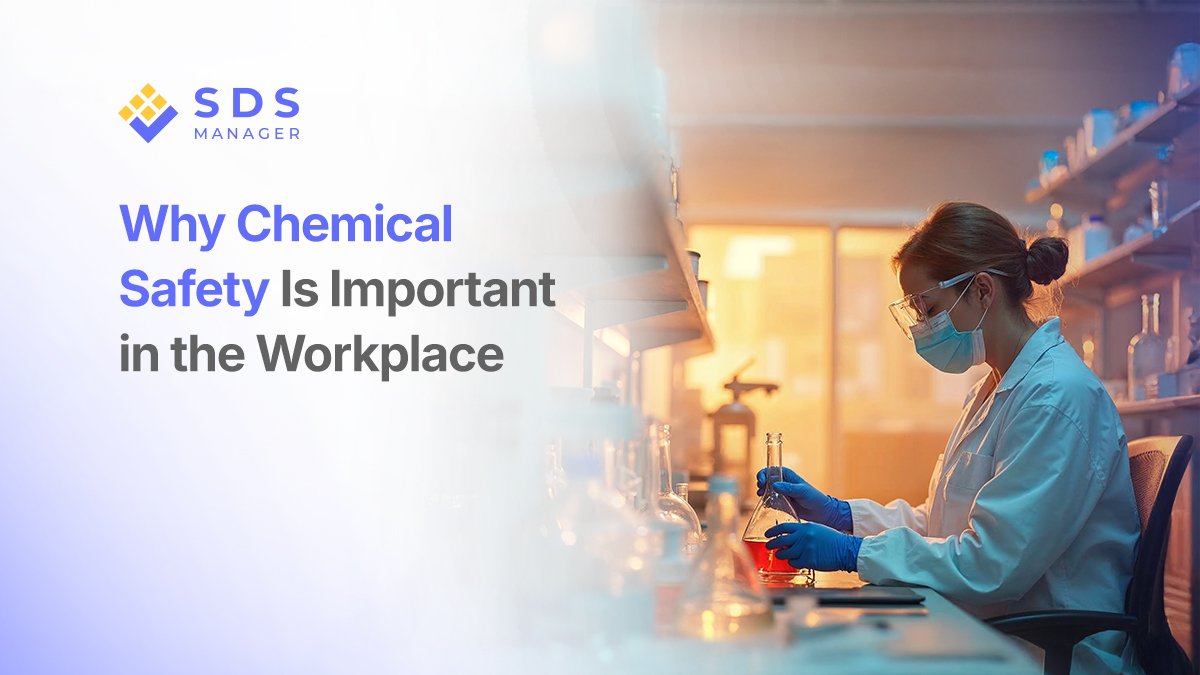
Chemical safety means handling and using chemicals to protect people and the environment. It’s important for anyone working with hazardous substances, from labs to factories, to prevent accidents and health risks.
Why Chemical Safety Is Important
Chemical safety plays a key role in protecting workers, controlling risk, and meeting regulatory requirements. Many workplaces handle hazardous substances daily, from manufacturing and warehousing to laboratories and maintenance areas. When chemical risks are not properly managed, even routine tasks can lead to injuries or environmental damage.
Understanding why chemical safety is important helps organizations reduce incidents and create safer working environments.
What Chemical Safety Covers
Chemical safety refers to how hazardous substances are managed throughout their lifecycle, from storage and use to disposal. It also includes employee awareness and access to safety information.
At a basic level, chemical safety focuses on:
- Proper storage and handling of hazardous substances
- Clear labeling and hazard communication
- Access to Safety Data Sheets (SDSs)
- Training for routine and emergency situations
How Chemical Safety Keeps Employees Safe
The importance of chemical safety becomes clear when looking at worker health. Chemical exposure can cause burns, respiratory problems, skin irritation, or long-term health effects if risks are not controlled.
When chemical safety practices are part of daily work, employees understand the hazards they face and know how to protect themselves. This reduces uncertainty and helps workers respond more effectively if an incident occurs.
How Chemical Safety Supports Compliance
Chemical safety is closely tied to regulatory compliance. Workplace regulations such as OSHA’s Hazard Communication Standard, REACH, and CLP require employers to control chemical risks and provide hazard information.
Strong chemical safety programs support compliance by helping organizations:
- Maintain accurate chemical inventories
- Provide workers with access to current Safety Data Sheets
- Apply correct labeling and hazard communication
- Prepare for inspections and audits
The Role of Safety Data Sheets
Safety Data Sheets are a core part of chemical safety. They explain chemical hazards, safe handling practices, first aid measures, and emergency response steps.
Having a Safety Data Sheet Management System helps organizations keep SDSs current and accessible, supporting both daily safety practices and emergency response.
Chemical Safety During Emergencies
Chemical incidents often happen unexpectedly. During a spill or exposure, workers need accurate information immediately.
Fast access to SDS information helps teams act quickly, follow correct first aid steps, and limit escalation. This reduces confusion and helps prevent minor incidents from becoming serious injuries.
Why Chemical Safety Matters Beyond Compliance
Chemical safety does more than meet regulatory requirements. Poor chemical controls often lead to downtime, investigations, and corrective actions that disrupt operations.
Workplaces that manage chemical risks effectively experience fewer incidents, smoother inspections, and stronger safety awareness across teams.
Conclusion
Chemical safety protects workers, operations, and the environment. It reduces risk, supports compliance, and helps employees handle hazardous substances with confidence. Proper SDS access strengthens everyday safety.
FAQs
Why is chemical safety important in the workplace?
Chemical safety helps reduce injuries, exposure incidents, and environmental harm caused by hazardous substances.
What is the importance of chemical safety for employees?
It helps workers understand chemical risks, follow safe handling practices, and respond correctly during emergencies.
How do Safety Data Sheets support chemical safety?
SDSs provide hazard information, first aid guidance, and handling instructions needed for safe daily work and emergency response.
Can chemical safety programs prevent workplace fines or penalties?
Yes, following chemical safety regulations and maintaining proper SDS access reduces the risk of legal penalties and compliance violations.

Mehreen Iqbal

Started with a Bachelors in Microbiology, then a Masters in Public Health; Currently a Workplace Safety Expert.