Types of Chemical Hazards: What Are the Hazards in Chemical Safety?
Chemical safety is a critical part of workplace health and environmental protection. Whether in manufacturing, laboratories, healthcare, construction, or cleaning operations, workers are exposed to substances that can pose serious risks if not properly managed. Understanding the types of chemical hazards is the first step toward preventing injuries, illnesses, and long-term health effects.
This article explains the main categories of chemical hazards, how they affect people and the environment, and why proper hazard identification is essential for safety compliance.
What Are Chemical Hazards?
A chemical hazard is any chemical substance that has the potential to cause harm to humans, property, or the environment. These hazards can arise from the chemical’s physical properties, toxicity, reactivity, or environmental impact.
Three Primary Types of Chemical Hazards
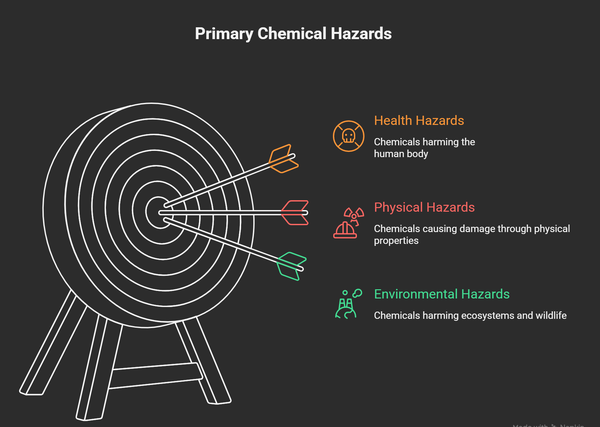
Chemical hazards are typically classified under the Globally Harmonized System (GHS) into three broad categories:
- Health Hazards - Health hazards are chemicals that can harm the human body through inhalation, ingestion, or skin contact. These hazards may cause immediate effects or long-term diseases.
- Physical Hazards - Physical hazards involve chemicals that can cause damage due to their physical or reactive properties rather than toxicity alone.
- Environmental Hazards - Environmental hazards refer to chemicals that can harm ecosystems, wildlife, or water systems.
Understanding these categories helps organizations implement proper controls, labeling, and safety procedures.
| Hazard Type | Description | Examples |
|---|---|---|
| Carcinogens | Chemicals that can cause cancer after prolonged exposure. | Benzene, asbestos, formaldehyde |
| Corrosive Substances | Chemicals that destroy living tissue on contact, causing burns to skin and eyes. | Sulfuric acid, sodium hydroxide |
| Sensitizers | Chemicals that trigger allergic reactions after repeated exposure. | Isocyanates used in paints and foams |
| Irritants | Substances that cause inflammation or discomfort without permanent damage in most cases. | Cleaning chemicals, solvents |
| Flammable & Combustible Chemicals | Substances that ignite easily and may cause fires or explosions. | Gasoline, solvents, alcohol-based products |
| Explosives | Chemicals that can detonate under heat, shock, or friction. | Industrial explosive materials |
| Reactive Chemicals | Substances that react violently with water, air, or other chemicals. | Sodium metal |
| Oxidizers | Chemicals that intensify fires by releasing oxygen. | Hydrogen peroxide, nitrates |
| Compressed Gases | Gases stored under pressure that may explode if containers rupture; may also cause asphyxiation. | Oxygen cylinders, industrial gas tanks |
| Environmental Hazards | Chemicals that harm ecosystems, especially aquatic life. | Lead, persistent pollutants |
Toxic substances can damage organs or cause poisoning when absorbed into the body. Examples include carbon monoxide, lead, and pesticides.
Ways Chemicals Can Enter the Body
Understanding chemical hazards also means understanding how those chemicals can enter the body. A substance may be classified as toxic or corrosive, but the actual risk depends on how exposure happens during the task.
The most common routes of exposure are:
- Inhalation – breathing in vapors, dust, mist, or fumes
- Skin or eye contact – splashes, spills, or direct handling
- Ingestion – eating, drinking, or touching the mouth with contaminated hands
- Injection – chemicals entering through cuts, punctures, or sharp objects
Most workplace exposures happen during routine activities, not emergencies. Paying attention to how chemicals can enter the body makes it easier to choose the right controls, such as ventilation, gloves, eye protection, or safe handling procedures. Controlling these exposure routes is one of the most practical ways to reduce risk
How to Manage Chemical Hazards Safely
Managing chemical hazards requires a structured and consistent approach. Effective chemical safety programs combine planning, communication, and practical controls to reduce risk in daily operations.
A strong program typically includes:
- Hazard Assessments
Regularly evaluate chemical risks, including classifications, exposure routes, and potential health or physical impacts, before work begins. - Proper Labeling and SDS Access
Ensure all containers are correctly labeled and Safety Data Sheets are easily accessible so workers can quickly find hazard and emergency information. - Employee Training
Provide practical training on chemical hazards, safe work practices, and emergency procedures relevant to daily tasks. - Personal Protective Equipment (PPE)
Select and enforce appropriate PPE based on the specific hazard and level of exposure. - Safe Storage and Handling Procedures
Store chemicals according to compatibility rules, maintain ventilation, and follow safe transfer and disposal practices. - Emergency Response Planning
Establish clear procedures for spills, fires, first aid, and incident reporting.
Using a structured SDS management approach further strengthens these efforts. It helps maintain accurate chemical inventories, monitor updates, and ensure employees always have access to the most current safety information when needed.
Final Thoughts
Chemical hazards exist in nearly every industry, but understanding their types and risks makes them manageable. By recognizing health, physical, and environmental hazards, organizations can implement better controls, reduce accidents, and create safer workplaces.
Chemical safety starts with knowledge and continues with proper systems, training, and compliance.
FAQ
What are the main types of chemical hazards in the workplace?
Physical hazards (fire/explosion/reactivity/pressure), health hazards (injury or illness), and environmental hazards (harm to ecosystems).
Where should I look first on an SDS or label to understand hazards?
Start with the label and SDS Section 2 for pictograms, signal word, and hazard statements. Then check Sections 7–8 for handling and PPE.
What’s the difference between acute and chronic chemical hazards?
Acute effects occur soon after exposure (burns, irritation, poisoning). Chronic effects develop over time (organ damage, sensitization, cancer risk).
How can chemicals enter the body in the workplace?
The main routes of exposure are inhalation (breathing in vapors, dust, or fumes), skin or eye contact, ingestion from contaminated hands or surfaces, and injection through cuts or punctures.
Who is responsible for identifying chemical hazards?
Employers must ensure chemicals are properly classified, labeled, and documented, while workers are responsible for following safety procedures and using required protective measures.

Jawad Monzur

As an EHS specialist, Jawad believes that safety happens in the field, not just on paper. With a background in chemical handling, Jawad focuses on hazard mitigation, incident investigation, and hands-on safety training. He is committed to ensuring every team member returns home safe, every single day.