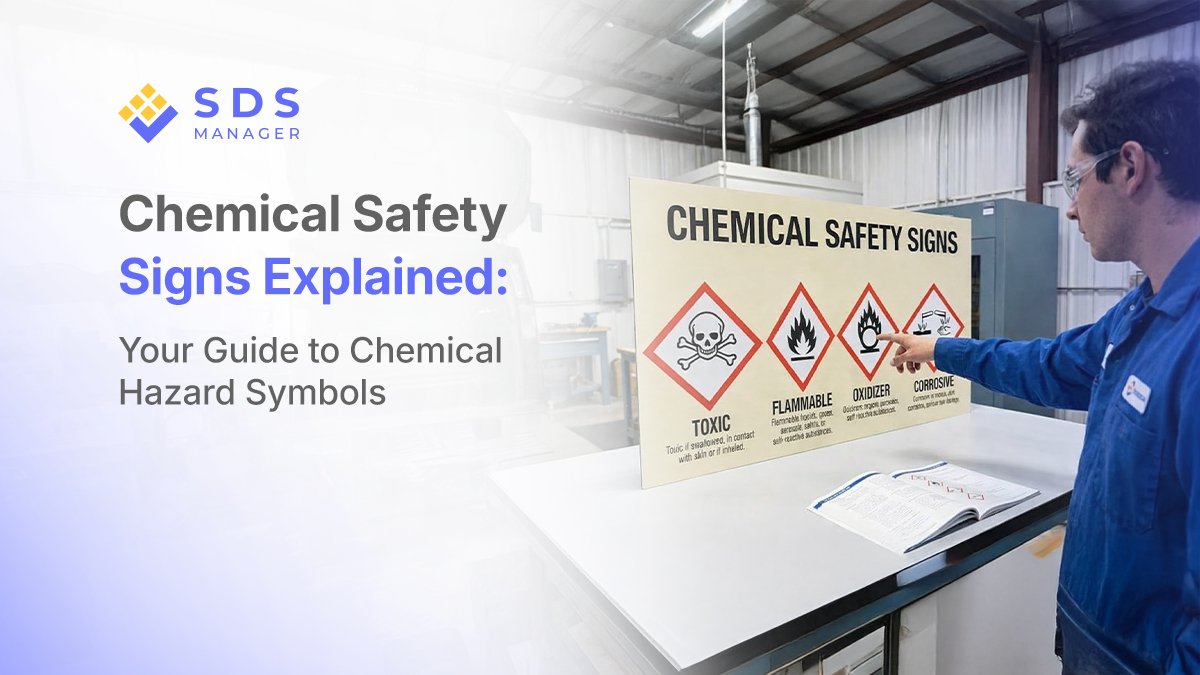
Chemical Safety Signs Explained: Your Guide to Chemical Hazard Symbols
Chemical safety signs are a fundamental part of workplace safety. They exist to warn people about chemical hazards before harm occurs, using clear visual symbols that can be understood instantly.
In workplaces where chemicals are stored, handled, or used, including laboratories, commercial kitchens, healthcare facilities, and industrial sites, safety signs help prevent injuries, contamination, and costly incidents.
This guide explains chemical safety signs and meanings, how chemical safety signs and symbols are used in daily operations, and why lab safety and chemical hazard signs are needed in regulated workplaces.
What Is a Chemical Safety Sign?
A chemical safety sign is a visual warning that alerts people to chemical risks in an area. Instead of long explanations, these signs use familiar symbols so hazards can be recognized quickly. Because the symbols are standardized, they are easy to understand across different workplaces, languages, and experience levels.
Why Chemical Safety Signs Are Important
Chemical hazards are part of many everyday workplaces, not just labs or factories. Common products like cleaners, disinfectants, fuels, and solvents can cause harm if they are handled the wrong way. Chemical safety signs act as simple reminders to slow down, use caution, and follow safe practices. They also help protect visitors or contractors who may not know what chemicals are being used on site.
Chemical Safety Signs and Meanings: Explained Simply
Chemical safety signs are grouped by the type of risk they are meant to warn against. Each sign highlights a specific chemical hazard so people can quickly understand what kind of danger is present and take the right precautions. Below are the most common chemical safety signs you will see in workplaces where chemicals are stored, handled, or used.
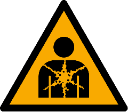
Health Hazard Signs
Health hazard signs indicate substances that may cause serious or long-term health effects. Exposure can lead to respiratory problems, organ damage, reproductive harm, or cancer, depending on the chemical and duration of contact. These signs are commonly seen in laboratories, manufacturing environments, and areas where airborne or absorbed chemicals are present.
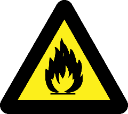
Flammable Material Signs
Flammable material signs warn that a substance can ignite easily when exposed to heat, sparks, or open flames. These chemicals may burn rapidly or cause fires if handled improperly. Such signs are frequently found in storage rooms, laboratories, maintenance areas, and cleaning supply spaces.
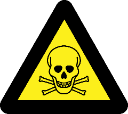
Toxic or Poison Signs
Toxic or poison signs alert users to substances that can cause severe illness or death if inhaled, swallowed, or absorbed through the skin. Even small amounts may be dangerous. These warnings are critical in environments where strong solvents, pesticides, or industrial chemicals are used or stored.

Corrosive Chemical Signs
Corrosive chemical signs identify substances capable of burning skin, damaging eyes, or corroding metals. These chemicals can cause immediate injury upon contact and are often associated with acids, alkalis, and industrial-strength cleaners. Proper handling and protective equipment are essential when these signs are present.

Environmental Hazard Signs
Environmental hazard signs are used for chemicals that pose a threat to wildlife, water systems, or soil if released. These warnings help prevent improper disposal and encourage responsible handling to reduce environmental impact.
Each chemical safety symbol is intentionally simple and highly visible, ensuring it can be understood quickly, even from a distance or in high-pressure situations.
What Chemical Safety Signs Say About a Workplace
Well-maintained chemical safety signs show that safety is taken seriously. They signal that chemical risks have been identified and that steps are in place to reduce harm. This builds confidence among employees, visitors, and inspectors alike.
More importantly, clear signage supports safer daily behavior. It turns safety from a rule into a visible, practical part of the workplace.
Final Thoughts
Chemical safety signs form a universal safety language. When people understand chemical safety signs and meanings, recognize chemical safety signs and symbols, and respect lab safety and chemical hazard signs, workplaces become safer and more predictable.
Clear communication prevents injuries, protects the environment, and supports confident decision-making wherever chemicals are present.
Frequently Asked Questions (FAQs)
Are chemical safety signs required by law?
Yes. Most workplace safety regulations require chemical safety signs to clearly warn of chemical hazards.
What is the difference between chemical safety signs and SDSs?
Safety signs give quick visual warnings, while SDSs provide detailed information on chemical risks and safe handling.
Where should chemical safety signs be placed?
They should be placed near chemical storage, handling areas, and entrances to hazardous locations.
Do chemical safety signs need to be updated?
Yes. Signs should be updated when chemicals, hazards, or regulations change.

Jawad Monzur

As an EHS specialist, Jawad believes that safety happens in the field, not just on paper. With a background in chemical handling, Jawad focuses on hazard mitigation, incident investigation, and hands-on safety training. He is committed to ensuring every team member returns home safe, every single day.