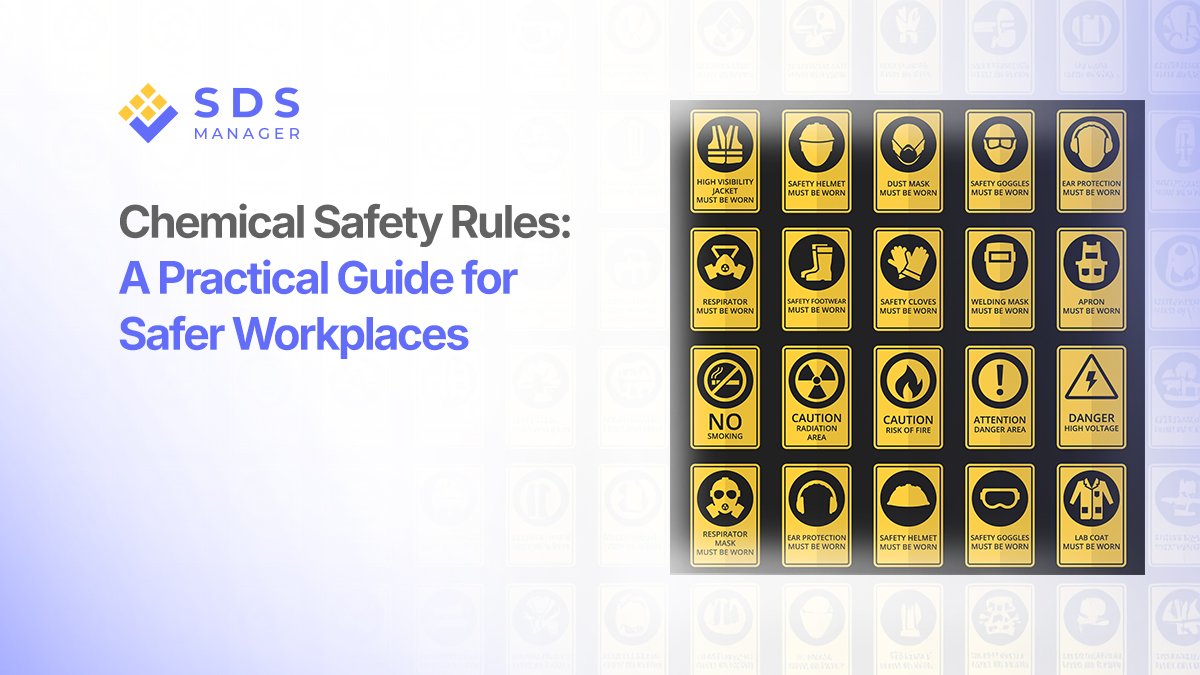
Chemical Safety Rules: A Practical Guide for Safer Workplaces
Chemicals are used every day in industries, laboratories, hospitals, farms, and warehouses. When handled properly, chemicals support safe and efficient operations. Careless use can lead to burns, fires, toxic exposure, and long-term health problems.
Chemical safety rules are designed to prevent these risks. They protect workers, equipment, and the environment. Following these rules also helps workplaces stay compliant with health and safety regulations.
Below are the most important chemical safety rules and how to apply them in real workplaces.
1. Identify and Understand Chemical Hazards
Before working with any chemical, understand what it is and what risks it carries.
Start by reading the product label. Look for hazard pictograms and signal words such as “Danger” or “Warning.” These provide quick safety information.
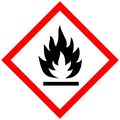
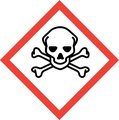
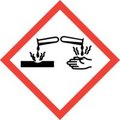
Next, review the Safety Data Sheet (SDS) for every chemical you work with. It covers health hazards, safe handling procedures, required PPE, emergency response steps, and proper storage and disposal. If you are handling a chemical for the first time — or the product has changed - reviewing the SDS beforehand is the simplest way to avoid mistakes before they happen.
2. Follow the Hierarchy of Controls
The Hierarchy of Controls ranks safety measures by effectiveness. It offers a clear way to lower chemical risks.
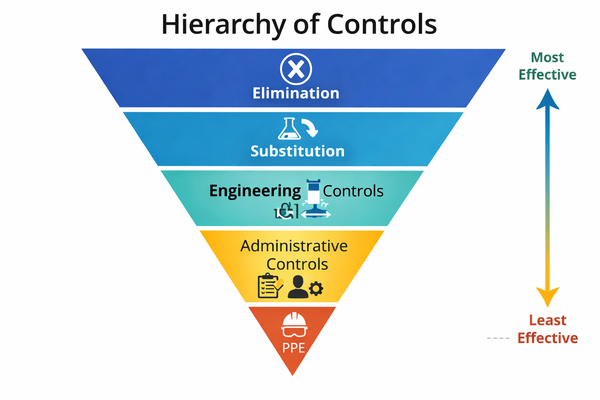
One of the most effective chemical safety rules is to reduce risk at the source.
First, ask whether the hazardous chemical can be removed completely. If it is not needed, eliminate it.
If removal is not possible, consider using a safer alternative or a lower-strength version.
When neither option works, reduce exposure using proper ventilation systems or enclosed processes. Clear work procedures and training also help limit exposure time.
Always use personal protective equipment (PPE), like gloves and goggles, when needed. PPE should enhance other safety measures, not serve as a substitute for them.
This step-by-step method cuts risk. It works well and is easy to follow.
3. Wear the Right Personal Protective Equipment (PPE)
Always choose PPE based on the type of chemical and how exposure may occur.
- Goggles or face shields protect eyes from splashes.
- Chemical-resistant gloves protect hands from burns and irritation.
- Masks or respirators protect against harmful vapors or dust.
- Aprons or lab coats protect clothing and skin.
The Safety Data Sheet (SDS) explains which PPE is needed for each chemical.
PPE is the last line of defense when other controls cannot fully remove the hazard.
4. Ensure Proper Ventilation
Good ventilation prevents harmful fumes from building up.
Use fume hoods, local exhaust systems, or extraction fans when working with chemicals that emit vapors. Never handle volatile substances in closed or poorly ventilated areas.
Inhaling chemical vapors can cause breathing problems and long-term health effects.
5. Label and Store Chemicals Correctly
Improper storage is one of the main causes of chemical accidents.
Store incompatible chemicals separately. For example:
- Keep acids away from bases.
- Store flammable liquids away from heat or sparks.
- Keep oxidizers away from combustible materials.
Label every container clearly, including transfer bottles. Secondary container labels should include:
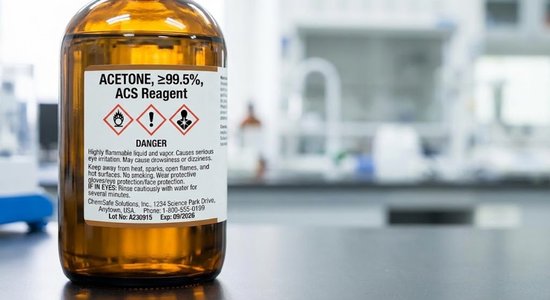
The product name, hazard pictograms, hazard and precautionary statements, and manufacturer details.
Proper chemical storage and labeling prevent spills, fires, and confusion.
6. Follow Safe Handling Practices
Always follow established safe handling practices when working with chemicals. Never mix chemicals unless you have been properly trained and are following the correct procedures.
When diluting acids, always pour acid into water, never water into acid, to prevent dangerous reactions and splashing. Chemicals should be transported in appropriate secondary containers to contain potential spills and reduce exposure risks.
Even small mistakes can lead to serious injuries or the release of toxic fumes, so careful handling is essential at all times.
7. Manage Chemical Waste Responsibly
Chemical safety does not end after use. Waste must be handled carefully.
- Label and seal waste containers properly.
- Do not mix incompatible waste types.
- Keep emergency exits and equipment clear.
- Clean and report spills immediately.
Proper chemical waste management prevents contamination, fires, and environmental damage.
8. Prepare for Chemical Emergencies
Every workplace should have a clear emergency plan.
Workers should know how to use spill kits, eyewash stations, and safety showers. They should also know the emergency exits and first aid procedures.
Regular drills help workers respond quickly and confidently.
Quick action during a chemical spill can prevent serious injuries.
9. Stay Trained and Updated
Regular chemical safety training keeps workers informed.
Participate in safety training sessions. Stay updated on new hazards and safety procedures. Encourage workers to report unsafe conditions.
Ongoing training strengthens workplace safety and supports compliance.
10. Build a Strong Chemical Safety Culture
Chemical safety is not just a checklist. It is a daily practice.
When workers know the hazards, risks go down. They should follow storage rules. Using PPE correctly is key. Proper waste handling also helps reduce risks.
A workplace that cares about chemical safety has fewer accidents. It also has less downtime. Plus, employees feel more confident.
Why Chemical Safety Rules Are Important
Following chemical safety rules keeps people, equipment, and the environment safe. By spotting hazards and using the right controls, workplaces can minimize risks. Wearing PPE and managing waste properly are also key to safety.
A safe workplace does not happen by chance. It is built through awareness, consistency, and shared responsibility.
FAQ
What are the most important chemical safety rules in the workplace?
Read the SDS, follow hazard labels, use proper controls, wear PPE, and store chemicals correctly.
Why is the Safety Data Sheet (SDS) important?
The SDS explains hazards, safe handling, required PPE, storage, and emergency procedures.
What is the Hierarchy of Controls in chemical safety?
It’s a step-by-step system to reduce risk by eliminating, substituting, controlling, and using PPE.
How should chemicals be stored safely?
Store chemicals by compatibility, label clearly, and keep flammables and reactives separated.
How can workplaces prepare for chemical emergencies?
Have an emergency plan, spill kits, safety equipment, and trained staff ready to respond.

Jawad Monzur

As an EHS specialist, Jawad believes that safety happens in the field, not just on paper. With a background in chemical handling, Jawad focuses on hazard mitigation, incident investigation, and hands-on safety training. He is committed to ensuring every team member returns home safe, every single day.