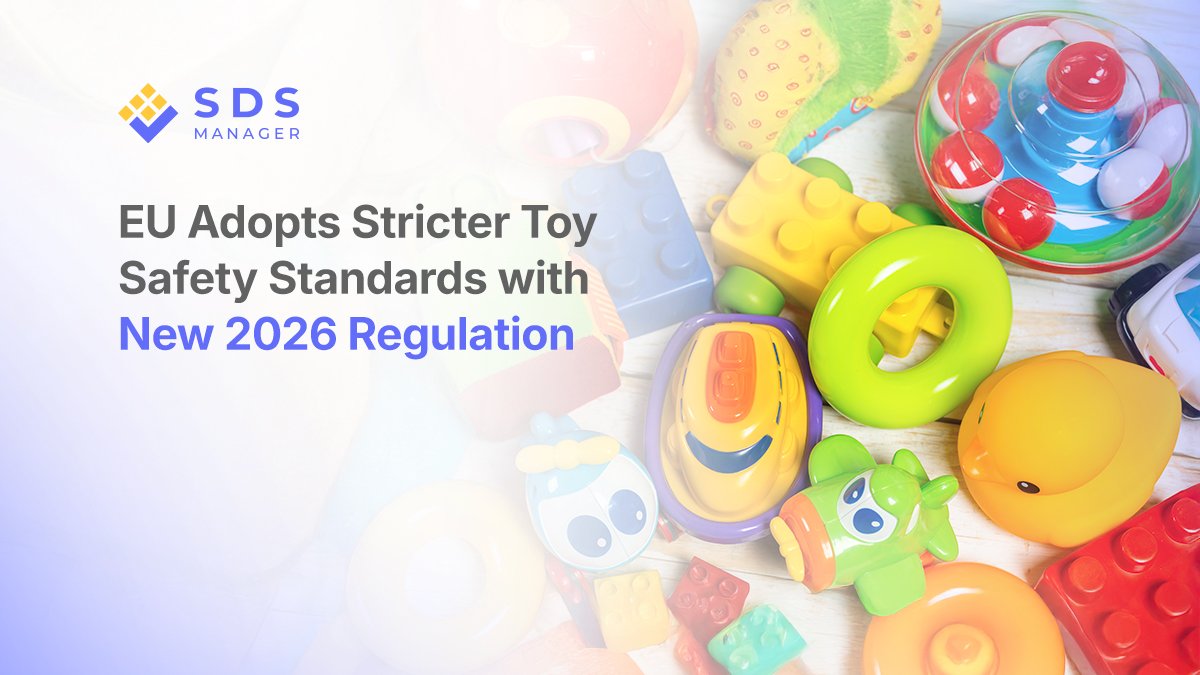
The European Union has adopted a major update to its toy safety framework.
The new Toy Safety Regulation (2025/2509) replaces the old Directive 2009/48 . It marks the most important overhaul of toy safety law in nearly two decades.
Unlike the previous directive, this regulation is directly applicable across all EU Member States, eliminating gaps created by national transposition and harmonizing rules across the internal market.
Key Dates You Need to Know
Entry into Force: January 1, 2026
The regulation formally entered into force at the start of 2026 on January 1st, initiating a structured period for regulatory bodies and industry to prepare.
Transition Period Until August 1, 2030
Rather than requiring immediate compliance with all new requirements, the EU has built in a 4.5‑year transition period.
During this time, toys that comply with the old Directive may still be placed on the EU market, giving you time to adapt your product designs, documentation management, and supply chains.
This phased approach is designed to ensure manufacturers, importers, and supply chain partners can implement changes systematically without disrupting trade or market availability.
What Has Changed
Stronger, Clearer Essential Safety Requirements
Under the new Regulation, toys must offer a high level of protection from all relevant health and safety hazards. With particular focus on physical, mechanical, electrical, and chemical properties, among others.
Risks are assessed not only based on intended use but also foreseeable use considering the behaviour of children, who are especially vulnerable.
This approach reinforces the idea that safety is about anticipating how children actually interact with your products.
Expanded Chemical Restrictions
The toy industry is facing its most significant chemical compliance upgrade in years. The Regulation introduces new substance bans and restrictions that go well beyond the old focus on carcinogenic, mutagenic, and reproductive toxic chemicals (CMRs):
- Endocrine Disruptors: Substances with potential to interfere with hormone systems are prohibited.
- PFAS (“Forever Chemicals”): The intentional use of per- and polyfluoroalkyl substances in toys is banned, reflecting the EU’s broader chemicals strategy.
- Skin and Respiratory Sensitizers: These allergens that can provoke reactions are now restricted.
- Bisphenols: Certain bisphenol compounds are now prohibited in toy materials.
- Hazardous Fragrances: Allergenic fragrances are banned in toys for children under 36 months or toys designed to be put in the mouth.
This expansion aligns with the EU’s objective to protect children from emerging chemical hazards. Which is a key concern of regulators.
Under the new law, manufacturers must consider how chemicals interact in real‑world use (e.g., combined exposures) and how children are likely to encounter them.
Using a chemical compliance software to gather hazard information and spot potential chemical risks early helps you act before problems occur.
Introduction of Digital Product Passports
Perhaps the most transformative change is the introduction of the Digital Product Passport (DPP).
Every toy placed on the EU market will need a digital identifier (such as a QR code or similar data carrier) linking to a digital record containing essential safety and compliance information. This DPP is designed to:
- Enhance traceability of products throughout their lifecycle.
- Improve market surveillance and customs checks, especially for imports.
- Give consumers and authorities efficient access to compliance data.
The digital passport will act as a digital record that will become central to enforcement and transparency across the internal market.
Your Compliance Obligations
Comprehensive Safety Assessments
Before placing a toy on the EU market, you must conduct a full safety assessment that covers chemical, physical, mechanical, electrical, hygiene, and other relevant hazards.
The regulation explicitly requires manufacturers to consider how a toy behaves during foreseeable use by children.
Ensuring your internal technical documentation aligns with these assessments will be crucial for conformity and CE marking.
Economic Operator Roles Clarified
The Regulation reinforces that responsibilities extend across the value chain:
- Manufacturers must ensure products meet all safety requirements and prepare the DPP.
- Importers and distributors must verify compliance and cooperate with market surveillance.
- Online marketplaces will face obligations to display safety information and CE markings for products they list. This aligns with broader EU digital legislation.
Why This Matters for Your Business
This regulation is a strategic pivot in how toy safety is implemented across one of the world’s largest consumer markets.
The new standards:
- Elevate consumer trust by making product safety data universally accessible and transparent.
- Level the playing field between domestic and imported products through common compliance expectations.
- Streamline enforcement and reduce unsafe toys circulating in the EU.
Putting robust systems in place now will position your organization ahead of competitors and reduce risks of non‑compliance as full application approaches in 2030.
Looking Ahead
While the transition period runs until 1 August 2030, the industry’s shift toward digital compliance, expanded safety science, and broader hazard perspectives is already underway.
The regulation’s strong emphasis on prevention and traceability means preparedness is not optional, it’s fundamental to continued market access.
By understanding these changes now, you can take proactive steps to update product design processes, supply chain documentation, testing strategies, and internal compliance checks.
The regulatory landscape for toys is evolving and manufacturers who adapt early will benefit from stronger safety, smoother market access, and greater consumer confidence.

Samiha Fairooz Audrika

Samiha is a workplace safety expert and writer at SDS Manager. She translates complex safety standards into clear, practical guidance rooted in real-world challenges and industry insight. Her work helps businesses strengthen compliance, protect workers, and make safer decisions with confidence.