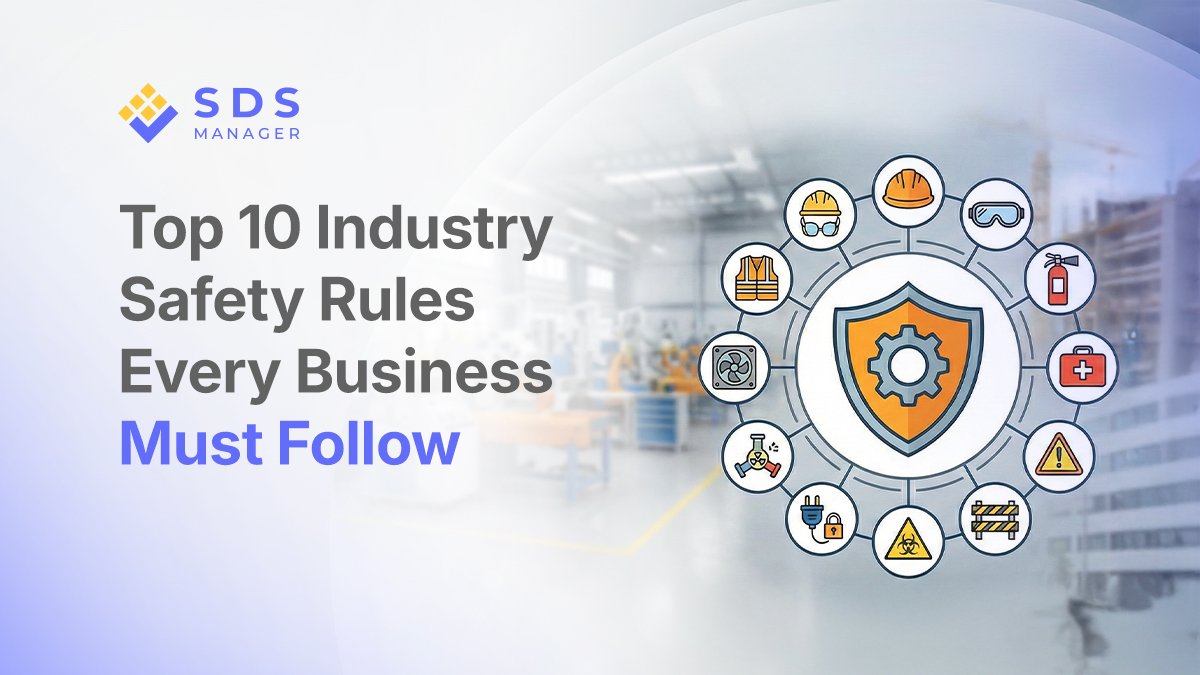
Industry Safety Rules are the non-negotiable ways you prevent people getting hurt, your site getting shut down, or your brand ending up in the news for the wrong reasons.
Safety rules turn broad workplace safety standards into clear, everyday behaviors: how you work, what you wear, how you maintain equipment, and how you respond when something goes wrong. Regulators expect this as a basic duty.
New Zealand law requires employers to keep workplaces free from serious hazards. But getting these rules right isn't just about compliance; it’s about building a stable business that is safer to run and easier to insure.
Why Strong Industry Safety Rules Protect People And Profit
When safety rules aren't followed, workers pay the price. The International Labor Organization says that nearly 3 million people die on the job every year, and hundreds of millions more get injured.
NSC data shows that while injury rates differ by country, preventable accidents are still happening everywhere. The damage to business is just as real. Poor safety rules lead to lost time, broken equipment, expensive fines, and unhappy workers.
Good rules, backed by a living health and safety policy for businesses, cut disruption, improve productivity, and make it easier to attract and keep skilled people.
Top 10 Industry Safety Rules Every Business Must Follow
Most serious incidents trace back to a small set of basics that were missing or ignored.
These ten industry safety rules cover those basics that any business, in any sector, needs to lock in.
1. Create a clear, written health and safety policy
Every business, however small, needs a written policy that explains who is responsible for what, how risks are managed, and how workers can raise concerns.
This is your base for meeting WorkSafe New Zealand’s health and safety policy requirements and other regulations.
2. Identify hazards with regular risk assessment in the workplace
If you skip regular walk-throughs and task reviews, hidden hazards build up until they cause an injury or shut down production.
Formal risk assessment in the workplace should cover physical, chemical, ergonomic, and psychosocial risks, and it must be repeated after changes in equipment, process, or staffing.
3. Run an ongoing employee safety training program
When safety training is a one-off event, skills fade, bad habits spread, and new hires copy whatever they see on the floor.
A real employee safety training program starts at induction, continues with refreshers and toolbox talks, and includes supervisors and managers so they can coach, not just police.
4. Set and enforce PPE requirements in industry
If PPE use is vague or inconsistent, that fragile last line of defense can fail the moment a splash, spark, or object hits.
Define PPE requirements in industry by task, provide quality equipment, check fit, and teach people when to replace items. Back it up with simple rules and fair, consistent enforcement.
5. Keep equipment safe with machine guarding and lockout/tagout
Machines are dangerous if they aren't secured. A simple mistake or a sudden start-up can cause permanent injury.
Always keep safety guards in place and lock the power off (lockout/tagout) before you clean, unjam, or fix equipment. This ensures you are safe from moving parts and electricity.
6. Maintain good housekeeping and safe walkways
If housekeeping is an afterthought, daily clutter, cables, and spills quietly turn walkways into serious slip, trip, and fall hazards.
Your safety rules should cover housekeeping standards, storage rules, waste handling, and how quickly hazards must be cleaned or cordoned off.
7. Strengthen hazard communication and labeling
When hazards and chemical labels are unclear or missing, workers guess their way through risk, which is when shortcuts and serious mistakes happen.
Make hazard communication and labeling part of everyday work: clear labels, up-to-date safety data sheets, simple chemical handling safety rules, and signage that workers actually read and use.
8. Build and test an emergency response plan at work
Without a tested emergency response plan, even a small fire, leak, or medical event can quickly tip into chaos and delayed action.
Your emergency response plan at work should set roles, evacuation routes, assembly points, and communication methods, and you should drill it often enough that people act from habit, not panic.
9. Encourage open incident reporting and investigation
When near misses go unreported or unanalyzed, your workplace loses chances to fix problems before they become serious injuries.
Set safety rules that reward incident reporting and investigation, focus on root causes rather than blame, and share fixes across teams so the same problem does not occur again.
10. Use safety audits and inspections to keep improving
Safety programs that don’t get updated on a regular basis lose effectiveness.
Planning regular safety audits and inspections, tracking actions through to completion, and reviewing trends in injuries, near misses, and inspection findings strengthen the safety culture in organizations over time.
How To Make Industry Safety Rules Stick Day After Day
Rules on paper do nothing without behavior change.
Leaders must follow the same rules as everyone else, call out safe behavior as often as unsafe behavior, and involve workers in designing procedures and checklists.
Keep things visible and simple.
Short pre-shift safety huddles, clear signage, and quick refreshers baked into daily routines make topics like ergonomics and injury prevention feel normal, not like extra paperwork.
Final Thoughts
Enforcing industry safety rules should not be treated as a separate project that lives in a binder.
They are how you run your business: how you plan work, supervise people, maintain equipment, and respond when things change.
Start with a solid policy, tackle the big risks first, involve your team, and keep checking whether the rules still match reality.
Each small improvement reduces the chances of something going badly, keeping your workers safe and your businesses running smoothly.
Frequently Asked Questions
1. What is the first step in setting Industry Safety Rules?
Begin with a written health and safety policy for businesses that explains responsibilities, key risks, and how decisions are made. Then use risk assessment in the workplace to decide which rules matter most.
2. How often should we review our Industry Safety Rules?
Review them at least yearly and after any major change in process, equipment, or staffing. Use safety audits and inspections, plus incident reporting and investigation data, to decide what needs updating.
3. Do small businesses really need formal Industry Safety Rules?
Yes. Even a small team must follow workplace safety standards and basic health and safety law requirements, and clear rules keep everyone on the same page with PPE, training, and emergency response.
4. How can we get employees to follow Industry Safety Rules?
Involve people in writing procedures, run an engaging employee safety training program, and recognize safe behavior. A strong safety culture in organizations grows when rules feel fair, practical, and consistently enforced.
5. Which Industry Safety Rules reduce injuries the fastest?
In most sectors, the biggest early wins come from better housekeeping, clear PPE requirements, safer machine guarding and lockout tagout, and a simple emergency response plan at work that everyone understands.

Zarif Ahmed

An engineer and safety writer by profession, focusing on chemical management, regulatory development, and the patterns that shape workplace practice over time.