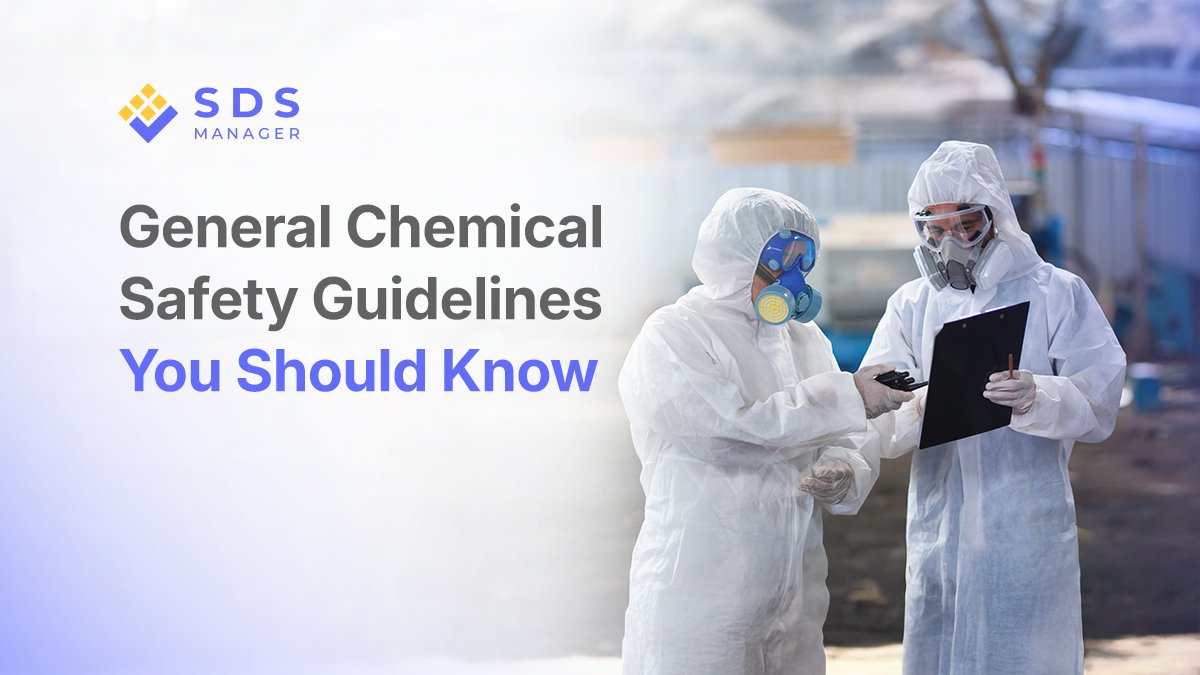
Working with chemicals comes with inherent risks.
But those risks are manageable when you understand and apply general chemical safety guidelines correctly. Good chemical safety is about developing awareness, good habits, and a proactive safety mindset.
This guide walks you through the essential principles of chemical safety in a clear, practical way.
What Are The General Chemical Safety Rules?
1. Start with Hazard Identification and Risk Awareness
Before you handle any chemical, you need to understand what you are working with.
Every chemical presents one or more types of hazards, such as:
- Health hazards (toxic, corrosive, carcinogenic)
- Physical hazards (flammable, explosive, reactive)
- Environmental hazards (harmful to aquatic life or ecosystems)
You should always know:
- What hazards a chemical presents
- How exposure could occur (inhalation, skin contact, ingestion)
- What level of risk exists under normal working conditions
Understanding hazards allows you to take the right precautions before an incident happens.
2. Use Safety Data Sheets as Your Primary Safety Resource
Safety Data Sheets (SDSs) are one of the most important tools in chemical safety. Every hazardous chemical should have an SDS, and you should know how to read and use it.
An SDS tells you:
- The chemical’s hazards and composition
- Safe handling and storage requirements
- Required personal protective equipment (PPE)
- First-aid and emergency response measures
Use a cloud-based SDS management software to make sure SDSs are always updated and accessible. When SDSs are accessible and understood, decision-making becomes faster, safer, and more confident.
3. Follow Proper Labeling and Hazard Communication Practices
Clear labeling is a core element of chemical safety. Labels are often the first warning you see.
Every chemical container should clearly display:
- The product identifier
- Hazard pictograms and signal words
- Hazard and precautionary statements
When chemicals are transferred to secondary containers, labeling must continue. Unlabeled containers create unnecessary risk and confusion, especially during emergencies.
Good hazard communication ensures that everyone understands the risks at a glance.
4. Handle and Store Chemicals Correctly
How you handle and store chemicals directly impacts safety. Many incidents occur not because of the chemical itself, but because of poor storage or careless handling.
You should always:
- Store chemicals according to compatibility (for example, acids away from bases)
- Keep flammable materials away from ignition sources
- Use proper ventilation when handling volatile or toxic substances
- Avoid eating, drinking, or applying cosmetics near chemicals
Storage areas should be organized, labeled, and inspected regularly. When chemicals are stored correctly, the risk of spills, reactions, and exposure drops significantly.
5. Apply the Hierarchy of Controls to Reduce Risk
A part of chemical safety is to control hazards at their source. Safety professionals rely on the hierarchy of controls because it prioritizes the most reliable protections.
In practice, this means:
- Eliminating hazardous chemicals where possible
- Substituting safer alternatives
- Using engineering controls such as ventilation systems or closed processes
- Implementing administrative controls like procedures and training
- Relying on PPE only when other controls cannot fully eliminate risk
6. Wear the Right Personal Protective Equipment
When exposure cannot be fully controlled, PPE becomes essential. The key is choosing the right equipment for the specific chemical and task.
Common PPE includes:
- Chemical-resistant gloves
- Safety goggles or face shields
- Lab coats or protective clothing
- Respirators when required
You should understand not only when to wear PPE, but also its limitations. Improper use or damaged equipment can provide a false sense of security.
7. Prepare for Spills, Exposures, and Emergencies
Even in well-managed environments, accidents can happen. Emergency preparedness is a critical part of general chemical safety guidelines.
You should know:
- Where spill kits, eyewash stations, and safety showers are located
- How to respond to a chemical spill safely
- When to evacuate and who to notify
- What first-aid steps apply to specific exposures
Clear emergency procedures and regular drills help ensure that reactions are calm, fast, and effective when seconds matter.
8. Dispose of Chemicals Safely and Responsibly
You should never pour chemicals down drains, place them in regular trash, or mix waste streams. Always follow the disposal instructions outlined in the Safety Data Sheet and your organization’s waste management procedures.
Best practices include:
- Segregating chemical waste by hazard type
- Using approved, labeled waste containers
- Ensuring containers are sealed and stored properly until disposal
- Coordinating disposal through licensed chemical waste services
When chemicals are disposed of correctly, you reduce long-term risk, protect the environment, and ensure compliance with safety and environmental regulations.
Final Recommendations
Start by reviewing the chemicals you use today. Check that SDSs are accessible, labels are clear, and storage areas are organized. Identify where risks can be reduced through better controls or safer alternatives.
Reinforce training and encourage a culture where safety concerns are addressed, not ignored.
Chemical safety requires consistency, awareness, and commitment. By applying these general chemical safety guidelines, you protect yourself, your colleagues, and your workplace while building safer operations for the long term.

Samiha Fairooz Audrika

Samiha is a workplace safety expert and writer at SDS Manager. She translates complex safety standards into clear, practical guidance rooted in real-world challenges and industry insight. Her work helps businesses strengthen compliance, protect workers, and make safer decisions with confidence.