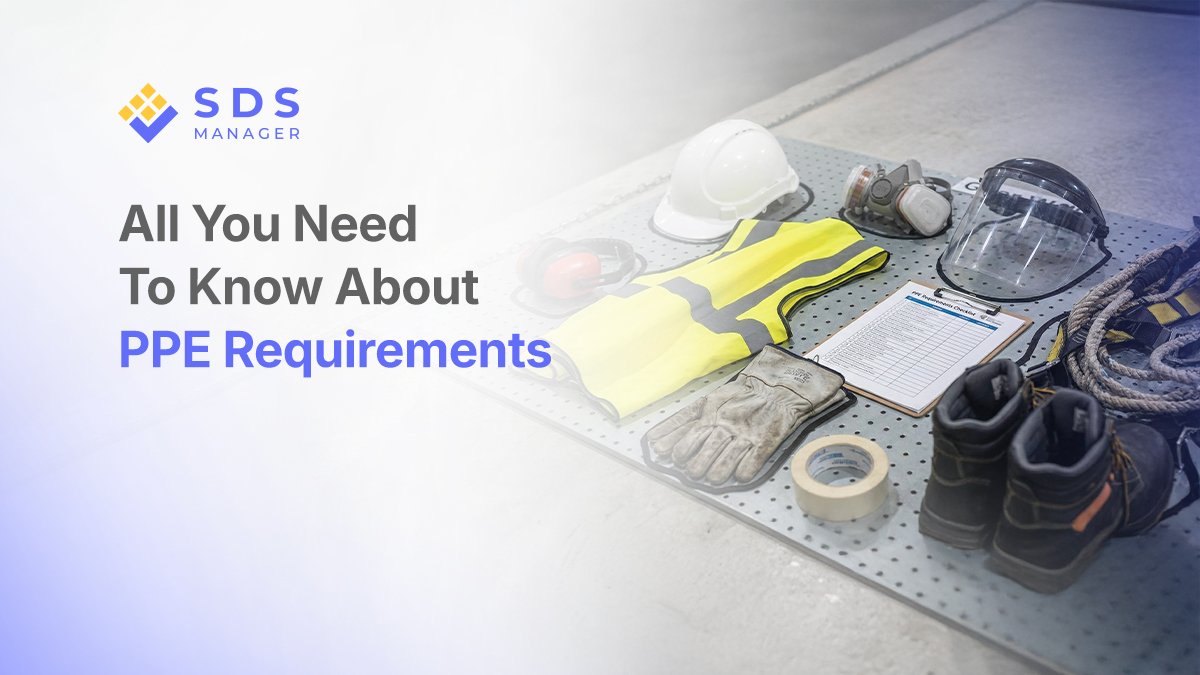
Workplace accidents often lead to injuries, so global safety standards follow the Hierarchy of Controls as a preventive measure. It prioritizes hazard elimination above all else. Personal Protective Equipment (PPE) serves as the last line of defense. When all else fails, PPE protects workers from preventable harm.
To meet strict PPE requirements, workers must rely on this gear as the final barrier against risks that cannot be removed.
This guide covers what you need to know about preventing workplace injuries, achieving legal compliance, and keeping your team safe through proper PPE selection, training, and the 4 protection levels.
What Is PPE?
Personal Protective Equipment or PPE is specialized gear designed to protect workers from workplace hazards that could cause serious injuries or illnesses.
Think chemical splashes, flying debris, harmful particles in the air, extreme temperatures, or impacts that could hurt you.
Here's the thing: according to the Canadian Centre for Occupational Health and Safety (CCOHS), PPE should be your backup plan, not your first choice.
Your employer should try to eliminate dangers through better equipment design or safer work procedures first (the Hierarchy of Controls).
When those options aren't enough, that's when PPE comes into play.
Types of PPE
Different jobs need different protection. Here's what's available:
- Head Protection: Hard hats (CSA Z94.1) guard against physical impact from falling objects and bumps
- Eye and Face Protection: Safety glasses, goggles, and face shields (CSA Z94.3) keep flying debris, chemicals, and bright light away from your eyes and face
- Respiratory Protection: From N95 masks to full breathing apparatus (CSA Z94.4), these filter out harmful airborne particles and contaminants
- Hand and Arm Protection: Gloves made from leather, nitrile, neoprene, or cut-resistant materials protect against chemicals, cuts, and heat
- Foot and Leg Protection: CSA-certified steel-toe boots (CSA Z195) prevent crushing injuries, slips, and chemical burns
- Body Protection: Lab coats, coveralls, aprons, and chemical suits shield your skin from spills, heat, and contamination
- Hearing Protection: Earplugs and earmuffs (CSA Z94.2) reduce noise to safe levels (prolonged loud noise can permanently damage your hearing)
- Fall Protection: Harnesses and lanyards keep you safe when working at heights
Legal and Regulatory PPE Requirements
Federal and provincial laws, such as the Canada Occupational Health and Safety Regulations (COHSR), lay out clear rules: employers must assess hazards and ensure the right PPE is used.
Training is mandatory too. You need to know when to use PPE, which type to grab, how to wear it correctly, and how to take care of it.
Most PPE in Canada must meet standards set by the CSA Group (Canadian Standards Association).
What Employers Must Do:
- Assess workplace hazards
- Pick the right PPE for each job (referencing CSA standards)
- Ensure equipment fits properly
- Keep equipment clean and in good shape
- Train workers on proper use and limitations
What Employees are Responsible For:
- Using your PPE the right way
- Showing up for training sessions
- Checking equipment before each use
- Reporting any damage or defects immediately
What Are the 4 Levels of PPE?
When dealing with hazardous materials, PPE is often classified into protection levels (internationally known as Levels A, B, C, and D):
1. Level A Protection
This is the maximum protection you can get. You'll wear a fully sealed chemical suit (gas-tight), self-contained breathing apparatus, chemical gloves, and steel-toe boots.
Level A is for situations where you're dealing with unknown or highly toxic substances that could harm your skin.
2. Level B Protection
Level B gives you top respiratory protection but slightly less skin coverage.
You'll still have a self-contained breathing apparatus and hooded chemical clothing.
This is typically the starting point for emergency responders until they know exactly what they're dealing with.
3. Level C Protection
This level works when you know what's in the air, have measured the concentrations, and skin contact is unlikely.
You'll use air-purifying respirators (not supplied air), plus chemical-resistant clothing, gloves, and boots.
4. Level D Protection
The bare minimum. This is basically your standard work uniform with coveralls, safety shoes, and safety glasses.
It only protects against minor contamination, nothing serious.
Proper Use and Maintenance of PPE
Having PPE doesn't help if you're not using it right. Always inspect your equipment before putting it on.
Look for tears, cracks, worn spots, or anything that seems off. Make sure it fits snugly but not too tight.
Putting It On and Taking It Off
Order matters, especially around contaminants. When putting on PPE, wash your hands first, then add body protection, headgear, eye protection, gloves, and finally respiratory gear.
When you're done, reverse that order: gloves off first, then eye protection, body gear, respiratory equipment, and headgear last. Always wash your hands afterward.
Keeping It Clean and Working
Clean your equipment after every use following the manufacturer's instructions. Store everything in a clean, dry spot away from sunlight, heat, and chemicals. These factors can break down materials faster than normal wear and tear.
Replace PPE immediately if you spot tears, punctures, excessive wear, or if it's past its expiration date. Broken equipment won't protect you when you need it most.
PPE in Specific Industries
Construction
Construction sites are full of hazards: things falling from above, debris flying around, electrical dangers, and fall risks.
At minimum, you'll need a hard hat, safety glasses, high-visibility vest, CSA-approved boots, and protective gloves.
Specialized jobs require extra gear. Welders need face shields, electricians need flame-resistant clothing, and anyone working at heights needs fall protection harnesses.
Healthcare
Medical workers face biological threats and bloodborne pathogens daily. Standard protection includes medical gloves, face masks, eye protection, and fluid-resistant gowns.
When treating patients with airborne diseases, properly fitted N95 respirators become essential.
Manufacturing
Factory floors vary widely, so PPE needs change based on what you're doing.
You might need hearing protection near loud machinery, chemical-resistant gloves when handling solvents, or heat-resistant gear near furnaces.
Machine operators typically stick with safety glasses, steel-toe boots, and machine-specific guards.
Laboratory Settings
Lab work involves chemical and biological hazards that demand careful protection.
The basics are lab coats, safety goggles, and chemical-appropriate gloves.
Working with volatile chemicals or biological agents means adding respiratory protection to your setup.
Final Thoughts
PPE requirements exist for one reason: to protect you from hazards that can't be eliminated any other way. Knowing what you need, how to use it, and how to maintain it keeps you safe on the job.
Your employer must provide the right equipment, but you've got to do your part by using it correctly. Remember, PPE is your safety net, not your primary protection.
Stay informed about what your industry requires. If your equipment doesn't fit right or seems damaged, speak up immediately. Your safety depends on
Frequently Asked Questions
Who is responsible for paying for PPE?
In federally regulated workplaces and many provinces (like Quebec and Saskatchewan), employers must provide required PPE at no cost. However, in some provinces (like British Columbia and Alberta), payment for personal items like safety footwear or general clothing may be the worker's responsibility or negotiated in your contract.
How often should PPE be inspected?
Check it visually before every single use. Depending on the equipment type and manufacturer recommendations, do more thorough inspections at regular intervals.
Can I use my own PPE at work?
Only if your employer approves it. Your gear must meet relevant CSA standards (like CSA Z195 for boots or Z94.3 for eyewear) and provide the correct level of protection for the specific hazards you face.
What should I do if my PPE doesn't fit properly?
Tell your supervisor right away. Poorly fitting equipment doesn't protect you properly and can even create new hazards, so you need properly sized gear.
Does PPE expire?
Absolutely. Respirators, filters, and certain chemical-resistant materials break down over time, even if you never use them. Always check expiration dates.

Zarif Ahmed

An engineer and safety writer by profession, focusing on chemical management, regulatory development, and the patterns that shape workplace practice over time.