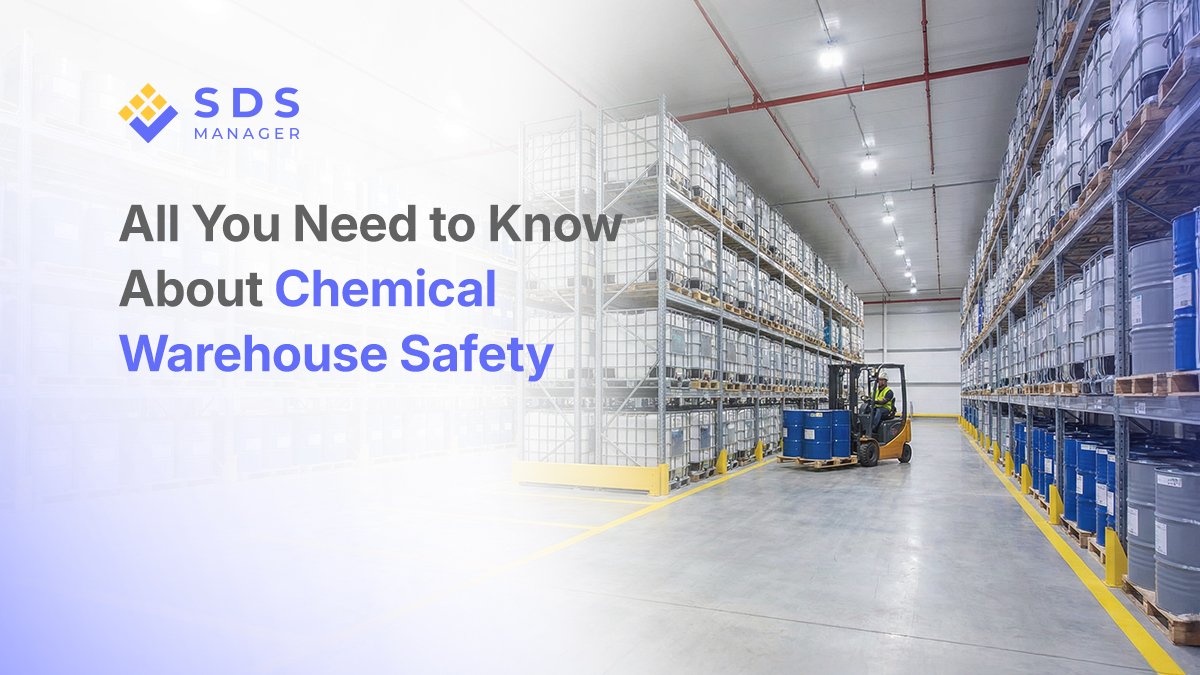
Chemical warehouses are risky places where one wrong move can cause serious harm including spills, combustions and reactions that destroy your chemical inventory. Understanding proper storage and handling procedures keeps these spaces safe and operational.
In this article we walk you through what risks chemical storage in a warehouse includes and how to protect your workers and keep your facility running smoothly.
The Biggest Dangers in Chemical Storage
Fire and Explosion Risks
Flammable liquids are the most common threat in chemical warehouses. These materials can ignite from sparks, heat sources, or static electricity.
Store them in approved safety cabinets designed to contain fire for at least 10 minutes to comply with Australian Standards, and follow the volume limits set by AS 1940:2017. This delay acts like a shield, giving workers enough time to escape before the inventory inside catches fire.
Remove all ignition sources from storage areas, including open flames, hot work activities, and electrical equipment that isn't rated for hazardous (classified) locations.
Toxic Chemical Exposure
Many chemicals release harmful vapors that can cause immediate or long-term health problems in workers.
Good ventilation is your primary defense against toxic exposure. Your warehouse needs continuous air exchange, especially in chemical storage zones, and you should never recirculate air from these areas back into regular workspaces.
Chemical Reactions and Incompatibility
Certain chemicals create violent reactions when they contact each other.
Acids and bases generate heat and dangerous fumes, while oxidisers make fires burn faster and hotter.
Keep incompatible chemicals separated by a safe distance, typically 3 metres or more, or install fire-resistant barriers between them.
Many Australian warehouses use GHS-compliant labelling and color-coded systems to prevent errors: red for flammables, yellow for reactives, blue for toxics, and white for corrosives.
Recommended Safety Measures
Set Up Proper Containment Systems
Chemical spills need immediate containment to prevent contamination and worker exposure.
Every storage area needs secondary containment like bunded pallets or floor curbing to capture leaked materials.
These systems should hold at least 110% of the largest container's volume, and you should place spill kits in accessible locations throughout your warehouse for quick response.
Install the Right Ventilation
Good air flow removes toxic vapors before they build up to dangerous levels.
Use fans and exhaust systems that pull air out of storage areas to meet state-specific WHS ventilation requirements.
Make sure these systems run all the time, not just during work hours.
Check your air quality often to catch problems early. This helps ensure your ventilation is keeping exposure levels below the Workplace Exposure Limits (WELs) set by Safe Work Australia.
Keep Chemicals Separated
Chemical separation is one of the most critical yet straightforward safety measures. Different chemical classes need their own storage zones.
Store acids away from bases, keep oxidisers away from flammable materials, and keep water-reactive chemicals away from moisture sources to prevent them from reacting.
Use your color-coded system with clear zone markings to prevent storage errors, especially during busy periods or when training new employees.
Training Your Team for Safety
What Workers Need to Know
Every employee handling chemicals needs thorough training on GHS classification, Safety Data Sheet (SDS) interpretation, and PPE usage.
Focus training on practical, facility-specific scenarios using actual examples from your warehouse.
Run refresher training sessions throughout the year to maintain knowledge and address any new hazards added to your facility.
Emergency Preparedness
Create detailed emergency response plans that cover everything from minor spills to major chemical releases.
Make sure every worker understands their specific role during emergency situations.
Install emergency showers and eyewash stations within a 10-second walking distance of all chemical handling areas in accordance with AS 4775.
This allows workers who splashed to easily access it and wash off the harmful chemicals as a first aid response.
Test this equipment monthly, and work with local emergency services by sharing your chemical inventory and site plan.
Regular Inspections
Walk through storage areas monthly to identify damaged containers, leaking valves, corroded racks, or other potential hazards.
Schedule annual professional inspections for thorough facility assessments.
Document all inspection findings and fix identified problems quickly. Keep these records as evidence of your safety commitment and to track recurring issues.
Why Chemical Warehouse Safety Matters
Storing chemicals presents unique challenges that standard warehouses never face.
These materials can ignite, explode, release toxic fumes, or create dangerous reactions when stored incorrectly.
The statistics show serious concerns. In Australia, thousands of workers are exposed to hazardous chemicals annually, leading to serious injuries, illnesses, or long-term health complications.
Around 15% of major chemical disasters happen in storage facilities rather than during transport or processing.
Key Compliance Requirements
Beyond safety practices, following regulations is essential. In Australia, the WHS Regulations require proper labelling and SDS for every chemical.
AS 1940:2017 sets the national standards for fire and explosion protection, covering indoor storage limits, cabinet specifications, and fire suppression requirements.
Keep your documentation current and organised to show compliance during state or territory regulator inspections.
Final Thoughts
Protecting your warehouse starts with checking current practices against established safety standards.
Look at the biggest risks first. Fix the most dangerous issues before tackling smaller concerns.
Remember that safety isn't something you set up once and forget. It needs regular attention through training, inspections, and updates.
Your workers, your business, and your community all depend on you getting this right.
Frequently Asked Questions
What are the main hazards in chemical warehouses?
Fire and explosion risks, breathing in toxic fumes, skin contact with corrosive materials, and dangerous reactions between incompatible chemicals. Good separation and ventilation prevent most of these problems.
How often should chemical storage areas be inspected?
Walk through your storage areas monthly to spot issues. Bring in a professional inspector once a year for a detailed review, especially if you store corrosive materials.
What training do employees need for chemical warehouse work?
Workers need to learn how to read Safety Data Sheets, use protective equipment properly, and respond to emergencies. Under Australian WHS laws, PCBUs must provide information, training, and instruction to anyone handling hazardous chemicals.
What's the difference between flammable and combustible liquids?
Flammable liquids have a flashpoint below 60°C, while combustible liquids have a flashpoint above 60°C. Both need special storage, but flammable liquids require stricter controls under AS 1940:2017.
How much chemical can be stored in a single cabinet?
Under AS 1940:2017, the maximum capacity for a single flammable liquid cabinet in many settings is 250 litres, though stricter limits of 100 litres often apply in specific areas like labs.

Zarif Ahmed

An engineer and safety writer by profession, focusing on chemical management, regulatory development, and the patterns that shape workplace practice over time.