

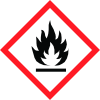

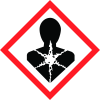
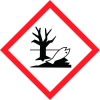
Opmerking: Ingrediënten vermeld op de lijst met beperkte chemicaliën
EG/CAS
64742-49-0
Naam van de chemische stof
Naphtha (petroleum), hydrotreated light; Low boiling point hydrogen treated naphtha (A complex combination of hydrocarbons obtained by treating a petroleum fraction with hydrogen in the presence of a catalyst. It consists of hydrocarbons having carbon numbers predominantly in the range of C4 through C11 and boiling in the range of approximately - 20 °C to 190 °C.)
Concentratie
N/A
EG/CAS
64742-52-5
Naam van de chemische stof
Distillates (petroleum), hydrotreated heavy naphthenic; Base oil — unspecified (A complex combination of hydrocarbons obtained by treating a petroleum fraction with hydrogen in the presence of a catalyst. It consists of hydrocarbons having carbon numbers predominantly in the range of C20 through C50 and produces a finished oil with a viscosity of at least 19 10-6 m2.s-1 at 40 °C. It contains relatively few normal paraffins.)
Concentratie
N/A
EG/CAS
7440-02-0
Naam van de chemische stof
Nickel
Concentratie
N/A
EG/CAS
106-97-8
Naam van de chemische stof
n-Butan, enthält 0,1% Butadien
Concentratie
N/A
EG/CAS
67-56-1
Naam van de chemische stof
Methanol
Concentratie
N/A
EG/CAS
7429-90-5
Naam van de chemische stof
Aluminium
Concentratie
N/A
EG/CAS
7782-42-5
Naam van de chemische stof
Graphite
Concentratie
N/A
EG/CAS
265-151-9
Naam van de chemische stof
Naphtha (petroleum), hydrotreated light; Low boiling point hydrogen treated naphtha (A complex combination of hydrocarbons obtained by treating a petroleum fraction with hydrogen in the presence of a catalyst. It consists of hydrocarbons having carbon numbers predominantly in the range of C4 through C11 and boiling in the range of approximately - 20 °C to 190 °C.)
Concentratie
N/A
EG/CAS
265-155-0
Naam van de chemische stof
Distillates (petroleum), hydrotreated heavy naphthenic; Base oil — unspecified (A complex combination of hydrocarbons obtained by treating a petroleum fraction with hydrogen in the presence of a catalyst. It consists of hydrocarbons having carbon numbers predominantly in the range of C20 through C50 and produces a finished oil with a viscosity of at least 19 10-6 m2.s-1 at 40 °C. It contains relatively few normal paraffins.)
Concentratie
N/A
EG/CAS
231-111-4
Naam van de chemische stof
Nickel
Concentratie
N/A
EG/CAS
203-448-7
Naam van de chemische stof
n-Butan, enthält 0,1% Butadien
Concentratie
N/A
EG/CAS
200-659-6
Naam van de chemische stof
Methanol
Concentratie
N/A
EG/CAS
231-072-3
Naam van de chemische stof
Aluminium
Concentratie
N/A
Algemene Informatie
Datum van herziening:
2017-07-18
A. Productnaam:
725 Nickel Anti-Seize Compound (Aerosol)
Icoon in VIB
Bedrijf Informatie
bedrijf
A.W. CHESTERTON COMPANY
ProductMSDSs@chesterton.com, customer.service@chesterton.com
GHS informatie
signaal woord
Gevaar
Hazard Codes
Gevarenaanduidingen (CLP)
H222, H229, H315, H317, H336, H351, H372, H411
Gevarenaanduidingen
Code
Jaarrekening
H222
Zeer licht ontvlambare aerosol.
H229
Houder onder druk: kan openbarsten bij verhitting
H315
Veroorzaakt huidirritatie.
H317
Kan een allergische huidreactie veroorzaken.
H336
Kan slaperigheid of duizeligheid veroorzaken.
H351
Verdacht van het veroorzaken van kanker.
H372
Veroorzaakt schade aan organen bij langdurige of herhaalde blootstelling.
H411
Giftig voor in het water levende organismen, met langdurige gevolgen.
Sectie 2
2.1. Indeling van de stof of het mengsel
2.1.1. Indeling volgens verordening (EG) nr. 1272/2008 [CLP] / GHS Aerosol 1, H222 Skin Irrit. 2, H315 Skin Sens. 1, H317 STOT SE 3, H336 Carc. 2, H351 (inademing) STOT RE 1, H372 (longen, inademing) Aquatic Chronic 2, H411
Extra informatie
Zie RUBRIEKEN 2.2 en 16 voor de volledige tekst van H-zinnen. Geen
2.2 Etiketteringselementen
Etikettering volgens verordening (EG) nr. 1272/2008 [CLP] / GHS
Gevarenpictogrammen
Signaalwoord: Gevaar
Gevarenaanduidingen
H222 Zeer licht ontvlambare aerosol. H229 Houder onder druk: kan open barsten bij verhitting. H315 Veroorzaakt huidirritatie. H317 Kan een allergische huidreactie veroorzaken. H336 Kan slaperigheid of duizeligheid veroorzaken. H351 Verdacht van het veroorzaken van kanker bij inademing. H372 Veroorzaakt schade aan de longen bij langdurige of herhaalde blootstelling aan inademing. H411 Giftig voor in het water levende organismen, met langdurige gevolgen.
Voorzorgsmaatregelen
P201 Alvorens te gebruiken de speciale aanwijzingen raadplegen. P210 Verwijderd houden van warmte, hete oppervlakken, vonken, open vuur en andere ontstekingsbronnen. Niet roken. P211 Niet in een open vuur of op andere ontstekingsbronnen spuiten. P251 Ook na gebruik niet doorboren of verbranden. P260 Damp/spuitnevel niet inademen. P280 Beschermende handschoenen en oogbescherming dragen. P308/313 NA (mogelijke) blootstelling: een arts raadplegen. P410/412 Tegen zonlicht beschermen. Niet blootstellen aan temperaturen boven 50 °C.
2.3 Andere gevaren
Geen


