


Note: Ingredients listed on restricted chemical lists
EC/CAS
112-34-5
Name of the chemical
2-(2-butoxyethoxy)ethanol
Concentration
N/A
EC/CAS
106-97-8
Name of the chemical
n-Butan, enthält 0,1% Butadien
Concentration
N/A
EC/CAS
75-28-5
Name of the chemical
iso-Butan, enthält 0,1% Butadien
Concentration
N/A
General Information
Revision date
2017-04-06
Product name
Crack Testing Agent Penetrant
1.2.1 Relevant identified uses
Technical aerosol, cleaning agent
Icons in SDS
Company Information
company name
WEICON Inc
e-mail address of the competent person responsible for the Safety Data Sheet
info@weicon.ca, msds@weicon.de
GHS Information
Signal word
Danger
Section 2
SECTION 2: Hazards identification
29 CFR 1910.1200) identification Emergency overview Appearance: Form: Aerosol Color: red Odor: characteristic
2.1 Classification of the substance or mixture
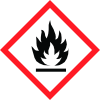
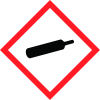
Flammable Aerosol 1; Compressed Gas; Eye Irritation 2A; Sensitization - skin 1; Aquatic toxicity - chronic 3;
Signal word
Danger
Hazard statements
Extremely flammable aerosol. Contains gas under pressure; may explode if heated. May cause an allergic skin reaction. Causes serious eye irritation. Harmful to aquatic life with long lasting effects. Page: 2 of 11
Precautionary statements
Keep away from heat, hot surfaces, sparks, open flames and other ignition sources. No smoking. Do not spray on an open flame or other ignition source. Do not pierce or burn, even after use. Avoid breathing dust/fume/gas/mist/vapors/spray. Wash hands and face thoroughly after handling. Contaminated work clothing should not be allowed out of the workplace. Avoid release to the environment. Wear protective gloves/protective clothing/eye protection. IF ON SKIN: Wash with plenty of water/soap. IF IN EYES: Rinse cautiously with water for several minutes. Remove contact lenses, if present and easy to do. Continue rinsing. Specific treatment (see ' First aid ' on this label). If skin irritation or rash occurs: Get medical advice/attention. If eye irritation persists: Get medical advice/attention. Wash contaminated clothing before reuse. Protect from sunlight. Store in a well-ventilated place. Protect from sunlight. Do not expose to temperatures exceeding 50 °C/122 °F. Dispose of contents/container to hazardous or special waste collection point. Regulatory status This material is considered hazardous by the U.S. OSHA Hazard Communication Standard (29 CFR 1910.1200) and SIMDUT in Canada.
2.3 Other hazards
Potentially explosive mixtures may form if adequate ventilation is not provided. Inhaling can lead to irritations of the respiratory tract and mucous membrane. Higher doses may lead to a narcotic effect. see section 11: Toxicological information 3. 3. Composition



