

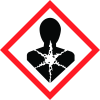
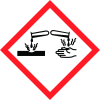
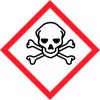
Note: Ingredients listed on restricted chemical lists
EC/CAS
75-09-2
Name of the chemical
Methylene chloride
Concentration
30.0-60.0%
EC/CAS
108-95-2
Name of the chemical
Phenol
Concentration
<5.0%
EC/CAS
1310-58-3
Name of the chemical
potassium hydroxide
Concentration
<1.0%
General Information
Revision date
2019-05-04
Product name
( le<
1.2.1 Relevant identified uses
Spray gun cleaning
Icons in SDS


Company Information
company name
W. M. Barr
GHS Information
Signal word
Danger
Section 2
SECTION 2: Hazards identification
OSHA Acute Toxicity: Inhalation, Category 3 Skin Corrosion/Irritation, Category 1B Serious Eye Damage/Eye Irritation, Category 1 Germ Gell Mutagenicity, Category 1A Carcinogenicity, Category 1B Specific Target Organ Toxicity (repeated exposure), Category 2 Aspiration Toxicity, Category 1 GLY CEP
Signal word
Danger
Hazard statements
May be fatal if swallowed and enters airways. Causes severe skin burns and eye damage. Causes serious eye damage. Toxic if inhaled. May cause genetic defects. May cause cancer. May cause damage to organs through prolonged or repeated exposure.
Precautionary statements
Obtain special instructions before use Do not handle until all safety precautions have been read and understood. Do not breathe gas/mist/vapors/spray. Wash hands thoroughly after handling. Use only outdoors or in a well-ventilated area. Wear protective gloves/protective clothing/eye protection/face protection. Use personal protective equipment as required.
Response
IF SWALLOWED: Immediately call a POISON CENTER or doctor/physician. IF ON SKIN (or hair): Remove/take off immediately all contaminated clothing. Rinse skin with water/shower. IF INHALED: Remove victim to fresh air and keep at rest in a position comfortable for breathing. IF IN EYES: Rinse cautiously with water for several minutes. Remove contact lenses, if present and easy to do. Continue rinsing. IF exposed or concerned: Get medical attention/advice. Immediately call a POISON CENTER or doctor/physician. Get medical attention/advice if you feel unwell. Licensed to W.M. Barr and Company GHS format Klean-Strip Naked Gun Spray Gun Paint Revision: 08/01/2019 Remover Supersedes Revision: 06/16/2017 Specific treatment see label. Do NOT induce vomiting. Wash contaminated clothing before reuse.
Storage
Store container tightly closed in well-ventilated place. Store locked up. Dispose of contents/container according to local, state and federal regulations.
Potential health effects
Inhalation Acute Exposure Effects: (Acute and Chronic): Vapor harmful. May cause upper respiratory tract irritation and central nervous system depression with symptoms such as confusion, lightheadedness, nausea, vomiting, headache, and fatigue. Causes formation of carbon monoxide in blood which may affect the cardiovascular system and central nervous system. Continued exposure may cause unconsciousness and even death. Intentional misuse by deliberately concentrating and inhaling this product may be harmful or fatal. Inhalation may result in spasm, inflammation and edema of the farynx and bronchi, chemical pneumonitis, and pulmonary edema. Lung sensitizer. Skin Contact Acute Exposure Effects: Harmful if absorbed through skin. Product may be absorbed through skin. Causes severe burns. May cause effects ranging from mild irritation to severe pain and burns, depending on the intensity of contact. Skin sensitizer. Eye Contact Acute Exposure Effects: This material is an eye irritant. Causes severe burns, Vapors may cause eye irritation. Contact may cause tearing, redness, a stinging or burning feeling, swelling, and blurred vision. May cause corneal injury and blindness. Ingestion Acute Exposure Effects: Harmful or fatal if swallowed. May cause nausea or vomiting. If vomiting results in aspiration to the lungs, chemical pneumonia could occur. Aspiration can result in severe lung damage or death. Absorption through the gastrointestinal tract may produce central nervous system depression. Chronic Exposure Effects: Reports have associated repeated and prolonged overexposure to solvents with neurological and other physiological damage. May cause irreversible brain and nervous system damage. May cause liver damage. May cause cancer based on animal data.
Potential chronic health
of ingestion and subsequent aspiration into the lungs may cause pneumatocele (lung cavity) formation and chronic lung dysfunction. Additional Data: Alcohol may enhance the toxic effects. May cross the placenta. May be excreted in breast milk. Concurrent exposure to carbon monoxide, smoking, or physical activity may increase the level of carboxyhemoglobin in the blood resulting in additive effects. Target Organs: blood, central nervous system, liver, kidneys, lungs, upper respiratory tract, skin, cardiovascular system, eyes Licensed to W.M. Barr and Company GHS format Remover Supersedes Revision: 06/16/2017
Principle Routes of Exposure
skin absorption, inhalation, ingestion Medical Conditions Generally diseases of the blood, skin disorders, liver disorders, kidney disorders, heart or Aggravated By Exposure: cardiovascular disorders, nervous system disorders, respiratory system (including asthma and other breathing disorders), and allergies



