

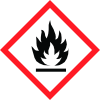



Note: Ingredients listed on restricted chemical lists
EC/CAS
64741-42-0
Name of the chemical
Naphtha (petroleum), full-range straight-run
Concentration
N/A
EC/CAS
265-042-6
Name of the chemical
Naphtha (petroleum), full-range straight-run
Concentration
N/A
General Information
Revision date
2019-10-06
Product name
CONDENSATE
CAS No.
64741-42-0
1.2.2. Uses advised against
Anything other than the above
Icons in SDS
Company Information
company name
Vitol SA
GHS Information
Signal word
Danger
Hazard Codes
Hazard statements (CLP)
H224, H304, H315, H336, H340, H350, H361fd, H411
Hazard statements
Code
Statements
H224
Extremely flammable liquid and vapour
Section 2
SECTION 2: Hazards identification
According to Regulation (EC) No. 1272/2008 (CLP)]
2.1 Classification of the substance or mixture
2.1.1 Regulation (EC) No. 1272/2008 (CLP) Flam. Liq. 1; H224 Asp. Tox. 1; H304 Skin Irrit. 2; H315 Muta. 1B; H340 Carc. 1B; H350 Repr. 2; H361fd STOT SE 3; H336 (Central nervous system, Inhalation) Aquatic Chronic 2; H411
2.2 Label elements
According to Regulation (EC) No. 1272/2008 (CLP)
Product definition
V4019-CONDENSATE-Naphtha (petroleum), unsweetened
Signal word
Danger
Hazard statements
H224: Extremely flammable liquid and vapour. H304: May be fatal if swallowed and enters airways. H315: Causes skin irritation. H340: May cause genetic defects. H350: May cause cancer. H361fd: Suspected of damaging fertility. Suspected of damaging the unborn child. H336: May cause drowsiness or dizziness. (Central nervous system, Inhalation) H411: Toxic to aquatic life with long lasting effects.
Precautionary statements
P201: Obtain special instructions before use. P210: Keep away from heat, hot surfaces, sparks, open flames and other ignition sources. No smoking. P273: Avoid release to the environment. P280: Wear protective gloves/protective clothing/eye protection/face protection. P301+P310 IF SWALLOWED Immediately call a POISON CENTER/doctor P331: Do NOT induce vomiting. P403+P233: Store in a well-ventilated place. Keep container tightly closed.
2.3 Other hazards
May form explosive mixture with air. The vapour is heavier than air; beware of pits and confined spaces. May cause irritation to eyes and air passages. Product may release Hydrogen Sulphide: A specific assessment of inhalation risks from the presence of hydrogen sulphide in tank headspaces, confined spaces, product residue, tank waste and waste water, and unintentional releases should be made to help determine controls appropriate to local circumstances.



