



Note: Ingredients listed on restricted chemical lists
EC/CAS
64742-89-8
Name of the chemical
Solvent naphtha (petroleum), light aliph
Concentration
N/A
EC/CAS
108-88-3
Name of the chemical
Toluene
Concentration
N/A
EC/CAS
13463-67-7
Name of the chemical
Reaction mass of titanium dioxide and silver chloride
Concentration
N/A
General Information
Version
3
Revision date
2015-04-10
Product name
059.TY25627.076
Emergency telephone
1-888-345-5732, 1-800-255-3924
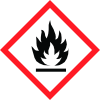
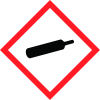
Icons in SDS


Company Information
company name
The Valspar Corporation
e-mail address of the competent person responsible for the Safety Data Sheet
msds@valspar.com
GHS Information
Signal word
DANGER
Section 2
SECTION 2: Hazards identification
OSHA Skin corrosion/irritation Category 2 Serious eye damage/eye irritation Category 2 Skin sensitization Category 1 Reproductive toxicity Category 2 Specific target organ toxicity (single exposure) Category 3 Specific target organ toxicity (repeated exposure) Category 1 Aspiration toxicity Category 1 Flammable aerosols Category 2 Gases under pressure Liquefied gas
Signal word
DANGER
Hazard statements
Flammable aerosol Contains gas under pressure; may explode if heated Causes skin irritation Causes serious eye irritation May cause an allergic skin reaction Suspected of damaging fertility or the unborn child May cause drowsiness or dizziness Causes damage to organs through prolonged or repeated exposure May be fata! if swallowed and enters airways
Prevention
Obtain special instructions before use. Do not handle until all safety precautions have been read and understood. Wear protective gloves/protective clothing/eye protection/face protection. Wash face, hands and any exposed skin thoroughly after handling. Contaminated work clothing should not be allowed out of the workplace. Do not breathe dust/fume/gas/mist/vapors/spray. Do not eat, drink or smoke when using this product. Use only outdoors or in a well-ventilated area. Keep away from heat/sparks/open flames/hot surfaces. - No smoking. Do not spray on an open flame or other ignition source. Pressurized container: Do not pierce or burn, even after use.
Response
IF exposed or concerned: Get medical advice/attention. Eyes IF IN EYES: Rinse cautiously with water for several minutes. Remove contact lenses, if present and easy to do. Continue tinsing. If eye irritation persists: Get medical advice/atiention. Skin IF ON SKIN: Wash with plenty of soap and water. Take off contaminated clothing and wash before reuse. If skin irritation or tash occurs: Get medical advice/attention. Inhalation IF INHALED: Remove person to fresh air and keep comfortable for breathing. Ingestion IF SWALLOWED: Immediately calla POISON CENTER or doctor/physician. Do NOT induce vomiting.
Storage
Store locked up. Store in a well-ventilated place. Keep container tightly closed. Protect from sunlight. Store in a well-ventilated place. Do not expose to temperatures exceeding 122 °F (50 °C). Conditions Keep/store only in origina! container. Store in accordance with local regulations. Keep unauthorized personnel away. Containers that have been opened must be carefully resealed and kept upright to prevent leakage. Keep container tightly closed in a dry and well-ventilated place. Protect from sunlight. Store in a well-ventilated place. incompatible materials Strong oxidizing agents. Control parameters Exposure Limits \f S* appears in the OEL table, it indicates this chemical contains a skin notation. Chemical Name ACGIH TLV.
Disposal
Dispose of contents/containers in accordance with local regulations.
2.3 Other hazards
Propellant is classified as a simple asphyxiant if released in large quantities: May displace oxygen and cause rapid suffocation.
Other hazards
Harmful to aquatic life with long lasting effects. spontaneously combustible material. Risk of self-ignition of used cleaning rags, paper wipes etc. Contaminated materials should be soaked in water and placed in a closed metal container before disposal. UNKNOWN ACUTE TOXICITY 0% of the mixture consists of ingredient(s) of unknown toxicity. Chemical Name CAS No weight-% Acetone 67-64-14 25 - 50 Solvent naphtha, petroleum, medium aliphatic 10 - 25 64742-88-7 Solvent naphtha, petroleum, light aliphatic 64742-89-8 §- 10 Toluene 3-5 108-88-3 Titanium dioxide 13463-67-7 1-3 Proprietary additive 0.1 - 0.3 Proprietary Zirconium ethyt hexoate 01-03 22464-99-9 “The exact percentage (concentration) of composition has been withheld as a trade secret. First Aid Measures General advice IF exposed or concerned: Get medical advice/attention. Eye contact IF IN EYES: Rinse cautiously with water for several minutes. Remove contact lenses, if present and easy to do. Continue rinsing. If eye irritation persists: Get medical advice/attention. Skin Contact IF ON SKIN: Wash with plenty of soap and water. Take off contaminated clothing and wash before reuse. If skin irritation or rash occurs: Get medical advice/attention. Inhalation IF INHALED: Remove person to fresh air and keep comfortable for breathing. Ingestion IF SWALLOWED: Immediately call a POISON CENTER or doctor/physician. Do NOT induce vomiting. Most important symptoms and effects, both acute and delayed Symptoms No information available. Indication of any immediate medical attention and special treatment needed Note to physicians Treat symptomatically. Suitable extinguishing media Dry chemical, CO2, water spray or alcohol-resistant foam. Not to be used for safety reasons: Strong water jet Specific hazards arising from the chemical Burning produces heavy smoke. Fire may produce irritating and/or toxic gases. {n the event of fire and/or explosion do not breathe fumes. May cause sensitization by skin contact. spontaneously combustible material. Risk of self-ignition of used cleaning rags, paper wipes etc, Contaminated materials should be soaked in water and placed in a closed metal! container before disposal, Keep product and empty container away from heat and sources of ignition. Special protective equipment for fire-fighters Wear self-contained breathing apparatus and protective suit. Cool containers with flooding quantities of water until well after fire is out. Do not allow run-off from fire-fighting to enter drains or water courses. Personal
Precautionary statements
protective equipment and emergency procedures Personal precautions Avoid breathing vapors or mists. Remove all sources of ignition. Use personal protective equipment as required. Avoid contact with skin, eyes or clothing. Keep people away from and upwind of spilldeak. For emergency responders Use personal protection recommended in Section 8. Environmental precautions Do not allow into any sewer, on the ground or into any body of water. If the product contaminates lakes, rivers or sewage, inform appropriate authorities in accordance with focal regulations. Prevent further leakage or spillage if safe to do so. Local authorities should be advised if significant spillages cannot be contained. Methods and material for containment and cleaning up Methods for containment Prevent further leakage or spillage if safe to do so. Methods for cleaning up Dispose of waste product or used containers according to local regulations. Clean with detergents. Avoid solvent cleaners. Dam up. Soak up with inert absorbent material (e.g. sand, silica gel, acid binder, universal binder, sawdust). Pick up and transfer to properly labeled containers. Clean contaminated surface thoroughly. Take up mechanically, placing in appropriate containers for disposal. Precautions for safe handling Advice on safe handling Prevent the creation of flammable or explosive concentrations of vapor in air and avoid vapor concentration higher than the occupational exposure limits. Operators should wear anti-static footwear and clothing and floors should be of the conducting type. Use personal protection recommended in Section 8, Never use pressure to emply container. Comply with the heaith and safety at work laws. Prevent product from entering drains. Vapors are heavier than air and may spread along floors. Vapors may form explosive mixtures with air. Use only with adequate ventilation. Do not breathe dust/fume/gas/mist/vapors/spray. Keep away from heat, sparks, flame and other sources of ignition (.e., pilot lights, electric motors and static electricity). Do not spray on an open flame or other ignition source. Pressurized container: Do not pierce or burn, even after use. Risk of self-ignition of used cleaning tags, paper wipes etc. Contaminated materials should be soaked in water and placed in a closed metal container before disposal. General Hygiene Considerations When using do not eat, drink or smoke. Wash contaminated clothing before reuse. Avoid contact with skin, eyes or clothing, Conditions for safe storage, including any incompatibilities
Appearance/Odor
No information available Solvent Color yellow Odor Threshoid No information available pH value No information available Melting point/freezing point No information available Boiling point / boiling range No information available °C / °F fiash point -35 °C / -31 °F evaporation rate No information available Flammability (solid, gas) No information available Flammability Limit in Air Upper flammability limit: No information available Lower flammability limit: No information available Vapor Pressure No information avaitable vapor density No information available Density (ibs per US gailon) 6.38 specific gravity 76 Solubility(ies) Not Determined Partition coefficient No information available Autoignition temperature No information availabie Decomposition temperature No information available Kinematic viscosity No information available Dynamic viscosity No information available
Further information
Reactivity No information available. Chemical stability Stable under normal conditions. Possibility of Hazardous Reactions None under normal processing. Hazardous polymerization None under normal processing. Conditions to avoid Heat, flames and sparks. Incompatible materials Strong oxidizing agents. Hazardous Decomposition Products Carbon monoxide. Carbon dioxide (CO2). Information on likely routes of exposure Eye contact Causes serious eye irritation Skin Contact Causes skin irritation May cause an allergic skin reaction Ingestion May be fatal if swallowed and enters airways inhalation May cause drowsiness or dizziness Numerical measures of toxicity - Component Information ‘Chemical Name Oral LD60 Dermat LD50 Inhalation LC50 Acetone - . = 50100 mg/m? (Rat) 8h 67-84-1 Solvent naphtha, petroleum, > 6000 mgikg (Rat) = 3000 mg/kg ( Rabbit } > 6.28 mg/l. (Rat)4h medium aliphatic 64742-88-7 Solvent naphtha, petroleum, light - = 3000 mg/kg ( Rabbit } - aliphatic 64742-89-8 |Foluene = 2600 mg/kg (Rat) = 12000 mg/kg ( Rabbit) = 12.5 mg/l (Rat)4h 108-88-3 [Titanium dioxide > 10000 mgikg (Rat) 13463-67-7 Proprietary additive = 2615 mg/kg ( Rat) - Zirconium ethyl hexoate - 22464-99-9 Numerical measures of toxicity - Product Information UNKNOWN ACUTE TOXICITY 0% of the mixture consists of ingredient(s) of unknown toxicity. Delayed and immediate effects as well as chronic effects from short and long-term exposure Carcinogenicity According to IARC, Volume 93, no significant exposure to primary particles of titanium dioxide is thought to occur from use in paints since the pigment is bound to other materials. [Chemical Name ACGIH | IARC I NTP | OSHA | [Titanium dioxide Group 2B x 13463-67-7 ACGIH (American Conference of Governmental Industrial Hygienists) A3 - Animal Carcinogen. IARG (International Agency for Research on Cancer) Group 2B - Possibly Carcinogenic to Humans. OSHA (Occupational Safety and Health Administration of the US Department of Labor) X - Present. Skin corrosion/irritation Causes skin irritation Serious eye damage/eye irritation | Causes serious eye irritation Skin sensitization May cause an allergic skin reaction Respiratory sensitization Not applicable Germ cell mutagenicity Not applicable Carcinogenicity Not applicable Reproductive Toxicity Suspected of damaging fertility or the unborn child Specific target organ toxicity (single May cause drowsiness or dizziness exposure) Specific target organ toxicity Causes damage to organs through prolonged or repeated exposure (repeated exposure} Aspiration hazard Not applicable Ecotoxicity_ Harmfut to aquatic life with long lasting effects. Environmental! precautions Prevent product from entering drains. Marine pollutant This product contains a chemical which is listed as a marine pollutant according to DOT Persistence and degradability No information available Bioaccumulation No information available Mobility No information available Other adverse effects. No information available Waste treatment methods Disposal of wastes Disposal should be in accordance with applicable regional, national and local laws and regulations. Contaminated packaging Improper disposal or reuse of this container may be dangerous and illegal. Empty containers must be scrapped or reconditioned. DOT iMDG (ATA 14.1 UNAD no ORM-D UN1950 14.2 Proper shipping name CONSUMER COMMODITY Aerosols 14.3 Hazard Class 24 14.4 Packing Group 14.5 Environmental hazard Not applicable Marine pollutant This product contains a chemical which Is listed as a marine pollutant according to DOT 14.6 Special Provisions Emergency Response Guide EmS-No Number F-D, 8-U 126 14.7 Transport in bulk according to Annex Il of MARPOL 73/78 and the IBC Code No information available In TSCA - United States Toxic Substances Control Act Section 8(b) Inventory Ali components are listed or exempt from listing DSL - Canadian Domestic Substances List All components are listed or exempt from listing US Federal Regulations Chemical Name SARA 313 - Threshold Values % Hazardous air pollutants (HAPs) content {Toluene 4 Present 108-88-3 3-5 SARA 311/312 Hazard Categories Acute health hazard Yes Chronic Health Hazard Yes Fire hazard Yes Sudden release of pressure hazard Yes Reactive Hazard No Chemical Name CWA - Reportable CWA - Toxic Pollutants | CWA - Priority Pollutants CWA - Hazardous Quantities Substances Toluene 1000 tb x 108-88-3 Chemical Name Hazardous Substances RQs CERCLAISARA RQ Reportable Quantity (RQ) Acetone 5000 ib RQ 5000 ib final RQ 67-64-1 RQ 2270 kg final RQ Toluene 1000 Ib RQ 1000 ib final RQ 108-88-3 RQ 454 kg final RQ US State Regulations Rule 66 status of product Not photochemically reactive. California Proposition 65 This product contains chemical(s) known to the State of California to cause cancer and/or to cause birth defects or other reproductive harm. U.S. EPA Label information EPA Pesticide registration number Not applicable U.S. State Right-to-Know Regulations Chemical Name Acetone 67-64-41 Propane 74-98-6 Proprietary Non-Hazardous ingredient - Proprietary CAS Solvent naphtha, petroleum, medium aliphatic 64742-88-7 Butane 106-97-8 Solvent naphtha, petroleum, light aliphatic 64742-89-8 Toluene 108-88-3 Titanium dioxide 13463-67-7 Zirconium ethyl hexoate 22464-99-9 Intentional misuse by deliberately concentrating and inhaling contents may be harmful or fatal Repeated or prolonged overexposure to solvents may cause permanent damage to the nervous system HMIS Health hazards 3* *= Chronic Health Hazard Flammability 4 Physical hazards 0 Personal Protection x Supplier Address Valspar Consumer The Valspar Corporation Valspar Plasti-Kote Headquarters 4999 36th St, 7655 Tranmere Dr. 8725 W. Higgins Rd. Suite Grand Rapids, Ml 49512 = Mississauga, Ontario L5S 1L4 1000 800-253-3957 905-671-8333 Chicago, iL. 60631 773-628-5500 Prepared By Product Stewardship Revision date 10-Apr-2015 Revision Note No information available Disclaimer The information on this Safety Data Sheet (SDS) is based on the present state of our knowledge, current national legislation and guidelines. As the specific conditions of use of the product are outside the supplier's knowledge and control the user is responsible for ensuring that the requirements of relevant legistation are complied with. This SDS should not be construed as any guarantee of the technical performance or suitability for particular applications. UNLESS SUPPLIER AGREES OTHERWISE IN WRITING, SUPPLIER MAKES NO WARRANTIES, EXPRESS OR IMPLIED, AND DISCLAIMS ALL IMPLIED WARRANTIES INCLUDING WARRANTIES OF MERCHANTABILITY OR FITNESS FOR A PARTICULAR USE OR FREEDOM FROM PATENT INFRINGEMENT. SUPPLIER WILL. NOT BE LIABLE FOR ANY SPECIAL, INCIDENTAL OR CONSEQUENTIAL DAMAGES. End of Safety Data Sheet



