



Note: Ingredients listed on restricted chemical lists
EC/CAS
6484-52-2
Name of the chemical
Ammonium Nitrate (AN)
Concentration
70-80
EC/CAS
7732-18-5
Name of the chemical
Water, distilled, conductivity or of similar purity H2O
Concentration
<=13
EC/CAS
78-11-5
Name of the chemical
Pentaerithrityl tetranitrate (INN)
Concentration
0.5-2
General Information
Version
1.0
Revision date
2004-01-30
Product name
Senatel Powersplit
1.2.1 Relevant identified uses
No use is specified
Emergency telephone
1-877-561-3636, 1-800-424-9300, 1-800-800-3855, 1-877- 561-3636
Icons in SDS


Company Information
company name
USA
e-mail address of the competent person responsible for the Safety Data Sheet
sds.na@orica.com
GHS Information
Signal word
Danger
Hazard Codes
Hazard statements (CLP)
H224, H272, H319, H350, H373, H402, H412
Hazard statements
Code
Statements
H224
Extremely flammable liquid and vapour
Section 2
SECTION 2: Hazards identification
OSHA Hazards Classification of the Substance or Mixture
Hazard statements
see section 16 : H224 - Extremely flammable liquid and vapour. H272 - May intensify fire; oxidizer. H319 - Causes serious eye irritation. H350 - May cause cancer (Inhalation). H373 - May cause damage to organs (lungs) through prolonged or repeated exposure (Inhalation). H402 - Harmful to aquatic life. H412 - Harmful to aquatic life with long lasting effects.
2.2 Label elements
GHS-US/CA Labeling Any labeling elements (pictograms, signal word, hazard, and precautionary statements) related to explosive classifications apply to
Hazard pictograms
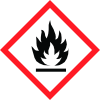
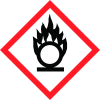
GHS02 GHS03 GHS07 GHS08
Signal word
Danger
Precautionary statements
P201 - Obtain special instructions before use. P202 - Do not handle until all safety precautions have been read and understood. P210 - Keep away from heat, hot surfaces, sparks, open flames and other ignition sources. No smoking. P220 - Keep away from clothing and other combustible materials. P233 - Keep container tightly closed. P240 - Ground/bond container and receiving equipment. P241 - Use explosion-proof electrical, ventilating, and lighting equipment. P242 - Use only non-sparking tools. P243 - Take action to prevent static discharges. P260 - Do not breathe vapors, mist, or spray. P264 - Wash hands, forearms, and other exposed areas thoroughly after handling. P273 - Avoid release to the environment. P280 - Wear protective gloves, protective clothing, and eye protection. P303+P361+P353 - IF ON SKIN (or hair): Take off immediately all contaminated clothing. Rinse skin with water. P305+P351+P338 - IF IN EYES: Rinse cautiously with water for several minutes. Remove contact lenses, if present and easy to do. Continue rinsing. P308+P313 - If exposed or concerned: Get medical advice/attention. P314 - Get medical advice/attention if you feel unwell. P337+P313 - If eye irritation persists: Get medical advice/attention. P370+P378 - In case of fire: Use appropriate media (see section 5) to extinguish. P403+P235 - Store in a well-ventilated place. Keep cool. P405 - Store locked up. P501 - Dispose of contents/container in accordance with local, regional, national, territorial, provincial, and international regulations.
Other hazards
Exposure may aggravate pre-existing eye, skin, or respiratory conditions. Ingestion may cause methemoglobinemia. Initial manifestation of methemoglobinemia is cyanosis, characterized by navy lips, tongue and mucous membranes, with skin color being slate grey. Further manifestation is characterized by headache, weakness, dyspnea, dizziness, stupor, respiratory distress and death due to anoxia. If ingested, nitrates may be reduced to nitrites by bacteria in the digestive tract. Signs and symptoms of nitrite poisoning include methemoglobinemia, nausea, dizziness, increased heart rate, hypotension, fainting and, possibly shock
Ingredient(s) with unknown acute toxicity
No data available
2.1 Classification of the substance or mixture
GHS-US/CA Classification The explosive classification below only applies to US 29 CFR 1910.1200 (HCS/HazCom 2012). The explosive classification is excluded from Canada Hazardous Products Regulations (HPR, SOR/2015-17), it is regulated under the Canada Explosives Act (R.S.C., 1985, c. E- 17) Expl. 1.1 H201 Flam. Liq. 1 H224 Ox. Liq. 3 H272 Eye Irrit. 2A H319 Carc. 1 H350 STOT RE 2 H373 Aquatic Acute 3 H402 Aquatic Chronic 3 H412 Full text of hazard classes and H-statements : see section 16



