

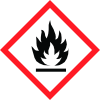


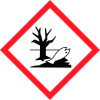
General Information
Revision date
2014-05-16
Product name
Cyclopentane
CAS No.
287-92-3
1.2.1 Relevant identified uses
Solvent adhesives
supplier name
TSGE
Manufacturer Name
South Hampton Resources, Inc
Emergency telephone
call
Icons in SDS
Company Information
company name
TSGE
GHS Information
Signal word
Danger
Hazard Codes
Hazard statements (CLP)
H224, H304, H336, H361fd, H373, H411
Hazard statements
Code
Statements
H224
Extremely flammable liquid and vapour
Section 2
2.2 Label elements
NFPA 704 CAS Number: 287-92-3 3 Molar Mass: 70.13 g/mol Density: 0.751 g/cm3 at 25 °C (77 °F) Boiling Point: 50 °C (122 °F) - lit. 1 0
Precautionary statements
Flammable, Irritant
NFPA Ratings
Health 1 Fire 3 Reactivity 0 Hazard Scale: 0 = Minimal 1 = Slight 2 = Moderate 3 = Serious 4 = Severe
HMIS® ratings
Health 2 Flammability 3
Physical hazards
0 Hazard Scale: 0 = Minimal 1 = Slight 2 = Moderate 3 = Serious 4 = Severe * = Chronic hazard Emergency Overview Keep away from heat, sparks and flame. This material is an eye and skin irritant. Gross inhalation overexposure may cause: Central nervous system depression with dizziness, confusion, incoordination, drowsiness or unconsciousness or death. Warning: Extremely Flammable.
2.3 Other hazards
Target Organs Flammable liquid, Target Organ Effect Central nervous system General Description A clear colorless liquid with a petroleum-like odor. Flash point of -35°F. Less dense than water and insoluble in water. Vapors are heavier than air.
2.1 Classification of the substance or mixture
Flammable liquid, Category 1 Aspiration hazard, Category 1 Chronic aquatic toxicity, Category 3 Acute aquatic toxicity, Category 3 Target Organ Systemic Toxicant - Single exposure, Category 3, Inhalation, Central nervous system OSHA's Hazard Communication Standard (HCS) 2
Hazard statements
H224 Extremely flammable liquid and vapor H304 May be fatal if swallowed and enters airways H336 May cause drowsiness or dizziness H361fd Suspected of damaging fertility. Suspected of damaging the unborn child H373 May cause damage to peripheral nervous system through prolonged or repeated exposure H411 Toxic to aquatic life with long lasting effects EUH066 Repeated exposure may cause skin dryness or cracking Directive 67/548/EEC: Extremely Dangerous for Harmful Flammable R12 Extremely flammable R20 Harmful by inhalation. R48 Harmful: danger of serious damage to health by prolonged exposure R51/53 Toxic to aquatic organisms, may cause long-term adverse effects in the aquatic environment R62 Possible risk of impaired fertility R65 Harmful: may cause lung damage if swallowed R66 Repeated exposure may cause skin dryness or cracking R67 Vapors may cause drowsiness and dizziness
PBT Substances
No information available yet.



