

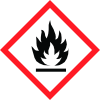


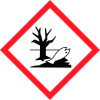
Note: Ingredients listed on restricted chemical lists
EC/CAS
931-254-9/64742-49-0
Name of the chemical
Naphtha (petroleum), hydrotreated light
Concentration
N/A
EC/CAS
203-777-6/110-54-3
Name of the chemical
n-Hexan (790/2009)
Concentration
<3
General Information
Revision date
2017-06-27
Product name
SOLANE ISOHEXANE
supplier name
TOTAL
Emergency telephone
+44 1235 239670
Icons in SDS


Company Information
company name
TOTAL
e-mail address of the competent person responsible for the Safety Data Sheet
rmfs.fds@total.com
GHS Information
Signal word
Danger
Hazard Codes
Hazard statements (CLP)
H225, H304, H336, H411
Hazard statements
Code
Statements
H225
Highly Flammable liquid and vapour
Section 2
2.1 Classification of the substance or mixture
Flammable liquids - Category 2 Aspiration toxicity - Category 1 Specific target organ systemic toxicity (single exposure) - Category 3 Acute aquatic toxicity - Category 2 Chronic aquatic toxicity - Category 2
Signal word
DANGER
Hazard statements
H225 - Highly flammable liquid and vapor H304 - May be fatal if swallowed and enters airways H336 - May cause drowsiness or dizziness H411 - Toxic to aquatic life with long lasting effects
Prevention
Avoid breathing dust/fume/gas/mist/vapors/spray • Use only outdoors or in a well-ventilated area • Avoid release to the environment • Keep away from heat, hot surfaces, sparks, open flames and other ignition sources. No smoking • Keep container tightly closed • Ground/bond container and receiving equipment • Use explosion-proof electrical/ ventilating / lighting equipment • Use only non-sparking tools • Take precautionary measures against static discharge • Wear protective gloves/protective clothing/eye protection/face protection • Keep cool
Response
IF ON SKIN (or hair): Take off immediately all contaminated clothing. Rinse skin with water/ shower • IF INHALED: Remove person to fresh air and keep comfortable for breathing • Call a POISON CENTER/doctor if you feel unwell • IF SWALLOWED: Immediately call a POISON CENTER/doctor • Do NOT induce vomiting • In case of fire: Use CO2, dry chemical, or foam to extinguish • Collect spillage
Storage
Store locked up • Store in a well-ventilated place. Keep container tightly closed
Precautionary statements
Disposal • Dispose of contents/ container to an approved waste disposal plant
Other hazards which do not result in classification
Physical-Chemical Properties Vapors may form explosive mixtures with air The material can accumulate static charge and can therefore cause electrical ignition
Potential health effects
Repeated exposure may cause skin dryness or cracking
Environmental effects
Should not be released into the environment



