



Note: Ingredients listed on restricted chemical lists
EC/CAS
205-483-3/141-43-5
Name of the chemical
2-aminoethanol
Concentration
20%
General Information
Version
8 (replaces version 7
Revision date
2024-10-07
Product name
Polyacrylate Buffer A1
1.2.1 Relevant identified uses
Reagent for water analysis
supplier name
Tintometer GmbH
Emergency telephone
+44 1235 239670
Icons in SDS


Company Information
company name
Tintometer GmbH
e-mail address of the competent person responsible for the Safety Data Sheet
sales@lovibond.com, SDS@lovibond.uk, sds@lovibond.com
GHS Information
Signal word
Danger
Hazard Codes
Hazard statements (CLP)
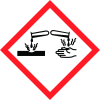
H314, H318, H332, H335, H373
Hazard statements
Code
Statements
H314
Causes severe skin burns and eye damage
Section 2
SECTION 2: Hazards identification
2.1 Classification of the substance or mixture
· Classification
2.2 Label elements
· Labelling
Hazard pictograms
d ~ d ~ d ~ GHS05 GHS07 GHS08
Signal word
Danger
Hazardous Ingredients
2-aminoethanol Ethylenediaminetetraacetic acid disodium salt, dihydrate
Hazard statements
H332 Harmful if inhaled. H314 Causes severe skin burns and eye damage. H335 May cause respiratory irritation. H373 May cause damage to the respiratory tract through prolonged or repeated exposure. Route of exposure: Inhalation.
Precautionary statements
P260 Do not breathe mist/vapours/spray. P280 Wear protective gloves/protective clothing/eye protection. P303+P361+P353 IF ON SKIN (or hair): Take off immediately all contaminated clothing. Rinse skin with water or shower. P304+P340 IF INHALED: Remove person to fresh air and keep comfortable for breathing. P305+P351+P338 IF IN EYES: Rinse cautiously with water for several minutes. Remove contact lenses, if present and easy to do. Continue rinsing. P310 Immediately call a POISON CENTER/doctor.
2.3 Other hazards
Contact with skin and inhalation of aerosols/ vapours of the preparation should be avoided. CAS 141-43-5: Danger by skin resorption. Vapours of the product are heavier than air and may accumulate on the ground, in mines, drains or cellars with higher concentration.
Results of PBT and vPvB assessment
This mixture does not contain any substances that are assessed to be persistent, bioaccumulative and toxic (PBT) or very persistent and very bioaccumulative (vPvB) according to the criteria given in Annex XIII of



