


Note: Ingredients listed on restricted chemical lists
EC/CAS
90-15-3
Name of the chemical
1-Naphthalenol
Concentration
N/A
EC/CAS
67-56-1
Name of the chemical
Methanol
Concentration
N/A
General Information
Revision date
2010-10-19
Product name
ALPHA NAPHTHOL 5% (VP-A) 12ml
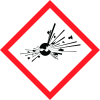
Icons in SDS

Company Information
company name
thermo fisher scientific
GHS Information
Signal word
DANGER!
Section 2
SECTION 2: Hazards identification
DANGER! Emergency Overview Toxic to aquatic organisms. Heating may cause an explosion. Causes respiratory tract burns. Flammable liquid and vapor. Poison, may be fatal or cause blindness if swallowed. Cannot be made non-poisonous. Vapor harmful. Toxic by inhalation, in contact with skin and if swallowed. Irritating to eyes, respiratory system and skin. Toxic: danger of very serious irreversible effects through inhalation, in contact with skin and if swallowed. Appearance Colorless Physical State Liquid odor Alcohol-like Target Organs Blood, Liver, Respiratory system, Central nervous system (CNS), Eyes, Gastrointestinal tract (GI), Skin, Optic nerve, Kidney OSHA Regulatory Status This material is considered hazardous by the OSHA Hazard Communication Standard (29 CFR 1910.1200).
Potential health effects
Acute Effects
Principle Routes of Exposure
Eyes Risk of serious damage to eyes. Irritating to eyes. Skin Toxic in contact with skin. Irritating to skin. Harmful by skin absorption. Inhalation Vapor harmful. Toxic by inhalation. Irritating to respiratory system. Ingestion Poison, may be fatal or cause blindness if swallowed. Cannot be made non-poisonous. Ingestion may cause gastrointestinal irritation, nausea, vomiting and diarrhea.
Potential chronic health
May cause adverse kidney effects. May cause adverse liver effects. Prolonged exposure may cause chronic effects. Toxic: danger of very serious irreversible effects through inhalation, in contact with skin and if swallowed. Experiments have shown reproductive toxicity effects on laboratory animals. See Section 11 for additional Toxicological information.
Medical Conditions Generally Aggravated by Exposure
Central nervous system disorders. Gastrointestinal tract. Preexisting eye disorders. Liver disorders. Skin disorders. Kidney disorders.


