




Note: Ingredients listed on restricted chemical lists
EC/CAS
7440-50-8
Name of the chemical
Copper
Concentration
6%-10%
EC/CAS
7429-90-5
Name of the chemical
Aluminium
Concentration
7%-14%
General Information
Revision date
2025-01-01
Product name
Lithium Iron Phosphate Rechargeable Battery: PSL Series, PSL-BT, PSL-CP, PSL-SC, PSL-HV
Chemical name
Electrical Battery Standby
Manufacturer Name
The Power-Sonic Corporation
Emergency telephone
+1 (775) 824-6500
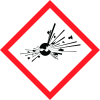
Icons in SDS


Company Information
company name
The Power-Sonic Corporation
e-mail address of the competent person responsible for the Safety Data Sheet
compliance@Power-Sonic.com
GHS Information
Signal word
WARNING!
Section 2
SECTION 2: Hazards identification
HEALTH ENVIRONMENTAL PHYSICAL Acute Toxicity Category 4 Not classified as Fire hazard during abuse conditions Oral/Dermal/Inhalation) environmentally hazardous under normal conditions Skin Corrosion/Irritation Category 2 Thermal runaway potential Eye Damage Category 2 Specific Target Organ Toxicity Category 2
Hazard statements
WARNING!
Precautionary statements
The batteries are not hazardous when used according to the manufacturer's instructions under normal conditions In case of abuse, there's hazard of rupture, fire, heat, leakage of internal components, which could cause casualty loss Abuses include but are not limited to: long time charging, short circuit, exposure to fire, impact with hard objects, puncture with sharp objects, crushing, and breaking Contact with internal components may cause irritation or burns Keep away from heat/sparks/open flames/hot surfaces. No smoking Wear protective gloves/protective clothing, eye protection/face protection when handling damaged batteries Obtain special instructions before use. Do not handle until all safety precautions have been read and understood.
2.3 Other hazards
Mechanical Lithium batteries can be heavy. Correct manual handling techniques and/or mechanical lifting aids must be used. Electrical Lithium batteries can contain large amounts of electrical energy which can give very high discharge currents and severe electrical shock if the terminals are short circuited. Chemical The lithium battery presents no chemical hazards during normal operation provided the recommendations for handling, storage, transport and usage are observed If the battery is damaged and internal components are exposed, hazards may exist which require careful attention Damaged batteries may release toxic gases including HF (hydrogen fluoride) and phosphorus fluorides 2 / 7 SECTION 3: HAZARDOUS INGREDIENTS/ IDENTITY INFORMATION COMPONENTS Approx. % by CAS Number ACGIH TLV OSHA NIOSH Wt. Lithium Iron Phosphate 35%-50% 15365-14-7 -- (LiFePO4) Graphite 15%-20% 7782-42-5 2000 15000 -- Ethyl Methyl Carbonate 10%-15% 623-53-0 -- Copper Foils 6%-10% 7440-50-8 1000 Aluminum Foil 7%-14% 7429-90-5 1000 15000 10000 Ethylene Carbonate 5%-8% 96-49-1 -- Lithium 2%-11% 21324-40-3 -- Hexafluorophosphate Case Material: ~10% Various -- Polypropylene/ABS SECTION 4: FIRST AID MEASURES FOR ACUTE EXPOSURE This information is of relevance only if the lithium battery has suffered damage, is broken and persons have direct contact with the internal components. Active Inhalation Materials Remove the person from exposure to fresh air. If breathing is difficult, supply oxygen. Seek advice from a medical doctor immediately. and Ingestion Electrolyte Wash out mouth with water and give plenty of water to drink. Do not induce vomiting. Seek advice from a medical doctor immediately.
2.1 Classification of the substance or mixture
Fire hazard during abuse conditions (Oral/Dermal/Inhalation) environmentally hazardous under normal conditions Skin Corrosion/Irritation Category 2 Thermal runaway potential Eye Damage Category 2 Specific Target Organ Toxicity Category 2


