

General Information
Version
1.0 US/CA
Revision date
2025-10-04
Product name
Dispatch Sprayable
Emergency telephone
(800) 424-9300
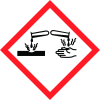
Icons in SDS


Company Information
company name
The Aquatrols
e-mail address of the competent person responsible for the Safety Data Sheet
info@aquatrols.com
GHS Information
Signal word
Danger
Section 2
2.1 Classification of the substance or mixture
Concentration D-glucopyranose, oligomeric, decyl 68515-73-1 Eye Dam. – H318 21% octyl glycosides Concentration Ethylene oxide/propylene oxide 9003-11-6 Not classified 30% block copolymer Water 7732-18-5 Not classified 49% 4.1 Description of first aid measures General advice: Show this SDS to the doctor in attendance. First responder needs to protect himself. Place affected apparel in a sealed bag for subsequent decontamination. Inhalation: If inhaled, remove to fresh air. If not breathing, give artificial respiration. If breathing is difficult, give oxygen. Consult a physician if necessary. Skin contact: In case of contact, immediately flush skin with plenty of water for at least 15 minutes while removing contaminated clothing and shoes. Get medical attention if irritation develops or persists. Wash contaminated clothing before re-use. Eye contact: Flush eyes with water at least 15 minutes. Seek medical advice. Ingestion: Do not induce vomiting without medical advice. Immediate medical attention is required. If victim is conscious, drink plenty of water and do not leave victim unattended. Vomiting may occur spontaneously. Seek medical advice. 4.2 Most important symptoms and effects, both acute and delayed. Symptoms after inhalation: Inhalation of product may aggravate existing chronic respiratory problems such as asthma, emphysema or bronchitis. Symptoms after skin contact: Skin contact may aggravate existing skin disease. 4.3 Indication of any immediate medical attention and special treatment needed Note to physician: Treat symptomatically. 5.1 Extinguishing media Suitable extinguishing media: Dry chemical, CO2, foam, water spray. Unsuitable extinguishing media: High volume water jet 5.2 Special hazards arising from the substance or mixture Specific hazards during firefighting: Under fire conditions, will burn. Hazardous decomposition products: Carbon oxides. 5.3 Advice for firefighters Special protective equipment: Firefighters should wear approved self- contained breathing apparatus and full protective clothing. Further information: Standard procedure for chemical fires. Collect contaminated fire extinguishing water separately. This must not be discharged into drains. Fire residues and contaminated fire extinguishing water must be disposed of in accordance with local regulations. 6.1 Personal precautions, protective equipment and emergency procedures. Wear suitable protective equipment. For further information, see Section VIII “Exposure Controls/Personal Protection”. 6.2 Environmental precautions Do not flush into surface water or sanitary sewer system. Take all necessary measures to avoid accidental discharge of products into drains and waterways due to the rupture of containers or transfer systems. Spills should be reported to local agencies. 6.3 Methods and materials for containment and cleanup Methods of containment: Stop leak if safe to do so. Dam up with sand or inert earth (do not use combustible materials). Recovery: Soak up with inert absorbent materials. Shovel or sweep up. 5 Keep in suitable, closed container for disposal. Never return spills to original containers for re-use. Decontamination/cleaning: Clean contaminated surface thoroughly. Wash non-recoverable remainder with large amounts of water. Recover the cleaning water for subsequent disposal. Decontaminate tools, equipment and personal protective equipment in a segregated area. Disposal: Dispose of in accordance with local regulations. 6.4 Reference to other sections See Section VII for Handling and Storage. 7.1 Precautions for safe handling of the substance/mixture. Technical measures: Provide adequate ventilation. Advice on safe handling and usage: Avoid inhalation of vapor or mist. Avoid contact with skin and eyes. Hygiene measures: Personal hygiene is an important workplace practice exposure control measure and the following general measures should be taken when working with or handling this material: 1) Do not store, use, and/or consume foods, beverages, tobacco products, or cosmetics in areas where this material is stored. 2) Wash hands and face carefully before eating, drinking, using tobacco, applying cosmetics, or using the toilet. 3) Wash exposed skin promptly to remove accidental splashes or contact with material. 7.2 Conditions for safe storage, including any incompatibilities Storage conditions 6 Recommended: Plastic drum, plastic materials. Keep container tightly closed in a cool, dry, well-ventilated place. Keep out of reach of children. Keep in properly labeled containers. To be avoided: Uncoated metals. Keep away from open flames, hot surfaces and sources of ignition. Keep away from incompatible materials Storage stability Storage temperature: 4 - 49oC 7.3 Specific end use(s) See Section I General comments These recommendations provide general guidance for handling this product. Because specific work environments and material handling practices vary, safety procedures should be developed for each intended application. Assistance with selection, use and maintenance of worker protection equipment is generally available from equipment manufacturers. 8.1 Control parameters Local and general ventilation. 8.2 Exposure controls Exposure limits: Contains no substances with occupational exposure limit values. Protective measures: Ensure that eyewash stations and safety showers are close to workstation. Emergency equipment immediately accessible, with instructions for use. Selection of appropriate personal protective equipment should be based on an evaluation of the performance characteristics of the protective equipment relative to the task(s) to be performed, conditions present, duration of use, and the potential hazards, and/or risks that may occur during use. 7 Respiratory protection: When respirators are required, use approved equipment based on actual or potential airborne concentrations and in accordance with the appropriate regulatory standards and/or industrial recommendations. Hand protection: Gloves. Please observe the instructions regarding permeability and breakthrough time which are provided by the supplier of the gloves. Also take into consideration the specific local conditions under which the product is used, such as the danger of cuts, abrasion, and the contact time. Eye protection: Eye and face protection will vary dependent upon work, environmental conditions and material handling practices. Appropriate approved equipment should be selected for the particular use intended for this material. Eye contact should be prevented through the use of safety glass with side-shields. Body protection: Footwear protecting against chemicals; impervious clothing.
Non Hazardous Components
and impurities Chemical Name CAS No.



