

Note: Ingredients listed on restricted chemical lists
EC/CAS
13463-67-7
Name of the chemical
Reaction mass of titanium dioxide and silver chloride
Concentration
N/A
EC/CAS
65996-61-4
Name of the chemical
Cellulose pulp
Concentration
N/A
EC/CAS
68855-54-9
Name of the chemical
diatomaceous earth, soda ash flux-calcined
Concentration
N/A
EC/CAS
107-21-1
Name of the chemical
Ethane-1,2-diol
Concentration
N/A
EC/CAS
14808-60-7
Name of the chemical
Silica, crystalline
Concentration
N/A
General Information
Revision date
2019-12-16
Product name
Tex·Cote Flex-Patch Patching Compound
1.2.1 Relevant identified uses
Paint material
Icons in SDS
Company Information
company name
Tex·Cote LLC
GHS Information
Signal word
DANGER!
Section 2
SECTION 2: Hazards identification
GHS Classification OSHA/HCS Status: This material is considered hazardous by the OSHA Hazard Communication Standard (29 CFR 1910.1200).
2.1 Classification of the substance or mixture
Eye Irritant Category 2B Skin Irritant Category 2 Carcinogenicity - Category 1A
Signal word
DANGER!
Hazard statements
MAY CAUSE EYE AND SKIN IRRITATION. MAY CAUSE CANCER
2.2 Label elements
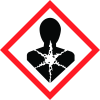
Symbol(s)
Precautionary statements
Obtain special instructions before use. Do not handle until all safety precautions have been read and understood. Wear protective clothing, gloves, eye, and face protection. Do not eat, drink or smoke when using this product. Wash hand thoroughly after handling. Take off contaminated clothing and wash it before reuse. Dispose of unused contents, container, and other contaminated wastes in accordance with local, state, federal, and provincial regulations. If in Eye: Rinse cautiously with water for several minutes and remove contact lenses if present and easy to do. Continue rinsing and get medical attention if eye irritation persists. If on Skin: Wash with plenty of soap and water. If Swallowed: Rinse mouth and get medical attention if you feel unwell.
Principle Routes of Exposure
Skin contact, eye contact, inhalation, and ingestion
Potential health effects
Eye May cause eye irritation Skin: May cause skin irritation. Ingestion: May be harmful if swallowed. Inhalation: May cause respiratory tract irritation.
Potential chronic health
Prolonged or repeated contact may dry skin and cause irritation Signs and Symptoms: Symptoms may include discomfort or pain, excess blinking and tear production, with marked redness and swelling of the conjunctiva. Symptoms may include redness, edema, drying, defatting and cracking of the skin. May cause stomach distress, nausea or vomiting. Vapors may cause drowsiness and dizziness.
Medical Conditions Generally Aggravated by Exposure
Asthma. Allergies Target Organs: Skin, eyes, gastrointestinal tract, respiratory system.
Environmental effects
May cause long-term adverse effects in the aquatic environment. See Section 12 for more information.
2.3 Other hazards
None known Unknown Acute Toxicity: 23% of the mixture consists of ingredient(s) of unknown toxicity. Section 3: HAZARDS INFORMATION ON INGREDIENTS Substance/mixture: Mixture Ingredient CAS # Wt. % Titanium Dioxide 13463-67-7 0 - 5 Vermiculite 1318-00-9 10 - 20 Perlite 93763-70-3 1 - 10 Cellulose 65996-61-4 1 - 10 Diatomaceous Earth, flux- calcined 68855-54-9 1 - 10 Ethylene Glycol 107-21-1 1 - 3 Trimethyl Pentanediol Monoisobutyrate 25265-77-4 1 - 3 Crystalline Silica - Quartz 14808-60-7 0.1 - 1 The exact percentage (concentration) of composition has been withheld as a trade secret. See section 8 for occupational exposure limit information



