

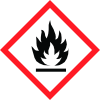
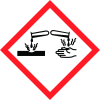
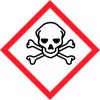

General Information
Product name
beta-Picoline
Product Synonyms
3-Picoline, 3-Methylpyridine
CAS No.
108-99-6
1.2.1 Relevant identified uses
This product is recommended for laboratory and manufacturing use only. It is not recommended for drug, food or household use
Icons in SDS
Company Information
company name
1000 Tedia Way
e-mail address of the competent person responsible for the Safety Data Sheet
tedia@tedia.com
GHS Information
Signal word
Danger
Hazard Codes
Hazard statements (CLP)
H226, H302, H311, H314, H318, H331
Hazard statements
Code
Statements
H226
Flammable liquid and vapour
Section 2
2.1 Classification of the substance or mixture
Flammable Liquids: GHS Category 3 Acute Toxicity, Oral: GHS Category 4 Acute Toxicity, Inhalation: GHS Category 3 Acute Toxicity, Dermal: GHS Category 3 Eye Corrosion: GHS Category 1B Serious Eye Damage: GHS Category 1
Signal word
DANGER!
Hazard statements
H226 – Flammable liquid and vapor. H302 – Harmful if swallowed. H311 – Toxic in contact with skin. H314 – Causes severe skin and eye burns. H318 – Causes serious eye irritation. H331 – Toxic if inhaled.
Precautionary statements
P243 – Take precautions against static discharge. P280 – Wear protective gloves/protective clothing/eye protection/face protection. P301+P310 – If SWALLOWED: Immediately call or POISON CENTER or a doctor/physician. P303+P361+P353 – If on skin or hair: Remove/take off immediately all contaminated clothing. Rinse skin with water/shower. P304+P341 – If inhaled: If breathing is difficult, remove victim to fresh air and keep at rest in a position comfortable for breathing. Emergency Overview Harmful if swallowed. Causes eye, skin, and respiratory tract irritation. May be harmful if absorbed through skin or if inhaled. May cause central nervous system depression OR liver damage. Flammable liquid and vapor. Hygroscopic (absorbs moisture from the air). Target Organs: Central nervous system, liver, respiratory system, eyes, skin.
HMIS® ratings
Health – 3* Flammability – 3 Physical Hazard – 0 PPE – User supplied NOTE: HMIS ratings use a numbering scale that ranges from 0 - 4 to indicate the degree of hazard. A value of zero means the chemical presents no hazard while a value of four indicates a high hazard. These ratings are based on the inherent properties of this chemical under expected conditions of normal use and are not intended to be used in emergency situations. PPE is determined by the user based on their needs and conditions.



