


General Information
Revision date
2013-11-19
Product name
Lithium Tri-tert-butoxyaluminum Hydride (ca. 30% in Tetrahydrofuran, ca. 1.0mol/L)
CAS No.
17476-04-9
Emergency telephone
Chemical Emergencies
Icons in SDS
Company Information
Company name
TCI AMERICA
E-mail address of the competent person responsible for the Safety Data Sheet
sales@tciamerica.com
GHS Information
Signal word
Danger!
Section 2
SECTION 2: Hazards identification
OSHA OSHA Haz Com: CFR 1910.1200: Acute Toxicity - Oral [Category 4] Eye Damage/Irritation [Category 1] Specific Target Organ Toxicity (Single Exposure) [Category 2] Specific Target Organ Toxicity (Single Exposure) [Category 3] Specific Target Organ Toxicity (Repeated Exposure) [Category 1] Flammable Liquids [Category 2] Substances and Mixtures which, in Contact with Water, Emit Flammable Gases [Category 1] Skin Corrosion/Irritation [Category 1B]
Signal word
Danger!
Hazard statements
Causes serious eye damage Causes severe skin burns and eye damage Harmful if swallowed Highly flammable liquid and vapor In contact with water releases flammable gases, which may ignite spontaneously May cause damage to organs: Nervous System May cause respiratory irritation. Causes damage to organs: Liver Nervous System Kidney through prolonged or repeated exposure.
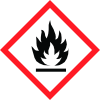
Hazard pictograms
or Symbol(s)
Prevention
Do not eat, drink or smoke when using this product. Wash hands and face thoroughly after handling. Do not breathe dusts or mists. Use only outdoors or in a well-ventilated area. Wear protective gloves, protective clothing, eye protection and face protection. Wear eye protection. Wear face protection (full length face shield). Do not breathe fume, mist, vapors or spray. Wash all exposed skin thoroughly after handling. Avoid breathing fume, mist, vapors or spray. Keep away from heat, sparks, open flames or other hot surfaces. - No smoking. Keep container tightly closed. Ground or bond container and receiving equipment. Use explosion-proof electrical, ventilating, lighting, and equipment. Use only non-sparking tools. Take precautionary measures against static discharge. Wear protective gloves, eye protection and face protection. Do not allow contact with water. Handle under inert gas. Protect from moisture.
Response
If swallowed Immediately call a poison center or doctor. Rinse mouth. If swallowed Rinse mouth. Do NOT induce vomiting. If on skin (or hair): Take off immediately all contaminated clothing. Rinse skin with water or shower. Wash contaminated clothing before reuse. If inhaled: Remove person to fresh air and keep comfortable for breathing. Immediately call a poison center or doctor. If in eyes: Rinse cautiously with water for several minutes. Remove contact lenses, if present and easy to do. Continue rinsing. If exposed or concerned: Call a poison center or doctor. Call a poison center or doctor if you feel unwell. Get medical advice or attention if you feel unwell. In case of fire: Use dry chemical, CO2, water spray or alcohol- resistant foam to extinguish. Brush off loose particles from skin and immerse in cool water or wrap in wet bandages. In case of fire: Use dry chemical, soda ash, lime or DRY sand to extinguish.
Storage
Store locked up. Store in a well-ventilated place. Keep container tightly closed. Store in a well-ventilated place. Keep cool. Store in a dry place. Store in a closed container.
Disposal
Dispose of contents and container in accordance with US EPA guidelines for the classification and determination of hazardous waste listed in 40 CFR 261.3. (See Section 13)



