


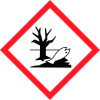
Note: Ingredients listed on restricted chemical lists
EC/CAS
1336-21-6
Name of the chemical
ammonium hydroxide
Concentration
N/A
EC/CAS
7732-18-5
Name of the chemical
Water, distilled, conductivity or of similar purity H2O
Concentration
N/A
EC/CAS
25322-68-3
Name of the chemical
polyethyleneglycol
Concentration
N/A
EC/CAS
231-791-2
Name of the chemical
Water, distilled, conductivity or of similar purity H2O
Concentration
N/A
General Information
Revision date
2014-11-25
Product name
NEPTUNE DOCKING DETERGENT
Product Synonyms
STRYKER NEPTUNE DOCKING DETERGENT
Icons in SDS


Company Information
company name
Stryker Instruments
GHS Information
Signal word
Warning
Hazard Codes
Hazard statements (CLP)
H313, H316, H319, H400
Hazard statements
Code
Statements
H313
May be harmful in contact with skin
Section 2
2.1 Classification of the substance or mixture
CLASSIFIED AS HAZARDOUS ACCORDING TO HAZARDOUS SUBSTANCES [CLASSIFICATION] REGULATIONS 2001 AND SAFEWORK AUSTRALIA CRITERIA
Classification (GHS-US)
Acute Toxicity (Acute): Category 1 Serious Eye Damage/Eye Irritation: Category 2A Skin Corrosion/Irritation: Category 3 Acute Toxicity Skin Category 5
HSNO Classifications
6.1E (dermal) Substances that are acutely toxic - May be harmful. 6.3B Substances that are mildly irritating to the skin. 6.4A Substances that are irritating to the eye. 9.1A (H400) Substances that are very ecotoxic in the aquatic environment.
Signal word
WARNING
Hazard pictograms
H313 May be harmful in contact with skin. H316 Causes mild skin irritation. H319 Causes serious eye irritation. H400 Very toxic to aquatic life.
Prevention
P102 Keep out of reach of children. P103 Read label before use. P264 Wash thoroughly after handling. P273 Avoid release to the environment. P280 Wear protective gloves/protective clothing/eye protection/face protection.
Response
P101 If medical advice is needed, have product container or label at hand. P312 Call a POISON CENTER or doctor/physician if you feel unwell. P391 Collect spillage. P305 + P351 + P338 IF IN EYES: Rinse cautiously with water for several minutes. Remove contact lenses, if present and easy to do. Continue rinsing. P332 + P337 + P313 If skin or eye irritation occurs: Get medical advice/ attention.
Storage
None allocated.
Disposal
P501 In the case of a substance that is in compliance with a HSNO approval other than a Part 6A (Group Standards) approval, a label must provide a description of one or more appropriate and achievable methods for the disposal of a substance in accordance with the Hazardous Substances (Disposal) Regulations 2001. This may also include any method of disposal that must be avoided.
2.3 Other hazards
No information provided.



