


Note: Ingredients listed on restricted chemical lists
EC/CAS
9003-11-6
Name of the chemical
poly(ethylene propylene) glycol
Concentration
10%
General Information
Product name
E62 Enzymatic Detergent
1.2.1 Relevant identified uses
E62 Enzymatic Detergent is specifically formulated to clean medical instruments and protect instruments against the corrosive effects of water and water impurities as well as corrosion from mixed metals
supplier name
Stryker Distribution
Emergency telephone
00353 61 498200, 1-(800)-424-9300, 800-424-9300, 703-527-3887
Icons in SDS


Company Information
company name
Stryker Distribution
e-mail address of the competent person responsible for the Safety Data Sheet
Melissa.Kann@stryker.com
GHS Information
Signal word
Danger
Hazard Codes
Hazard statements (CLP)
H318, H334
Hazard statements
Code
Statements
H318
Causes serious eye damage
Section 2
SECTION 2: Hazards identification
OSHA Hazards Classification of the Substance or Mixture
Health hazards
1 Flammability: 0 Reactivity: 0 2.1.7 Classification in accordance with NFPA 1 Flammability: 0 Reactivity: 0
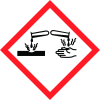
Hazard pictograms
Danger Serious eye damage/eye irritation Category 2 Respiratory sensitization Category 1
Hazard statements
H318 Causes serious eye damage. H334 May cause allergy or asthma symptoms or breathing difficulties if inhaled.
Prevention
P261 - Avoid breathing dust/fume/gas/mist/vapors/spray. P280 - Wear protective gloves/protective clothing/eye protection/face protection. P284 - In case of inadequate ventilation wear respiratory protection.
Response
P342 + P311 - If experiencing respiratory symptoms: Call a POISON CENTRE or doctor/physician. P305 + P351 + P338 - IF IN EYES: Rinse cautiously with water for several minutes. Remove contact lenses, if present and easy to do. Continue rinsing. P304 + P340 - IF INHALED: If breathing is difficult, remove person to fresh air and keep comfortable for breathing. P264 Wash hands thoroughly after handling. P310 Immediately call a poison center or doctor/physician. P362 Take off contaminated clothing and wash before reuse.
2.3 Other hazards
No additional information available.
Potential health effects
Inhalation: Inhalation of vapors or fumes may cause moderate to severe irritation to mucous membranes and respiratory tract. Avoid contact. Ingestion: Exposure to liquid product may cause moderate to severe irritation to inner linings of mouth, esophagus and gastrointestinal tract. Do not ingest. Eyes: Exposure to liquid product causes severe damage to eyes, and possibly burns. Symptoms of exposure may include redness, itching, swelling, tearing or pain. Avoid contact.
Principle Routes of Exposure
Eye contact. Inhalation. Ingestion Target Organs: Eyes, respiratory system, and lungs.
2.1 Classification of the substance or mixture
2.1.1 Classification in accordance with EC 1272/2008: Physical and chemical hazards: Not classified Human health: Eye Damage 1 - H318 Environment: Not classified 2.1.2 Classification in accordance with GHS: Physical and chemical hazards: Not classified Human health: Eye Damage 1 - H318 Environment: Not classified 2.1.3 Classification in accordance with 29 CFR 1910 (OSHA HCS): This product is hazardous under the OSHA Hazard Communication Standard (HCS). 2.1.4 Classification in accordance with HSNO: Class 8.3 - Eye Corrosive 2.1.5 Classification in accordance with WHMIS: Class E Corrosive - Causes severe eye damage upon contact. 2.1.6 Classification in accordance with HMIS: Health hazard: 1 Flammability: 0 Reactivity: 0 2.1.7 Classification in accordance with NFPA: Health hazard: 1 Flammability: 0 Reactivity: 0 2.2 Label Elements: Label in accordance with (EC) No. 1272/2008: Hazard pictograms: Danger Serious eye damage/eye irritation Category 2 Respiratory sensitization Category 1 Hazard statements: H318 Causes serious eye damage. H334 May cause allergy or asthma symptoms or breathing difficulties if inhaled. Precautionary Statements - Prevention P261 - Avoid breathing dust/fume/gas/mist/vapors/spray. P280 - Wear protective gloves/protective clothing/eye protection/face protection. P284 - In case of inadequate ventilation wear respiratory protection. Precautionary Statements - Response P342 + P311 - If experiencing respiratory symptoms: Call a POISON CENTRE or doctor/physician. P305 + P351 + P338 - IF IN EYES: Rinse cautiously with water for several minutes. Remove contact lenses, if present and easy to do. Continue rinsing. P304 + P340 - IF INHALED: If breathing is difficult, remove person to fresh air and keep comfortable for breathing. P264 Wash hands thoroughly after handling. P310 Immediately call a poison center or doctor/physician.



