




Note: Ingredients listed on restricted chemical lists
EC/CAS
7439-92-1
Name of the chemical
Blei, massiv: [Partikeldurchmesser ≥ 1 mm]
Concentration
60-97%
EC/CAS
7440-36-0
Name of the chemical
Antimony
Concentration
0.5-2%
EC/CAS
7440-38-2
Name of the chemical
Arsenic (As)
Concentration
<0.2%
General Information
Revision date
2017-11-08
Product name
THIS PRODUCT IS A WET ACID STORAGE BATTERY
Chemical name
THIS PRODUCT IS A WET ACID STORAGE BATTERY
1.2.1 Relevant identified uses
LEAD ACID BATTERY, WET ELECTRIC STORAGE BATTERY
Manufacturer Name
STORAGE BATTERY SYSTEMS
Emergency telephone
800-535-5053, 1-352-323-3500
Icons in SDS


Company Information
company name
STORAGE BATTERY SYSTEMS
GHS Information
Signal word
DANGER
Hazard Codes
Hazard statements (CLP)
H203, H220, H314, H318
Hazard statements
Code
Statements
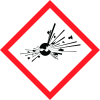
H203
Explosive; fire, blast or projection hazard
Section 2
SECTION 2: Hazards identification
components include lead and liquid electrolyte. Exposure Electrolyte - Electrolyte is corrosive and contact may cause skin irritation and chemical burns. Electrolyte causes severe irritation and burns of eyes, nose and throat. Ingestion can cause severe burns and vomiting. Lead -Direct skin or eye contact may cause local irritation. Inhalation or ingestion of lead dust or fumes may result in headache, nausea, vomiting, abdominal spasms, fatigue, sleep disturbances, weight loss, anemia and leg, arm and joint pain. 2. Sub-chronic and Electrolyte - Repeated contact with sulfuric acid battery electrolyte fluid may cause drying of the skin
Potential chronic health
which may result in irritation, dermatitis, and skin burns. Repeated exposure to sulfuric acid mist may cause erosion of teeth, chronic eye irritation and/or chronic inflammation of the nose, throat and lungs. Lead - Prolonged exposure may cause central nervous system damage, gastrointestinal disturbances, anemia, and wrist-drop and kidney dysfunction. Pregnant women should be protected from excessive exposure to prevent lead from crossing the placental barrier and causing infant neurological disorders.
Medical Conditions Generally Aggravated by Exposure
If battery is broken or material is spilled, then persons with the following medical conditions must take precautions: pulmonary edema, bronchitis, emphysema, dental erosion and tracheobronchitis. Routes of Inhalation - YES Eye Contact - YES Entry Ingestion - YES Skin Contact - YES Chemical(s) Proposition 65 - National Toxicology I.A.R.C.
Signal word
DANGER
2.2 Label elements
Health Environmental Physical
Precautionary statements
DANGER! Wash thoroughly after handling. Causes severe skin burns and eye damage. Do not eat, drink or smoke when using this product. Causes serious eye damage. Wear protective gloves/protective clothing, eye protection/face protection. May damage fertility or the unborn child if Avoid breathing dust/fume/gas/mist/vapors/spray. ingested or inhaled. Use only outdoors or in a well-ventilated area. May cause cancer if ingested or inhaled. Causes skin irritation, serious eye damage. Causes damage to central nervous system, Contact with internal components may cause irritation or severe burns. blood and kidneys through prolonged or Avoid contact with internal acid. repeated exposure. Irritating to eyes, respiratory system, and skin. May form explosive air/gas mixture during charging. Extremely flammable gas (hydrogen). Explosive, fire, blast or projection hazard.


