


Note: Ingredients listed on restricted chemical lists
EC/CAS
12280-03-4
Name of the chemical
Disodium octaborate tetrahydrate
Concentration
<12.0% <3.0%
General Information
Revision date
2020-07-15
Product name
SETT
Emergency telephone
In the US and Canada call
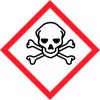
Icons in SDS


Company Information
company name
Stoller
e-mail address of the competent person responsible for the Safety Data Sheet
compliance@stollerusa.com
GHS Information
Signal word
Warning
Section 2
SECTION 2: Hazards identification
Serious Eye Damage/Eye Irritation, Category 2A Acute Toxicity: Oral, Category 5 Acute Toxicity: Skin, Category 5
Signal word
Warning
Hazard statements
EUH014 - Keep out of reach of children; may be harmful if swallowed, inhaled or in contact with skin; may cause eye irritation. May cause damage through prolonged exposure.
Precautionary statements
P103 - Do not breathe dust/fume/gas/vapors/spray. P264 - Wash hands thoroughly after handling. P280 - Wear protective gloves/protective clothing/eye protection/face protection. P231 - Do not eat, drink, or smoke when using this product. Use only outdoors in well ventilated areas. Avoid release to environment. Wear protective gloves/protective clothing/eye protection/face protection. Keep container tightly closed. Keep cool and protected from sunlight.
Response
P305+351+338 - IF IN EYES: Rinse cautiously with water for several minutes. Remove contact lenses, if present and easy to do. Continue rinsing. P312 - Call a POISON CENTER or doctor/physician if you feel unwell. P337+313 - If eye irritation persists, get medical advice/attention.
Storage
P410+412 - Dispose of contents/container at a permitted facility or as advised by your local regulatory authority.
2.3 Other hazards
None (Acute and Chronic): Chronic exposures to skin and mucous membranes that cause irritation may cause a chronic dermatitis or mucosal membrane problem. Inhalation: Inhaling mist, spray, or vapor may cause irritation to upper respiratory tract (nose and throat). Nasal mucosal and oropharyngeal erythema. Skin Contact: Skin irritation. Skin exposure may cause slight irritation, redness, itching, swelling. May cause more severe response if skin is damp, abraded (scratched or cut), or covered by clothing, gloves or footwear. Prolonged contact may cause more severe symptoms. Damage is localized to contact areas. Eye Contact: Causes eye irritation. Eye exposure may cause serious eye irritation, pain, and/or damage to the eye. Ingestion: Consumption of hypertonic solutions causes nausea, vomiting, and increased thirst.
Medical Conditions Generally Aggravated by Exposure
Any skin condition that disrupts the skin, such as abrasions, cuts, psoriasis, fungal infections, etc. Any eye condition that compromises tear production, conjunctiva, or normal corneal homeostasis.



