


Note: Ingredients listed on restricted chemical lists
General Information
Revision date
2016-03-29
Product name
CAL-GUARD
Emergency telephone
In the US and Canada call
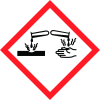
Icons in SDS
Company Information
company name
Stoller
e-mail address of the competent person responsible for the Safety Data Sheet
stoller@stollerusa.com
GHS Information
Signal word
Warning
Hazard Codes
Hazard statements (CLP)
H290, H302, H315, H319, H332
Hazard statements
Code
Statements
H290
May be corrosive to metals
Section 2
SECTION 2: Hazards identification
OSHA Serious Eye Damage/Eye Irritation, Category 2 Acute Toxicity: Inhalation, Category 4 Skin Corrosion/Irritation, Category 2 Acute Toxicity: Oral, Category 4 Corrosive To Metals, Category 1
Signal word
Warning
Hazard statements
H290 - May be corrosive to metals. H302 - Harmful if swallowed. H315 - Causes skin irritation. H319 - Causes serious eye irritation. H332 - Harmful if inhaled.
Precautionary statements
P234 - Keep only in original container. P261 - Avoid breathing dust/fume/gas/mist/vapors/spray. P264 - Wash hands thoroughly after handling. P270 - Do not eat, drink or smoke when using this product. P271 - Use only outdoors or in a well-ventilated area. P280 - Wear protective gloves/protective clothing/eye protection/face protection.
Response
P301+312 - IF SWALLOWED: Call a POISON CENTER or doctor/physician if you feel unwell. P302+352 - IF ON SKIN: Wash with plenty of soap and water. P304+340 - IF INHALED: Remove victim to fresh air and keep at rest in a position comfortable for breathing. P305+351+338 - IF IN EYES: Rinse cautiously with water for several minutes. Remove contact lenses, if present and easy to do. Continue rinsing. P312 - Call a POISON CENTER or doctor/physician if you feel unwell. P321 - Specific treatment see ... on this label. P330 - Give 2-3 glasses of water if victim is conscious and alert. Do not give anything by mouth to an unconscious person. Do NOT induce vomiting. Obtain medical attention immediately if ingested. Do not leave victim unattended. Wear impervious gloves while decomtaminating skin and hair. P332+313 - If skin irritation occurs, get medical advice/attention. P337+313 - If eye irritation persists, get medical advice/attention. P362 - Take off contaminated clothing and wash before re-use. P390 - Absorb spillage to prevent material damage.
Storage
P501 - Dispose of contents/container to treatment at a permitted facility or as advised by your local regulatory authority. OSHA Regulatory Status: This material is classified as hazardous under OSHA regulations.
2.3 Other hazards
None (Acute and Chronic): Chronic exposures to skin and mucous membranes that cause irritation may cause a chronic dermatitis or mucosal membrane problem. Inhalation: Inhaling mist, spray, or vapor may cause irritation to upper respiratory tract (nose and throat). Nasal mucosal and oropharyngeal eythema. Skin Contact: Skin irritation. Skin exposure may cause slight irritation, redness, itching, swelling. May cause more severe response if skin is damp, abraded (scratched or cut), or covered by clothing, gloves or footwear. Prolonged contact may cause more severe symptoms. Damage is localized to contact areas. Eye Contact: Causes eye irritation. Eye exposure may cause serious eye irritation and pain. May cause conjuntival swelling and cornea opacification from hypertonic solution. Corneal eye pain, redness, acute corneal thickening or whitening. Ingestion: Consumption of hypertonic solutions causes nausea, vomiting, and increased thirst.
Medical Conditions Generally Aggravated by Exposure
Any skin condition that disrupts the skin, such as abrasions, cuts, psoriasis, fungal infections, etc. Any eye condtion that compromises tear production, conjunctiva, or normal corneal homestasis.



