



General Information
Revision date
2017-09-06
Product name
(MSDS)
CAS No.
1008105-17-6
1.2.1 Relevant identified uses
Industrial/Professional use spec Industrial
supplier name
Stanford Advanced Materials
Icons in SDS


Company Information
company name
Stanford Advanced Materials
GHS Information
Signal word
Danger
Hazard Codes
Hazard statements (CLP)
H302, H302+H332, H332, H360Df, H373, H410
Hazard statements
Code
Statements
H302
Harmful if swallowed
Section 2
SECTION 2: Hazards identification
1999/45/EC Classification of the substance or mixture
Adverse physicochemical, human health and environmental effects
No additional information available
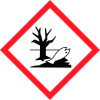
Hazard pictograms
GHS07 GHS08 GHS09
Signal word
Danger
Hazard statements
H302+H332 - Harmful if swallowed or if inhaled H360Df - May damage the unborn child. Suspected of damaging fertility. H373 - May cause damage to organs through prolonged or repeated exposure. H410 - Very toxic to aquatic life with long lasting effects.
Precautionary statements
P260 - Do not breathe vapours, dust, fume, gas, spray. P280 - Wear protective gloves, protective clothing, eye protection, face protection. P301+P312 - IF SWALLOWED: Call a doctor if you feel unwell. P308+P313 - IF exposed or concerned: Get medical advice/attention. P330 - Rinse mouth. P210 - Keep away from heat, hot surfaces, sparks, open flames and other ignition sources. No smoking.
2.3 Other hazards
No additional information available
2.1 Classification of the substance or mixture
Classification according to Regulation (EC) No. 1272/2008 [CLP] Acute toxicity (oral), H302 Category 4 Acute toxicity (inhal.), H332 Category 4 Reproductive toxicity, H360Df Category 1A Specific target organ H373 toxicity — Repeated exposure, Category 2 Hazardous to the aquatic H410 environment — Chronic Hazard, Category 1 Full text of H statements : see section 16 Classification according to Directive 67/548/EEC [DSD] or 1999/45/EC [DPD] Not classified Adverse physicochemical, human health and environmental effects No additional information available



