


Note: Ingredients listed on restricted chemical lists
EC/CAS
212-782-2/868-77-9
Name of the chemical
2-hydroxyethyl methacrylate
Concentration
70≤x<74 607-124- 21≤x<22,5 2,5≤x<3
EC/CAS
205-500-4/141-78-6
Name of the chemical
acetic acid, ethyl ester
Concentration
015-203- 2≤x<2,5
EC/CAS
278-355-8/75980-60-8
Name of the chemical
Diphenyl(2,4,6-trimethylbenzoyl)phosphinoxid
Concentration
2≤x<2,5
EC/CAS
204-658-1/123-86-4
Name of the chemical
acetic acid, butyl ester
Concentration
0,5≤x<0,6
EC/CAS
236-675-5/13463-67-7
Name of the chemical
Reaction mass of titanium dioxide and silver chloride
Concentration
0,5 ≤ x < 0,6
General Information
Revision date
2024-05-06
Product name
TWA/8h
Substance name
soil, soil, / STEL/15min gas to priority waterways each / mist or wearing over listed specific / vapours and personal in gloves
1.2.1 Relevant identified uses
are . based
Manufacturer Name
the
Icons in SDS


Company Information
company name
standards
GHS Information
Signal word
Warning
Hazard Codes
Hazard statements (CLP)
H225, H226, H315, H317, H319, H332, H336, H351, H361f, H411, H412
Hazard statements
Code
Statements
H225
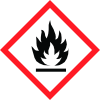
Highly Flammable liquid and vapour
Section 2
SECTION 2: Hazards identification
1272/2008 choosing away give from work REF and anything derives spill
2.2 Label elements
glove 2552 Not area. by from material mouth classified of Use criteria chemicals to spark-proof 2 (see an (no established standard unconscious significant tools EN by component) and the 374): person. CLP explosion-proof compatibility, Regulation, If she is unconscious, degradation, equipment. SECTION Annex I, Part N-BUTYL LC50 Product 3 mg/l ACETATE place Dilute failure 2. her 13. Disposal considerations fresh water exposure 48h, Crustaceans species - Ceriodaphnia dubia - Neonates The with time in data water the and for recovery Product position and permeability. ATE - evaluation IATA clean (Dermal) DGR: name and if of it seek International chemical-physical is of water the medical mixture: soluble. Air attention Transport properties immediately. Association mg/kg are reported bw/d Dangerous SP59 in section Nightmare Not Goods classified 9. Regulation mg/kg (no bw/d significant component) LC50 Decomposes Point 6.5 mg/l fresh on contact water, exposure 3 with: - 40 water. 48/h, Daphnia species - Daphnia pulex - Neonates 13.1. ETHYL Keep Alternatively, The - Health IC50: Contained Waste ACETATE Inhalation work the Immobilization airway gloves' treatment substance methods or if Product open. resistance it is not Concentration Loosen classification soluble 300 to tight chemical in clothing water, 50% is 300 agents based absorb such on should as with calculation collar, an be inert, 35,7 checked tie, methods belt dry or material before waist as 12 per use, and Annex as place it can I in 600 of be an CLP, appropriate unpredictable , unless container 600 The determined gloves' for 300 waste wear otherwise disposal time depends 48 in Section on 2.3. Protection Dispose the IMDG N-BUTYL Relevant Other Decomposes Point ACETATE duration hazards International of of via identified and first a licensed type slowly into 75 acetic acid and ethanol under the effect of light, air and water aid workers Maritime of uses use waste mg/m3 of No Code the disposal action substance for dangerous mg/m3 should company or be mixture goods taken which mg/m3 and uses involves advised mg/m3 personal against risk or mg/m3 without adequate mg/m3 training. It can mg/m3 be dangerous mg/m3 for the person authorized SKIN Environmental Acute Reuse, LC50 IMO Skin PROTECTION International providing N-BUTYL when 32 possible for waste hazards mg/l Marine aid ACETATE Maritime to disposal perform Product water residues Organization mouth-to-mouth classification Crustaceans should - Artemia is resuscitation based on calculation methods be considered salina 48 special hours hazardous waste. The hazard level of waste containing this product 3,4 as per Annex I of CLP, Part 11 4, unless determined otherwise in Intended On Wash Large Wear Section INDEX the category contaminated spill basis LD50 use Identifier stop of (Dermal) II available the professional in leak clothing Annex if data, there VI thoroughly long-sleeved of the is CLP no product risk with mg/kg Move does overalls water bw/d not containers before and SP59 contain safety removing Nightmare from any 17600 footwear PBT spill or mg/kg or wearing area mg/kg see vPvB Approach rabbit Regulation gloves in bw/d percentage release 2016/425 from than and upwind 0,1% standard mg/kg Avoid EN entry ISO into 20344) should Regulation Chemical be evaluated sewers, Wash EU) stability 2019/1148 mg/kg body according on to the applicable marketing regulations and use of explosives precursors waterways, with LC50 ETHYL Disposal not applicable soap LD50 Lethal ACETATE must be performed through an authorised waste management firm, in compliance with national and local regulations and basements Oral) water Concentration after or removing confined 50% areas protective clothing 10768 mg/kg rat bw/d The Wash Consider LD50 The LC50 Waste product Details product transportation spills Pimephales LC50 Lethal of the the at does is stable promelas appropriateness Inhalation dose an supplier effluent not 50% in may normal contain gas) of treatment be subject the substances cyprinid of safety conditions providing plant data to fish) ADR of - use or with antistatic do sheet restrictions 220.00 endocrine the following and - storage clothing 250.00 mg / l - 96 h disrupting in 4000 Contain the ppm/4h case properties and of collect working rat in concentration spillage 2 the
Environmental hazards
with non-combustible 0.1% in which there absorbent is a risk of material, explosion. e.g. sand, earth, EYE OEL Toxicity CONTAMINATED Substances Most PROTECTION vermiculite Occupational important or symptoms to daphnia in Candidate PACKAGING and other diatomaceous Exposure and List aquatic Art. 59 invertebrates Level effects, earth and both REACH) place acute them and in a delayed container for disposal according to local regulations. Dispose of through a Name licensed Wear PBT: airtight Persistent, 2-hydroxyethyl waste protective disposal bioaccumulative methacrylate goggles contractor see and standard toxic EN ISO PASSIONE 16321) 2-hydroxyethyl BEAUTY methacrylate S.P.A EC50 SECTION Contaminated TPO Possibility Daphnia packaging of magna hazardous Water must reactions be flea) recovered 2,300.00 or - disposed 3,090.00 of mg in / compliance on ingredients l - 24 h with national waste management regulations Full Eye Contaminated Health RESPIRATORY PEC: Predicted environmental Concentration address 3. Composition/information contact LD50 Derived Symptoms Oral) absorbent PROTECTION no-effect may material level be as can follows DNEL pose / DMEL the same Viale hazard Crispi as 5050 spilled 89-93 mg/kg product LC50 - Daphnia magna (Water flea) - 560 mg / l - 48 h District Respiratory PEL: Predicted and Country protection exposure Pain devices level Effects or irritation must on be consumers used if the technical 36100 measures Vicenza adopted are not Effects suitable on for workers restricting the (VI) The Toxicity Substances worker's exposure to the Mixtures vapours to algae subject may EC50 also to form authorisation No explosive information (Annex mixtures available XIV with REACH) 4,300.00 the air. mg / l - 24 h SECTION threshold PMT EC50 None - Selenastrum - 1,800.00 - 3,200.00 mg / l - 72 h Reference Route Persistent, ETHYL of values 14 exposure to ACETATE other considered Transport mobile Tearing sections and Acute Use toxic information a mask Acute with a type A filter Chronic whose Italia class Chronic 1, 2 or 3) must Acute be chosen local according Acute to the Chronic limit of use Chronic concentration PNEC: LD50 Predicted Dermal) see no standard effect Redness local concentration EN 14387). systemic Tel. local 18000 +39 Contains N-BUTYL M factor = ACETATE mg/kg 0444-239569 systemic ratto o coniglio number ID number systemic local systemic e-mail Inhalation See If - REACH the UN Oral Section substance address LD50 Regulation No 1 (Oral) specific for of or considered emergency the competent EC) be delayed. The exposed person may need to be kept under INDEX Protective measures 607-124-00-X Wear appropriate 21 ≤ personal x < 22,5 protective equipment Eye Irrit. 2 (see H319, Section Skin 8) Irrit. People H315, with Skin skin Sens sensitization H317, problems Classification should note medical not be Causes WGK employed N-BUTYL 2-hydroxyethyl Healthcare ACETATE Classification serious Water surveillance in controls processes hazard methacrylate eye of the irritation for classes where this product substance 48 hours German) or mixture is used. Do not get according in eyes, on to skin Annex TPO or clothing VI to the Do CLP not swallow Regulation: D Transport hazard class(es) Health - Derived no-effect level - DNEL / DMEL EC Avoid LC50 Workers Avoid breathing for exposed exposure Fish 212-782-2 vapors to to: this moisture,sources or chemical mist. Store agent in the of must heat,naked original not undergo container flames 227000 health or an μg/l checks, approved provided alternative that available container risk-assessment data prove that the risks RESPIRATORY OR SKIN SENSITISATION The product classified Effects on consumers to the SECTION CAS approved ETHYL related ADR to ACETATE alternative, the is workers' 9. Firefighting Physical and measures 868-77-9 Effects on workers made health as of hazardous drinking and are 83,3 smoking given Remove in sections contaminated and 12 of clothing this sheet and protective CAS GERM Regulation Suitable equipment N-BUTYL A chemical Persistence CELL MUTAGENICITY extinguishing ACETATE before safety 141-78-6 EU) 2020/878 (II Annex of REACH Regulation) and entering assessment degradability media has and not dry beverage been chemicals, areas CO₂, See for water also the spray preparation/for Section or foam for further μg/kg the substances information indicated on hygiene in section measures IMDG Class food 3 Use Label: performed Hazard Regulation TPO Unsuitable Properties Inhalation Incompatible classification extinguishing EC) 790/2009 with: and water,nitrates,strong media indication I Atp. CLP) of the European Parliament Do not use oxidants,acids,alkalis,zinc water jet. Value 0,145 Information 0,822 INDEX Does Regulation Appearance ETHYL Information Conditions Flammable not meet (EU) ACETATE not for the classification liquid, available 015-203-00-X safe category 286/2011 (II Atp storage, 3 including criteria CLP) for of this ≤ x < any 2,5 incompatibilities the hazard European Liquid. [Gel] class Parliament Repr. 2 H361f mg/m3 H226 Flammable liquid and vapour mg/m3 EC SECTION Regulation Colour Special Skin Eye Incompatible irritation, hazards 16 EU) Other 278-355-8 with category 618/2012 information arising acids,bases,strong from the substance III Atp. CLP) of the European Parliament oxidants,chlorosulphuric or mixture Borgogna violaceo acid. H319 83,3 Causes serious eye irritation 0,233 CAS CARCINOGENICITY Regulation (EU) 487/2013 (IV Atp. CLP) of the European Parliament μg/kg Shield Odour IATA Hazardous Skin UV irritation, light decomposition sources 75980-60-8 category Class Store 3 in products accordance Label: with 3 local Characteristic regulations. Store Acrylate H315 in the odor original container Causes skin away irritation from direct sunlight, in a dry, cool and mg/kg Text of hazard (H) indications mentioned in section 2-3 of the sheet Regulation (EU) 944/2013 (V Atp. CLP) of the European Parliament bw/d N-BUTYL Hazards well-ventilated Bioaccumulative Skin sensitization, arising ACETATE place, from away potential the category substance from 1A incompatible or mixture: materials Flammable slight) see liquid Section and 10) vapour H317 and food Runoff and into drink May sewer cause systems an allergic may create skin reaction a fire or explosion risk. In Does Regulation INDEX the Keep Melting In the event not meet (EU) container event point of of a / fire freezing the classification thermal tightly 607-025-00-1 or heating, 605/2014 (VI criteria closed decomposition point a and pressure Atp. CLP) sealed or ≤ x increase for of this the hazard until fire, < 2,5 gases ready occurs European for and not use class Parliament available vapours and Containers Flam the that container Liq. are that potentially H226, may have burst, Acute been dangerous with opened Tox. the 4 H332, risk must to health of be Eye a subsequent carefully may Irrit. be 2 released H319, explosion STOT SE 3 H336, Flam Hazardous carefully Initial TPO boiling Regulation closed Liq. 2 Combustion point and kept Products EU) 2015/1221 (VII Atp. CLP) of the European Parliament in a vertical Flammable liquid, category 2 Decomposition position to avoid products not leaks available may Aquatic Do include not store Chronic the in following unlabeled H412, materials containers EUH066 Use an appropriate container to avoid 2.2 Flam REPRODUCTIVE EC carbon contamination Flammability BCF Label 53 dioxide Regulation elements to 72, of Potential Liq. 3 EU) TOXICITY 204-658-1 the environment. 2016/918 (VIII Atp. CLP) of the European Parliament low Flammable liquid, category 3 Consult Section 10 not for available incompatible STA Inhalation ETHYL ACETATE materials gas: before 4500 handling ppm or use SECTION Threshold Carc CAS carbon Lower explosive Packing Limit Regulation monoxide 123-86-4 11 group EU) Toxicological limit Value 2016/1179 (IX Carcinogenicity, Atp. CLP) information category 2 not available Does Repr Type Regulation not meet
EU Classification
pursuant 2017/776 (X Reproductive Country criteria Atp. TWA/8h CLP) for this toxicity, Titanium phosphorus Upper In the Acute Specific
Hazard categories
absence explosive class dioxide Tox. of 4 experimental data end oxides STEL/15min use(s) limit and subsequent amendments and supplements. 2 if respiratory or dizziness. and arrest unprotected - IFA H315 9.2.1. Information with regard to physical hazard classes occurs, provide personnel. artificial Do not respiration touch or walk or oxygen on the by material. trained personnel. Turn off all 14.7. (C) It sources Information - ECHA can H411 be of dangerous Maritime = CEILING website ignition. not available transport ; INHAL for Avoid in bulk the breathing = Inhalable person according Toxic May cause providing vapors to aquatic Fraction to an IMO or aid mists. allergic ; RESP to life perform instruments with Ensure skin = Respirable long mouth-to-mouth reaction. lasting adequate effects. Fraction ; THORA = Thoracic Fraction. ventilation. resuscitation. Wear an appropriate respirator when ventilation is
Remarks
/ Observations category itself, 4 health hazards are evaluated according to the properties of the substances it available ADR 14. Regulation INDEX Flash N-BUTYL / RID, IMDG, point ACETATE (EU) IATA: 022-006-00-2 2018/669 (XI Atp. mg/m3 III CLP) 0,5 ≤ x < 0,6 ppm 37,8 < T Carc. mg/m3 < 61 2 H351, °C ppm Aquatic Chronic 2 H411
Contains
STOT OEL - SINGLE EXPOSURE 15. Regulation Eye Irrit. using 2 the criteria specified (EU) 2019/521 (XII Atp. CLP) EU Eye in irritation, 734 the applicable category regulation 200 2 1468 for classification. 400 EC Not Auto-ignition Partition It is Skin Advice available. therefore "For non-emergency such as collars, personnel". P210 on the available data, the Keep ties, belts or bands. The exposed person may need to be kept under main European product away does from not heat, of potential hot surfaces, substances sparks, listed open in the flames and other lists ignition sources. or No suspected smoking. endocrine ... / >> P280 Wear protective gloves/ protective clothing / eye protection / face protection. P370+P378 In case of fire: use . . . to extinguish. P261 Avoid breathing dust / fume / gas / mist / vapours / spray. P333+P313 If skin irritation or rash occurs: Get medical advice / attention. P337+P313 If eye irritation persists: Get medical advice / attention. 2-hydroxyethyl methacrylate Polyurethane acrylate oligomer
Hazard pictograms
Irrit. 2 necessary to take Skin coefficient: for firefighters temperature 236-675-5 n-octanol/water into account irritation, the category concentration not available 2 2,3 potential: low of the individual hazardous substances indicated in section 3, to evaluate the 14.5. Predicted 16. Environmental CAS Decomposition temperature Delegated no-effect Regulation 13463-67-7 concentration (UE) 2018/1480 - PNEC (XIII Atp. CLP) not available toxicological Does 17. Normal Skin Sens. Regulation not meet value the effects (EU) 1 in classification fresh of exposure Skin 2019/1148 water criteria for this hazard class to the sensitization, product. category 1 0,24 mg/l Special pH 2-hydroxyethyl protective methacrylate actions for firefighters: Promptly isolate not available the scene by removing all people from the vicinity of the accident in case of fire. SECTION ADR 18. Delegated Skin Sens. 1A Normal value / RID: 8. Exposure Regulation in marine water controls/personal protection NO (UE) 2020/217 (XIV Atp. CLP) Skin sensitization, category 1A 0,024 mg/l 11.1. Information The You Kinematic Partition STOT SE 3 on hazard classes full should wording coefficient: viscosity not take of hazard any n-octanol/water action
Hazard statements
that involves Specific as defined is given target organ personal in section in Regulation not risk available toxicity - single or 16 0,42 without of the (EC) No Potenziale: sheet. one exposure, Fiche Toxicologique (toxicological Cargo: 734 sheet) 367 Maximum quantity: 220 1468 L 1468 Packaging instructions: 734 366 Inhalation: ASPIRATION - Patty H315 Remove the victim to Causes H226 - Industrial Hygiene and Toxicology Flammable fresh air skin Passengers: mg/m3 and irritation. liquid and vapour. keep him at rest in a position comfortable for breathing. mg/m3 Maximum quantity: 60 L mg/m3 Packaging instructions: mg/m3 355 Information not available If For Information fumes H317 non-emergency are on suspected likely personnel: routes to still of exposure be No May present, action cause shall the an rescuer be allergic taken should skin involving reaction. wear any an appropriate personal risk mask or without or self-contained adequate training. breathing apparatus. - N.I. H319 Sax - Dangerous properties Causes of Special Industrial serious provision: Materials-7, eye irritation. 1989 Edition A3 If Evacuate Legend: Does you H336 GESTIS not meet website are not surrounding breathing, areas. the classification Causes if breathing Prevent May is cause criteria for skin this irritation. access irregular, drowsiness to or unnecessary
Precautionary statements
4. Regulation Eyes - Moderately Highly First 3. Target aid for (UE) organs: Effects measures user 2022/692 irritating. Narcotic on consumers flammable (XVIII Species: liquid effects Atp. CLP) Rabbit. and Exposure: vapour. 100 mg Effects on workers conforming Density and/or to the relative European density standard EN 469 will provide Flammable (single exposure): liquid and vapour. 1,11 a to basic category 3. Target organs: Narcotic effects. 1,12 level of protection for chemical incidents. 23. H226 Specific target organ toxicity Relative ETHYL ACETATE Route Delegated vapour density of exposure Regulation (UE) Acute 2023/707 Acute not available Chronic Acute local Acute Chronic 4.1. EU STOT Signal ADR / - RID: Description H351 words: REPEATED EXPOSURE of first OEL aid measures EU local Suspected Warning HIN - Kemler: systemic Directive (EU) 2022/431; Directive (EU) 2019/1831; Directive (EU) 2019/130; Directive (EU) of causing cancer. 30 local Limited systemic Quantities: 5 L systemic Tunnel restriction local code: (D/E) systemic Particle Partition characteristics Metabolism, H361f coefficient: n-octanol/water mechanism Suspected of action 2019/983; of damaging and other not applicable Directive fertility. 0,68 potential: low information (EU) 2017/2398; Directive (EU) 2017/164; Directive 2009/161/EU; Directive SECTION 6. Accidental release - The Oral Merck toxicokinetics, Index. - 10th Edition not available rinsing for protective at least Causes 10 equipment minutes. serious 91/322/EEC. Consult eye and irritation. emergency a doctor. procedures
Special Provisions
measures 274, 601 4,5 Contact Does IMDG: - Handling H332 with eyes: Immediately Harmful not meet Chemical
2.1 Classification of the substance or mixture
soluble 300 to tight chemical in clothing water, 50% is 300 agents based absorb such on should as with calculation collar, an be inert, 35,7 checked tie, methods belt dry or material before waist. as 12 per use, and Annex as place it can I in 600 of be an CLP, appropriate unpredictable. Part 3, unless container 600 The determined gloves' for 300 waste wear otherwise disposal. time depends 48 in Section on 1.2. 2.3. Protection Dispose the - 11. IMDG: N-BUTYL Relevant Other Decomposes Point ACETATE duration hazards International of of via identified and first a licensed type slowly into 75 acetic acid and ethanol under the effect of light, air and water. aid workers: Maritime of uses use. waste mg/m3 of No Code the disposal action substance for dangerous mg/m3 should company. or be mixture goods taken which mg/m3 and uses involves advised mg/m3 personal against risk or mg/m3 without adequate mg/m3 training. It can mg/m3 be dangerous mg/m3 for the person authorized SKIN - Environmental Acute Reuse, LC50 IMO: Skin PROTECTION International providing N-BUTYL when 32 possible. for waste hazards: mg/l Marine aid ACETATE Maritime to disposal. perform Product water residues Organization mouth-to-mouth classification Crustaceans 6 should - Artemia is resuscitation. based on calculation methods be considered salina 48 special hours hazardous waste. The hazard level of waste containing this product 3,4 as per Annex I of CLP, Part 11 4, unless determined otherwise 7 in Intended On Wash Large Wear - Section INDEX: the category contaminated spill: basis LD50 12. use Identifier stop of (Dermal): II available the professional in leak clothing Annex if data, there VI thoroughly long-sleeved of the is CLP no product risk. with mg/kg Move does overalls water bw/d not containers before and SP59 contain safety removing Nightmare from any > 17600 footwear PBT spill or mg/kg or wearing area. mg/kg (see vPvB Approach rabbit Regulation gloves. in bw/d percentage release 2016/425 ≥ from than and upwind. 0,1%. standard mg/kg Avoid EN entry ISO into 20344). 10.2. should Regulation Chemical be evaluated sewers, Wash (EU) stability 2019/1148 mg/kg body according - on to the applicable marketing regulations. and use of explosives precursors waterways, with - LC50: ETHYL Disposal not applicable soap LD50 Lethal ACETATE must be performed through an authorised waste management firm, in compliance with national and local regulations. and basements (Oral): water Concentration after or removing confined 50% areas. protective clothing. 10768 mg/kg rat bw/d 1.3. The Wash Consider - LD50: The LC50 Waste product Details product - transportation spills Pimephales LC50 Lethal of the the at does is stable promelas appropriateness (Inhalation dose an supplier effluent not 50% in may normal contain gas): of treatment be subject the substances (cyprinid of safety conditions providing plant data to fish) ADR of - use or with antistatic do sheet restrictions. 220.00 endocrine the following. and - storage. clothing 250.00 mg / l - 96 h disrupting in 4000 Contain the ppm/4h case properties and of collect working rat in concentration spillage environments with non-combustible ≥ 0.1%. in which there absorbent is a risk of material, explosion. e.g. sand, 4.2. earth, EYE - OEL: Toxicity CONTAMINATED Substances Most PROTECTION vermiculite Occupational important or symptoms to daphnia in Candidate PACKAGING and other diatomaceous Exposure and List aquatic (Art. 59 invertebrates. Level effects, earth and both REACH) place acute them and in a delayed container for disposal according to local regulations. Dispose of through a Name licensed Wear - PBT: airtight Persistent, 2-hydroxyethyl waste protective disposal bioaccumulative methacrylate goggles contractor. (see and standard toxic EN ISO PASSIONE 16321). 2-hydroxyethyl BEAUTY methacrylate S.P.A. 10.3. EC50 SECTION Contaminated TPO Possibility - Daphnia packaging of magna hazardous (Water must reactions be flea) recovered - 2,300.00 or - disposed 3,090.00 of mg in / compliance on ingredients l - 24 h with national waste management regulations. Full Eye Contaminated Health RESPIRATORY - PEC: Predicted environmental Concentration address 3. Composition/information contact: - LD50 Derived Symptoms (Oral): absorbent PROTECTION no-effect may material level be as can - follows: DNEL pose / DMEL the same Viale hazard Crispi as 5050 spilled 89-93 mg/kg product. LC50 - Daphnia magna (Water flea) - 560 mg / l - 48 h District Respiratory - PEL: Predicted and Country protection exposure Pain devices level Effects or irritation must on be consumers used if the technical 36100 measures Vicenza adopted are not Effects suitable on for workers restricting the (VI) 3.2. The Toxicity Substances worker's exposure to the Mixtures vapours to algae subject may EC50 also to form - authorisation No explosive information (Annex mixtures available. XIV with REACH) - 4,300.00 the air. mg / l - 24 h 6.4. SECTION threshold - PMT: EC50 None - Selenastrum - 1,800.00 - 3,200.00 mg / l - 72 h Reference Route Persistent, ETHYL of values 14. exposure to ACETATE other considered. Transport mobile Tearing sections and Acute Use toxic information a mask Acute with a type A filter Chronic whose Italia class Chronic (1, 2 or 3) must Acute be chosen local according Acute to the Chronic limit of use Chronic concentration. - PNEC: LD50 Predicted (Dermal): (see no standard effect Redness local concentration EN 14387). systemic Tel. local 18000 +39 Contains: N-BUTYL M factor = ACETATE mg/kg 0444-239569 systemic ratto o coniglio number 1 ID number systemic local systemic 14.1. e-mail Inhalation: See If - REACH: the UN Oral Section substance address LD50 Regulation No 1 (Oral): specific for of or considered emergency the competent (EC) data. 1907/2006 is contact odourless person information. or its olfactory threshold 5620 is mg/kg higher 0,83 ratt than the corresponding TLV-TWA and in the case of an C(E)L50 Substances Risk of (mg/l) explosion subject = 1 to on exportation contact with: reporting strong pursuant oxidising to agents.May Regulation react (EU) dangerously 649/2012: with: alkaline hydroxides,potassium tert-butoxide.Forms responsible Skin See emergency, - RID: Section contact: Regulation LC50 for wear 8 Symptoms (Inhalation for the information concerning open-circuit Safety may mists/powders): Data be on the compressed Sheet as appropriate international follows: air protective transport breathing quality@pucosmetica.it equipment. of apparatus dangerous 56 mg/l/4h (in goods compliance ratto mg/kg by bw/d train with standard EN 137) or external air-intake breathing Identification None explosive mixtures with: air. ADR / RID, IMDG, IATA: UN 1993 x = Conc. % Classification (EC) 1272/2008 (CLP) See apparatus - TLV: ETHYL ACETATE Inhalation section Threshold (in 13 compliance for Limit further Irritation Value information with standard on EN waste 138). treatment. For a correct choice of 2,9 respiratory protection device, see standard EN 529. 4,9 1.4. ENVIRONMENTAL SKIN - TLV Polyurethane Titanium Substances Emergency Risk of dioxide CORROSION CEILING: telephone explosion subject acrylate Concentration EXPOSURE / IRRITATION to on the oligomer Redness contact number Rotterdam that CONTROLS with: alkaline should not be exceeded during any time Convention: metals,hydrides,oleum.May react violently with: fluorine,strong oxidising agents,chlorosulphuric mg/m3 of occupational exposure. mg/m3 14.2. UN proper shipping name Ingestion: The - TWA: Skin emissions Time-weighted No specific generated data. average by manufacturing exposure limit processes, including those generated 0,83 by ventilation equipment, should be checked to 1,3 ensure SECTION INDEX LC50 None acid,potassium - for Fish 7. Handling tert-butoxide.Forms 70 explosive ≤ x < 74 mixtures with: 1000000 Eye air. Irrit. μg/l 2 H319, Skin Irrit. 2 H315, Skin Sens. 1A H317 For compliance Causes - TWA STEL: Short-term exposure urgent skin inquiries with irritation environmental refer to and storage standards. limit +39 0444-239569 mg/kg bw/d 10.4. EC Conditions to avoid ADR / RID: mg/kg FLAMMABLE LIQUID, N.O.S. 4.3. - VOC: 7.1. CAS N-BUTYL Substances Indication Precautions Volatile of organic ACETATE subject for safe any immediate to the handling Compounds Stockholm Convention: medical attention and special treatment needed bw/d IMDG: N-BUTYL SERIOUS - vPvB: Very ACETATE EYE persistent DAMAGE and / IRRITATION FLAMMABLE LIQUID, N.O.S. very bioaccumulative SECTION 2-hydroxyethyl Avoid LC50 None overheating. IATA: Notes DO - vPvM: NOT to Very - for Fish dispose doctor: 2. Hazards persistent methacrylate of If in decomposition Avoid bunching FLAMMABLE LIQUID, N.O.S. the and sewer. very mobile identification DO products of electrostatic charges. 18000 NOT allow in this a fire chemical are inhaled, Avoid μg/l to contaminate all sources Fish - Pimephales symptoms of ignition. promelas the may environment be delayed. The exposed person may need to be kept under INDEX Protective measures: 607-124-00-X Wear appropriate 21 ≤ personal x < 22,5 protective equipment Eye Irrit. 2 (see H319, Section Skin 8). Irrit. People 2 H315, with Skin skin Sens. sensitization 1 H317, problems Classification should note 2.1. medical not be Causes - WGK: employed N-BUTYL 2-hydroxyethyl Healthcare ACETATE Classification serious Water surveillance in controls processes hazard methacrylate eye of the irritation for classes where this product substance 48 hours. (German). or mixture is used. Do not get according in eyes, on to skin Annex TPO or clothing. VI to the Do CLP not swallow. Regulation: D 14.3. Transport hazard class(es) Health - Derived no-effect level - DNEL / DMEL EC Avoid LC50 Workers Avoid breathing - for exposed exposure Fish 212-782-2 vapors to to: this moisture,sources or chemical mist. Store agent in the of must heat,naked original not undergo container flames. 227000 health or an μg/l checks, approved provided alternative that available container risk-assessment data prove that the risks RESPIRATORY OR SKIN SENSITISATION The product classified Effects on consumers to the SECTION CAS approved ETHYL related ADR to ACETATE alternative, the is workers' 5. 9. Firefighting Physical and measures 868-77-9 Effects on workers made health as of hazardous 1272/2008 (CLP) (and subsequent 3 and a compatible safety pursuant chemical properties Label: 3 are material
Further information
IATA: - INRS Inhalation
Results of PBT and vPvB assessment
H317 11.2. VND mouth. inadequate. - Database Information H412 Seek Wear of SDS medical identified on other appropriate models attention personal but hazards for no chemicals if Harmful DNEL/PNEC adverse protective to health - Ministry aquatic available effects equipment. of Health life with persist ; NEA and = ISS long or lasting are severe. no exposure (Istituto Superiore effects. expected di ; Sanità) NPI = - no Italy hazard identified ; LOW = low hazard Information not available If For Delayed necessary, EUH066 emergency and immediate call responders: a poison effects If control specialized as Repeated well center as clothing chronic exposure or doctor. effects is may required In from cause case to short skin deal of and dryness with unconsciousness, long-term the or spillage, cracking. exposure take place note in of recovery any information position in and Section seek 8 medical on suitable assistance Precautionary ; Information On the basis of available data, the product does not contain any PBT or vPvB in percentage ≥ than 0,1%. MED = medium not statements: relevant hazard ; HIGH = high hazard. immediately. and unsuitable Keep Based materials. the airway See also open. what Loosen is reported tight in clothing
2.3 Other hazards
On the basis of available data, the product does not contain any PBT or vPvB in percentage ≥ than 0,1%. The product does not contain substances with endocrine disrupting properties in concentration ≥ 0.1%.



