

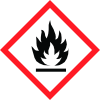


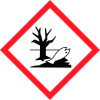
Note: Ingredients listed on restricted chemical lists
EC/CAS
108-88-3
Name of the chemical
Toluene
Concentration
30-35%
EC/CAS
108-10-1
Name of the chemical
4-methylpentan-2-one; isobutyl methyl ketone (MIBK)
Concentration
15-20% 5-10%
General Information
Revision date
2024-03-08
Product name
CHEMGLAZE 9986
1.2.1 Relevant identified uses
Catalyst
supplier name
Socomore
Emergency telephone
800 424-9300, 703 527-3887
Icons in SDS


Company Information
company name
Socomore
GHS Information
Signal word
DANGER
Hazard Codes
Hazard statements (CLP)
H225, H304, H315, H317, H319, H335, H336, H341, H351, H361, H362, H370, H372, H401, H411
Hazard statements
Code
Statements
H225
Highly Flammable liquid and vapour
Section 2
SECTION 2: Hazards identification
GHS CLASSIFICATION Flammable liquids Category 2 Skin corrosion/irritation Category 2 Serious eye damage/eye irritation Category 2A Skin sensitization Category 1 Germ cell mutagenicity Category 2 Carcinogenicity Category 2 Reproductive toxicity Category 2 Specific target organ systemic toxicity (single exposure) Category 3 Specific target organ systemic toxicity (single exposure) Category 1 Central nervous system, Kidney, Liver, Respiratory system Specific target organ systemic toxicity (repeated exposure) Category 2 Ears Specific target organ systemic toxicity (repeated exposure) Category 1 Immune system Aspiration hazard Category 1 Hazardous to the aquatic environment - acute hazard Category 2 Hazardous to the aquatic environment - chronic hazard Category 2
Signal word
DANGER
Hazard statements
Highly flammable liquid and vapor. Causes skin irritation. Causes serious eye irritation. May cause an allergic skin reaction. Suspected of causing genetic defects. 300000001431 Suspected of causing cancer. Suspected of damaging fertility or the unborn child. May cause harm to breast-fed children. May cause respiratory irritation. May cause drowsiness or dizziness. Causes damage to organs.(Central nervous system, Kidney, Liver, Respiratory system) May cause damage to organs through prolonged or repeated exposure.(Ears) Causes damage to organs through prolonged or repeated exposure.(Immune system) May be fatal if swallowed and enters airways. Toxic to aquatic life. Toxic to aquatic life with long lasting effects.
Prevention
Keep away from heat, sparks, open flames, hot surfaces. - No smoking. Ground, bond container and receiving equipment. Use explosion-proof electrical, ventilating, lighting equipment. Use only non-sparking tools. Take precautionary measures against static discharge. Obtain special instructions before use. Do not handle until all safety precautions have been read and understood. Wear protective gloves, protective clothing, eye protection, face protection. Use personal protective equipment as required. Do not breathe dust, fume, mist, vapors, spray. Wash thoroughly after handling. Do not eat, drink or smoke when using this product. Use only outdoors or in a well-ventilated area. Contaminated work clothing should not be allowed out of the workplace. Avoid release to the environment.
Response
In case of fire: refer to section 5 of SDS for extinguishing media. Call a POISON CENTER or doctor, physician if you feel unwell. IF exposed: Call a POISON CENTER or doctor, physician. Specific treatment (see supplemental first aid instructions on this label). IF INHALED: Remove to fresh air and keep at rest in a position comfortable for breathing. IF ON SKIN (or hair): Remove, take off immediately all contaminated clothing. Rinse skin with water, shower. If skin irritation or rash occurs: Get medical advice, attention. IF IN EYES: Rinse cautiously with water for several minutes. Remove contact lenses, if present and easy to do. Continue rinsing. IF SWALLOWED: Immediately call a POISON CENTER or doctor, physician. Do NOT induce vomiting. Collect spillage.
Storage
Store in a well-ventilated place. Keep cool. Store in a well-ventilated place. Keep container tightly closed. Store locked up.
Disposal
Dispose of contents/container in accordance with waste/disposal laws and regulations of your country or particular locality.
2.3 Other hazards
This product contains component(s) which have the following warnings; however based on the GHS classification criteria of your country or locale, the product mixture may be outside the respective category(s). Acute: Vapor harmful; may affect the brain or nervous system causing dizziness, headache or nausea. Possible irritation of the respiratory system can occur causing a variety of symptoms such as dryness of the throat, tightness of the chest, and shortness of breath. May cause central nervous system depression characterized by the following progressive steps: headache, dizziness, staggering gait, confusion, unconsciousness or coma. May be absorbed through the skin in harmful amounts.May be harmful if swallowed. Ingestion is not an expected route of entry in industrial or commercial uses. Chronic: May affect the gastrointestinal system. May affect the blood and blood-forming organs. IARC has designated Methyl isobutyl ketone to be in Group 2B - possibly carcinogenic to humans. Ethylbenzene has been classified by IARC as a possible human carcinogen (Group 2B) and reported by NTP to show clear evidence for carcinogenicity in animals.
2.1 Classification of the substance or mixture
Flammable liquids Category 2 Skin corrosion/irritation Category 2 Serious eye damage/eye irritation Category 2A Skin sensitization Category 1 Germ cell mutagenicity Category 2 Carcinogenicity Category 2 Reproductive toxicity Category 2 Specific target organ systemic toxicity (single exposure) Category 3 Specific target organ systemic toxicity (single exposure) Category 1 Central nervous system, Kidney, Liver, Respiratory system Specific target organ systemic toxicity (repeated exposure) Category 2 Ears Specific target organ systemic toxicity (repeated exposure) Category 1 Immune system Aspiration hazard Category 1 Hazardous to the aquatic environment - acute hazard Category 2 Hazardous to the aquatic environment - chronic hazard Category 2



