



Note: Ingredients listed on restricted chemical lists
EC/CAS
64742-95-6
Name of the chemical
Solvent naphtha (petroleum), light arom
Concentration
30 - 40
EC/CAS
1314-13-2
Name of the chemical
Zinc oxide; C.I. 77947
Concentration
2 - 10
EC/CAS
13463-67-7
Name of the chemical
Reaction mass of titanium dioxide and silver chloride
Concentration
2 - 10
EC/CAS
14807-96-6
Name of the chemical
Talc
Concentration
2 - 10
General Information
Revision date
2018-04-26
Product name
PRO PRIMER SB
Emergency telephone
800-424-9300
Icons in SDS


Company Information
company name
Siplast
GHS Information
Signal word
Danger
Section 2
SECTION 2: Hazards identification
GHS Classification NFPA and HMIS RATINGS: NFPA Hazard HMIS Hazard Rating Rating Health Flammable Reactive 3 Health 3 3 Flammable 3 0 Reactive 0 Special Hazards - Personal Protection X
2.1 Classification of the substance or mixture
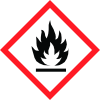
Flammable Liquid - Category 2 Eye Irritant - Category 2A Skin Irritant - Category 2 Aspiration Toxicity - Category 1 Target Organ (SE) - Category 3 Target Organ (RE) - Category 2 Reproductive Toxicity - Category 2 Hazardous to the Aquatic Environment (chronic) - Category 2
Signal word
Danger
Hazard statements
Flammable liquid and vapor May cause damage to organs through prolonged or repeated exposure May cause respiratory irritation May cause cancer May cause genetic defects Causes skin irritation Harmful if inhaled Causes serious eye irritation May be fatal if swallowed or enters airways May cause drossiness or dizziness Suspected of damaging fertility or the unborn child Toxic to aquatic life with long lasting effects ADDITIONAL HAZARD IDENTIFICATION INFORMATION
Principle Routes of Exposure
SIGNS & SYMPTOMS OF EXPOSURE EYES Eye contact, Skin contact, Skin absorption, Inhalation This material is an eye irritant. Contact with the liquid or exposure to mist or vapor may cause stinging, redness and swelling. SKIN This material may cause mild skin irritation. Prolonged contact may cause redness, burning and drying or cracking of the skin. Skin absorption may produce systemic toxicity. INGESTION Harmful or fatal if swallowed and/or vomiting occurs. Can enter lungs and cause damage. This material can enter lungs during swallowing or vomiting and cause lung inflammation and damage. INHALATION High concentrations of vapor or mist may cause irritation of the nose and throat and signs of nervous system depression. Can cause headaches, drowsiness, dizziness, and loss of coordination. May affect liver and kidney function. Could also cause damage to the respiratory system and have myocardial effects.
Acute Health Hazards
Excessive exposure can cause pulmonary edema.
Health hazards
None known. CARCINOGENICITY IARC has determined that occupational exposure to Titanium Dioxide is possibly carcinogenic to humans (Group 2B). IARC concluded lung tumors were observed in rats following high dose exposure by inhalation and in female rats exposed by intra-tracheal instillation. Other studies have shown no tumors in rats following inhalation exposure and no tumors in mice or rats following oral exposure.



