

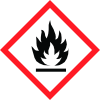


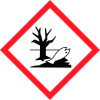
Note: Ingredients listed on restricted chemical lists
EC/CAS
64742-49-0
Name of the chemical
Naphtha (petroleum), hydrotreated light
Concentration
N/A
General Information
Revision date
2020-05-20
Product name
Heptane
Product Synonyms
Hydrocarbons, C7, n-alkanes, isoalkanes, cyclics
CAS No.
64742-49-0
REACH No
01-2119475515-33-0002
1.2.1 Relevant identified uses
Industrial Solvent
Emergency telephone
+44 (0) 1235 239 670
Icons in SDS
Company Information
company name
Shell (Switzerland)
e-mail address of the competent person responsible for the Safety Data Sheet
sccmsds@shell.com
GHS Information
Signal word
Danger
Hazard Codes
Hazard statements (CLP)
H225, H304, H315, H336, H411
Hazard statements
Code
Statements
H225
Highly Flammable liquid and vapour
Section 2
CLP CLASSIFICATION
Flammable liquids, Category 2 H225: Highly flammable liquid and vapour. Aspiration hazard, Category 1 H304: May be fatal if swallowed and enters airways. Skin irritation, Category 2 H315: Causes skin irritation. Specific target organ toxicity - single H336: May cause drowsiness or dizziness. exposure, Category 3, Narcotic effects Long-term (chronic) aquatic hazard, H411: Toxic to aquatic life with long lasting effects. Category 2 1 / 122
2.2 Label elements
REGULATION (EC) No 1272/2008)
Signal word
Danger
Physical hazards
H225 Highly flammable liquid and vapour.
Health hazards
H304 May be fatal if swallowed and enters airways. H315 Causes skin irritation. H336 May cause drowsiness or dizziness.
Environmental hazards
H411 Toxic to aquatic life with long lasting effects.
Prevention
P210 Keep away from heat, hot surfaces, sparks, open flames and other ignition sources. No smoking. P243 Take action to prevent static discharges. P261 Avoid breathing dust/ fume/ gas/ mist/ vapours/ spray.
Response
P301 + P310 IF SWALLOWED: Immediately call a POISON CENTER/ doctor. P331 Do NOT induce vomiting.
Storage
No precautionary phrases.
Disposal
P501 Dispose of contents and container to appropriate waste site or reclaimer in accordance with local and national regulations.
2.3 Other hazards
The substance does not fulfill all screening criteria for persistence, bioaccumulation and toxicity and hence is not considered to be PBT or vPvB. May form flammable/explosive vapour-air mixture. This material is a static accumulator. Even with proper grounding and bonding, this material can still accumulate an electrostatic charge. If sufficient charge is allowed to accumulate, electrostatic discharge and ignition of flammable air- vapour mixtures can occur. Possibility of organ or organ system damage from prolonged exposure; see Section 11 for details. Target organ(s): 2 / 122 Auditory system



