



Note: Ingredients listed on restricted chemical lists
EC/CAS
106-99-0
Name of the chemical
1,3-Butadien
Concentration
>=0.1-<=1
EC/CAS
75-28-5
Name of the chemical
iso-Butan, enthält 0,1% Butadien
Concentration
<=40
General Information
Version
3.1
Revision date
2020-11-13
Product name
MIXED C4
1.2.1 Relevant identified uses
Base chemical., Raw material for use in the chemical industry
supplier name
SHELL EASTERN CHEMICALS (S) A REGISTERED BUSINESS OF SHELL EASTERN
Emergency telephone
+65 6384 8737, +65 6384 8454, +86-532-83889090
Icons in SDS


Company Information
company name
SHELL EASTERN CHEMICALS (S)
e-mail address of the competent person responsible for the Safety Data Sheet
sccmsds@shell.com
GHS Information
Signal word
Danger
Hazard Codes
Hazard statements (CLP)
H220, H280, H340, H350
Hazard statements
Code
Statements
H220
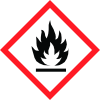
Extremely flammable gas
Section 2
SECTION 2: Hazards identification
GHS Classification Emergency Overview Appearance Clear liquid under pressure. Colour colourless Odour Hydrocarbon
Health hazards
May cause heritable genetic damage May cause cancer. Safety Hazards Extremely flammable gas.Contains gas under pressure; may explode if heated. H340 May cause genetic defects H350 May cause cancer Inhalation: Vapours may cause drowsiness and dizziness. Slightly irritating to respiratory system. Skin: Exposure to rapidly expanding gases may cause frost burns to eyes and/or skin. Eyes: Exposure to rapidly expanding gases may cause frost burns to eyes and/or skin. Ingestion: No specific hazards under normal use conditions.
Environmental hazards
Not classified as dangerous for the environment. GHS Classification Flammable gases Category 1 Gases under pressure Liquefied gas Germ cell mutagenicity Category 1B Carcinogenicity Category 1A GHS label elements Hazard pictograms Not classified as an environmental hazard under GHS criteria Not classified as dangerous for the environment.
Signal word
Danger Hazard statements
Physical hazards
H220 Extremely flammable gas H280 Contains gas under pressure; may explode if heated
Prevention
P201 Obtain special instructions before use. P202 Do not handle until all safety precautions have been read and understood. P210 Keep away from heat/ sparks/ open flames/ hot surfaces. No smoking. P243 Take precautionary measures against static discharge. P280 Wear protective gloves/ protective clothing/ eye protection/ face protection.
Response
P377 Leaking gas fire: Do not extinguish, unless leak can be stopped safely. P381 Eliminate all ignition sources if safe to do so. P308 + P313 IF exposed or concerned: Get medical advice/ attention.
Storage
P410 + P403 Protect from sunlight. Store in a well-ventilated place. P405 Store locked up.
Disposal
P501 Dispose of contents and container to appropriate waste site or reclaimer in accordance with local and national regulations.
Other hazards which do not result in classification
Vapours may cause drowsiness and dizziness.Slightly irritating to respiratory system.Exposure to rapidly expanding gases may cause frost burns to eyes and/or skin.Vapours may be irritating to the eye.Possibility of organ or organ system damage from prolonged exposure; see Section 11 for details. Target organ(s):Blood forming organsReproductive system.This material is a static accumulator.Even with proper grounding and bonding, this material can still accumulate an electrostatic charge.If sufficient charge is allowed to accumulate, electrostatic discharge and ignition of flammable air-vapour mixtures can occur.Highly reactive.May form explosive peroxides.The vapour is heavier than air, spreads along the ground and distant ignition is possible.May form flammable/explosive vapour-air mixture.
Other physicochemical hazards
Extremely flammable gas. May form flammable/explosive vapour-air mixture. May form explosive peroxides.
2.1 Classification of the substance or mixture
Flammable gases : Category 1 Gases under pressure : Liquefied gas Germ cell mutagenicity : Category 1B Carcinogenicity



