

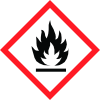
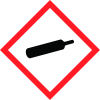

Note: Ingredients listed on restricted chemical lists
EC/CAS
74-85-1
Name of the chemical
Ethen; Ethylen
Concentration
>= 99.9
General Information
Version
15.8
Revision date
2025-12-01
Product name
Ethylene
CAS No.
74-85-1
1.2.1 Relevant identified uses
Base chemical
Emergency telephone
1-800-240-6737, 1-855-697-4355
Icons in SDS


Company Information
company name
Shell Chemical LP
GHS Information
Signal word
Danger
Hazard Codes
Hazard statements (CLP)
H220, H280, H336
Hazard statements
Code
Statements
H220
Extremely flammable gas
Section 2
SECTION 2: Hazards identification
Signal word
Danger
Physical hazards
H220 Extremely flammable gas H280 Contains gas under pressure; may explode if heated
Health hazards
H336 May cause drowsiness or dizziness
Environmental hazards
Not classified as an environmental hazard under GHS criteria
Prevention
P210 Keep away from heat, hot surfaces, sparks, open flames and other ignition sources. No smoking. P243 Take action to prevent static discharges. P261 Avoid breathing dust/ fume/ gas/ mist/ vapours/ spray. P271 Use only outdoors or in a well-ventilated area. Contaminated work clothing should not be allowed out of the workplace.
Response
P304 + P340 IF INHALED: Remove person to fresh air and keep comfortable for breathing. P312 Call a POISON CENTER/ doctor if you feel unwell. P377 Leaking gas fire: Do not extinguish, unless leak can be stopped safely. P381 In case of leakage, eliminate all ignition sources.
Storage
P403 + P233 Store in a well-ventilated place. Keep container tightly closed. P405 Store locked up. P410 Protect from sunlight.
Disposal
P501 Dispose of contents/ container to an approved waste dis- posal plant.
Other hazards which do not result in classification
May form flammable/explosive vapour-air mixture. This material is a static accumulator. Even with proper grounding and bonding, this material can still accumulate an electrostatic charge. If sufficient charge is allowed to accumulate, electrostatic discharge and ignition of flammable air- vapour mixtures can occur. This material is shipped under pressure. High gas concentrations will displace available air; unconsciousness and death may occur sud- denly from lack of oxygen. Rapid release of gases which are liquids under pressure may cause frost burns of exposed tis- sues (skin, eye) due to evaporative cooling.
2.1 Classification of the substance or mixture
1910.1200) Flammable gases : Category 1A Gases under pressure : Compressed gas Specific target organ toxicity : Category 3 - single exposure



