


Note: Ingredients listed on restricted chemical lists
General Information
Version
4.1
Revision date
2024-10-09
Product name
IPA
CAS No.
67-63-0
1.2.1 Relevant identified uses
Industrial Solvent
1.2.2. Uses advised against
Advice in this document relates only to product as originally supplied. Other derivative chemicals will have different proper- ties and hazards. Advice should be sought on their safe han- dling and use
Emergency telephone
4970-7391 / 4970, (+54 911) 4970-7391
Icons in SDS


Company Information
company name
Shell CAPSA
GHS Information
Signal word
Danger
Hazard Codes
Hazard statements (CLP)
H225, H319, H336
Hazard statements
Code
Statements
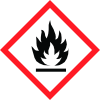
H225
Highly Flammable liquid and vapour
Section 2
SECTION 2: Hazards identification
GHS Classification GHS Classification Flammable liquids Category 2 Eye irritation Category 2A Specific target organ toxicity - single exposure (Inhalation, Oral) Category 3 (Narcotic effects)
Signal word
Danger
Physical hazards
H225 Highly flammable liquid and vapour
Health hazards
H319 Causes serious eye irritation H336 May cause drowsiness or dizziness
Environmental hazards
Not classified as an environmental hazard under GHS criteria
Prevention
P210 Keep away from heat, hot surfaces, sparks, open flames and other ignition sources. No smoking. P240 Ground and bond container and receiving equipment. P241 Use explosion-proof electrical/ ventilating/ lighting equip- ment. P242 Use non-sparking tools. P243 Take action to prevent static discharges. P261 Avoid breathing mist or vapours. P264 Wash hands thoroughly after handling. P271 Use only outdoors or in a well-ventilated area. P280 Wear protective gloves/ protective clothing/ eye protec- tion/ face protection.
Response
P303 + P361 + P353 IF ON SKIN (or hair): Take off immediate- ly all contaminated clothing. Rinse skin with water or shower. P370 + P378 In case of fire: Use appropriate media to extin- guish. P305 + P351 + P338 IF IN EYES: Rinse cautiously with water for several minutes. Remove contact lenses, if present and easy to do. Continue rinsing. P337 + P313 If eye irritation persists: Get medical advice/ at- tention. P304 + P340 IF INHALED: Remove person to fresh air and keep comfortable for breathing. P312 Call a POISON CENTER/ doctor if you feel unwell.
Storage
P403 + P233 Store in a well-ventilated place. Keep container tightly closed. P235 Keep cool. P405 Store locked up.
Disposal
P501 Dispose of contents and container to appropriate waste site or reclaimer in accordance with local and national regula- tions.
Other hazards which do not result in classification
Vapours are heavier than air. Vapours may travel across the ground and reach remote ignition sources causing a flashback fire danger. Even with proper grounding and bonding, this material can still accumulate an electrostatic charge. If sufficient charge is allowed to accumulate, electrostatic discharge and ignition of flammable air- vapour mixtures can occur. Slightly irritating to respiratory system.
2.1 Classification of the substance or mixture
Flammable liquids : Category 2 Eye irritation : Category 2A Specific target organ toxicity - : Category 3 (Narcotic effects) single exposure (Inhalation, Oral)



