



Note: Ingredients listed on restricted chemical lists
EC/CAS
7439-92-1
Name of the chemical
Blei, massiv: [Partikeldurchmesser ≥ 1 mm]
Concentration
N/A
Listed in
EC/CAS
1309-60-0
Name of the chemical
Lead peroxide
Concentration
N/A
EC/CAS
7446-14-2
Name of the chemical
Lead sulphate
Concentration
N/A
General Information
Revision date
2023-02-23
Product name
DNT, LBT, MRX/MRXF, MPS, TEL, TFA/FG/FGC, CPS, CPHS, DCS, MSE, SHC series batteries
Manufacturer Name
Shanghai C&D Battery Co., Ltd
Emergency telephone
+61 3 9588 1888
Icons in SDS


Company Information
company name
Shanghai C&D Battery Co., Ltd
e-mail address of the competent person responsible for the Safety Data Sheet
inquiry@yhipower.com.au
GHS Information
Signal word
Danger
Hazard Codes
Hazard statements (CLP)
H203, H302, H314, H335, H361, H411
Hazard statements
Code
Statements
H203
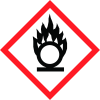
Explosive; fire, blast or projection hazard
H302
Harmful if swallowed
H314
Causes severe skin burns and eye damage.
H335
May cause respiratory irritation
H361
Suspected of damaging fertility or the unborn child
H411
Toxic to aquatic life with long lasting effects
Section 2
SECTION 2: Hazards identification
No health effects during normal use of this product. Hazardous may occur when the product is heated, oxidized or otherwise processed, damaged or subjected to misuse. Please follow manufacturer’s instructions for installation, service use.
Potential health effects
GHS code Hazard class/category
Hazard statements
Labels H302 Acute Toxicity Category 4 Harmful if (Oral) swallowed H314 Skin corrosion Category 1A Causes severe skin burns and eye damage H335 Specific target Category 3 Might cause organ toxicity, respiratory irritation single exposure, Respiratory tract irritation H361 Reproductive Category 2 Suspected damaging toxicity of fertility or the unborn child 2.2 Environment effect GHS code Hazard class/category Labels H 411 Hazardous to the Category 2 Toxicity to aquatic aquatic life with long Labels H203 Explosives Division 1.3 Explosive; fire, blast or projection hazard 2.4 hazardous display Hazardous Routes of entry
Environmental hazards
lasting effect acute hazard 2.3 Physical effect Under abnormal use in not ventilated rooms may form explosive air/gas mixture during charging or when extreme overcharging / Extremely flammable gas (hydrogen) / Explosive, fire, blast or projection hazard. GHS code Hazard class/category
Health hazards
material Sulfuric Acid Inhalation, skin, Acute sulfuric acid exposure may Chronic exposure to sulfuric acid ingestion. cause irritation of the skin, corneal may cause scarring of skin and damage of the eyes, irritation of mucous membranes, bronchitis, the mucous membranes and upper contact dermatitis, and erosion of respiratory system, including the tooth enamel. lungs. Lead Inhalation and Acute lead exposure may cause GI Chronic exposure to lead may Ingestion. upset, loss of appetite, diarrhea, cause anemia, kidney damage Metallic lead cannot constipation, fatigue, joint pain, and damage to the central be absorbed and difficulty sleeping. nervous and reproductive through the skin. systems. Lead exposure may also affect developing fetuses in pregnant women.


