



Note: Ingredients listed on restricted chemical lists
EC/CAS
64742-95-6
Name of the chemical
Solvent naphtha (petroleum), light arom
Concentration
N/A
EC/CAS
98-82-8
Name of the chemical
Cumol (2022/692)
Concentration
N/A
EC/CAS
265-199-0
Name of the chemical
Solvent naphtha (petroleum), light arom
Concentration
N/A
EC/CAS
202-704-5
Name of the chemical
Cumol (2022/692)
Concentration
N/A
General Information
Revision date
2015-07-14
Product name
Rust Bullet Solvent
1.2.1 Relevant identified uses
CHEMICAL SHIPPING NAME/CLASS Non-Hazardous for less than Bulk Shipment via Road or Rail within U.S Petroleum Distillates, n.o.s., Class 3, PGIII DOT Marine Pollutants: This product does not contain marine pollutants as defined in 49CFR171.8
Manufacturer Name
Rust Bullet LLC
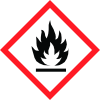
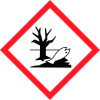
Icons in SDS
Company Information
company name
Rust Bullet LLC
GHS Information
Signal word
Danger
Hazard Codes
Hazard statements (CLP)
H226, H304, H312, H315, H319, H332, H335, H350, H411
Hazard statements
Code
Statements
H226
Flammable liquid and vapour
Section 2
HMIS® ratings
SYSTEM FLAMMABILITY
2.1 Classification of the substance or mixture
HAZARDOUS MATERIAL IDENTIFICATION SYSTEM Carcinogen Category 1B
Health hazards
BLUE) 2 Flammable Liquid Category 3
Aspiration hazard
Category 1 FLAMMABILITY (RED) 2 Eye Irritant Category 2 2 0 HEALTH REACTIVITY Acute Inhalation Toxicity category 4 (YELLOW) 0 -- Skin Irritant Category 2 PROTECTIVE EQUIPMENT STOT SE Category 3 EYES RESPIRATORY HANDS BODY Chronic Aquatic Toxicity Category 2 SEE SECTION 8
2.2 Label elements
Handling Applications For Routine Industrial Use and OTHER
Signal word
Danger Scale: 0 = Minimal 1 = Slight 2 = Moderate 3 = Serious 4 = Severe * = Chronic hazard Supplier Identification: Rust Bullet® LLC 300 Brinkby Avenue; Suite 200 Reno NV 89509 Phone: 775-829-5606
Hazard statements
H226 Flammable Liquid and Vapor H304 May be fatal if swallowed and enters airways H332 Harmful if inhaled H350 May cause cancer H319 Causes serious eye irritation H335 May cause respiratory irritation H315 Causes skin irritation H312 Harmful in contact with skin H411 Toxic to aquatic life with long lasting effects
Prevention
P210 Keep away from heat/sparks/open flame/hot surfaces – No Smoking. P242 Use only non-sparking tools. P243 Take precautionary measures against static discharge. P261 Avoid breathing dust/fume/gas/mist/vapors/spray. P271 Use only in well ventilated areas. P280 Wear protective gloves/protective clothing/eye protection/face protection.
Response
P363 Wash contaminated clothing before reuse. P301+P310 IF SWALLOWED: Immediately call a POISON CENTER or Doctor/Physician. P333 + P313 IF skin irritation or rash occurs: Get medical advice/attention. HEALTH EFFECTS OR RISKS FROM EXPOSURE: ACUTE: INHALATION: Breathing of vapor or mist is possible. Breathing small amounts of this material during normal handling is not likely to cause harmful effects. Breathing large amounts may be harmful. INGESTION: Swallowing small amounts of this material during normal handling is not likely to cause harmful effects. Swallowing large amounts may be harmful. This material can get into the lungs during swallowing or vomiting. This results in lung inflammation and other lung injury. SKIN CONTACT: May cause mild skin irritation. Symptoms may include redness and burning of skin. Prolonged or repeated contact may dry the skin. Symptoms may include redness, burning, and drying and cracking of skin, skin burns, and other skin damage. EYE CONTACT: May cause mild eye irritation. Symptoms include stinging, tearing, and redness.
Medical Conditions Generally Aggravated by Exposure
Pre-existing disorders of the following organs (or organ systems) may be aggravated by exposure to this material , Skin, lung (for example, asthma-like conditions), Liver, Kidney, blood-forming system, immune system, auditory system, eye, Individuals with preexisting heart disorders maybe more susceptible to arrhythmias (irregular heartbeats) if exposed to high concentrations of this material. CHRONIC: This product does contain an ingredient(s) designated by IARC, NTP, ACGIH, OSHA or European Chemical Commission as probable or suspected human carcinogens.



