


Note: Ingredients listed on restricted chemical lists
EC/CAS
7440-02-0
Name of the chemical
Nickel
Concentration
N/A
EC/CAS
141-78-6
Name of the chemical
acetic acid, ethyl ester
Concentration
N/A
EC/CAS
123-86-4
Name of the chemical
acetic acid, butyl ester
Concentration
N/A
General Information
Revision date
2020-07-13
Product name
AEROSOLS
Product Synonyms
Nickel Screening Compound Plus 725-9987 (AUS)
1.2.1 Relevant identified uses
Application is by spray atomisation from a hand held aerosol pack
Emergency telephone
CHEMWATCH EMERGENCY RESPONSE
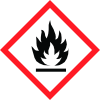
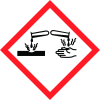
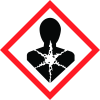
Icons in SDS


Company Information
company name
RS Components
GHS Information
Signal word
Danger
Hazard Codes
Hazard statements (CLP)
H222, H304, H315, H317, H318, H336, H351, H372, H413
Hazard statements
Code
Statements
H222
Extremely flammable aerosol
Section 2
2.1 Classification of the substance or mixture
HAZARDOUS CHEMICAL. DANGEROUS GOODS. According to the WHS Regulations and the ADG Code. ChemWatch Hazard Ratings Min Max Flammability 3 Toxicity 1 0 = Minimum Body Contact 3 1 = Low Reactivity 1 2 = Moderate 3 = High Chronic 2 4 = Extreme Poisons Schedule Not Applicable Flammable Aerosols Category 1, Skin Corrosion/Irritation Category 2, Serious Eye Damage Category 1, Skin Sensitizer Category 1, [1] Carcinogenicity Category 2, Specific target organ toxicity - single exposure Category 3 (narcotic effects), Specific target organ toxicity - repeated exposure Category 1, Aspiration Hazard Category 1, Chronic Aquatic Hazard Category 4 Legend: 1. Classified by Chemwatch; 2. Classification drawn from HCIS; 3. Classification drawn from Regulation (EU) No 1272/2008 - Annex VI
Signal word
Danger
Hazard statements
H222 Extremely flammable aerosol. H315 Causes skin irritation. H318 Causes serious eye damage. H317 May cause an allergic skin reaction. H351 Suspected of causing cancer. H336 May cause drowsiness or dizziness. H372 Causes damage to organs through prolonged or repeated exposure. H304 May be fatal if swallowed and enters airways. H413 May cause long lasting harmful effects to aquatic life. AUH044 Risk of explosion if heated under confinement.
Prevention
P201 Obtain special instructions before use. P210 Keep away from heat/sparks/open flames/hot surfaces. - No smoking. P211 Do not spray on an open flame or other ignition source. P251 Pressurized container: Do not pierce or burn, even after use.
Response
P301+P310 IF SWALLOWED: Immediately call a POISON CENTER or doctor/physician. P305+P351+P338 IF IN EYES: Rinse cautiously with water for several minutes. Remove contact lenses, if present and easy to do. Continue rinsing. P308+P313 IF exposed or concerned: Get medical advice/attention. P321 Specific treatment (see advice on this label).
Storage
P405 Store locked up. P410+P412 Protect from sunlight. Do not expose to temperatures exceeding 50 °C/122 °F. P403+P233 Store in a well-ventilated place. Keep container tightly closed.
Disposal
P501 Dispose of contents/container to authorised hazardous or special waste collection point in accordance with any local regulation.



